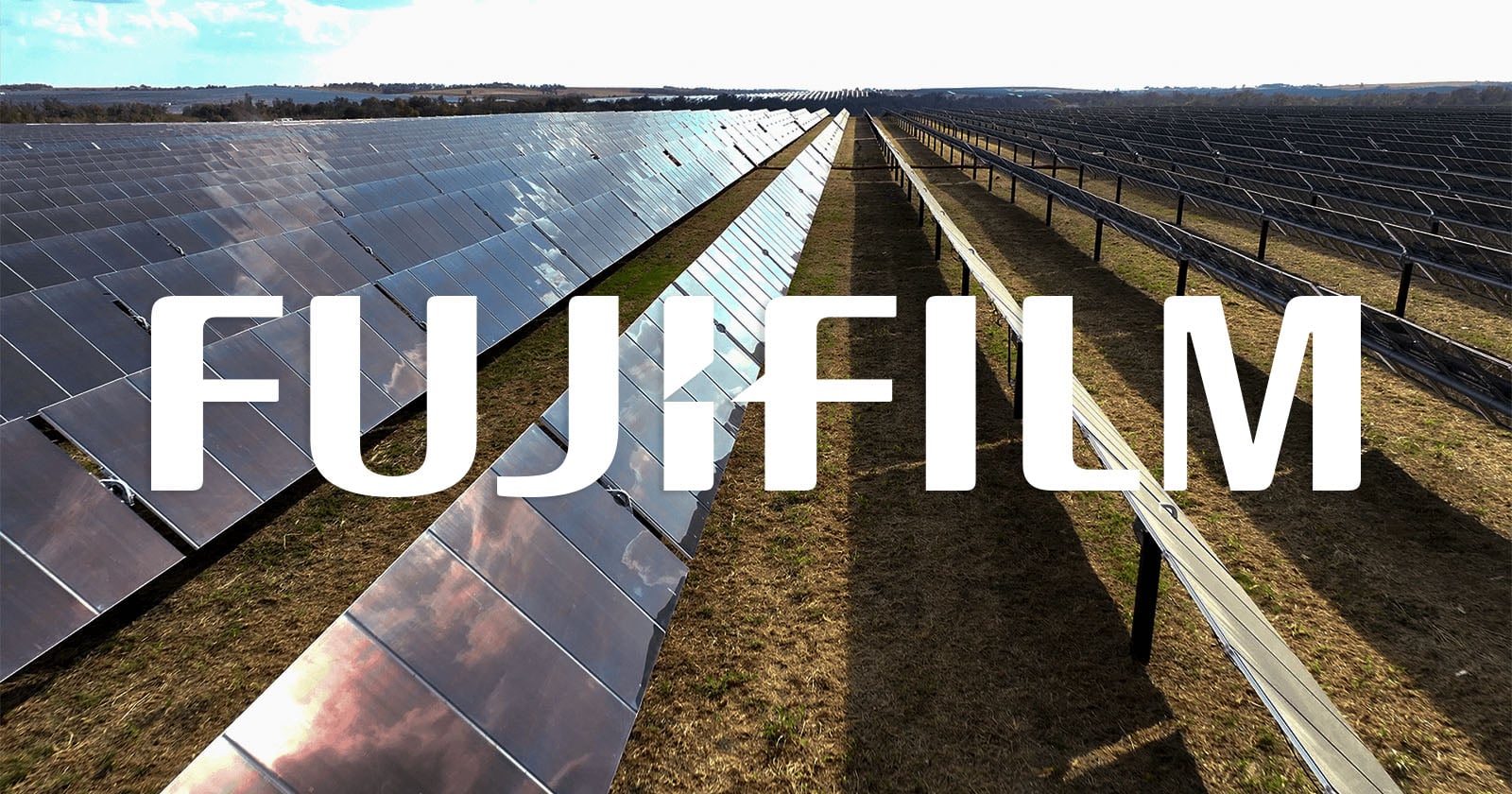
Fujifilm’s recent announcement to offset 100% of its electricity usage in the United States and Canada with renewable energy certificates (RECs) from a new solar project in Texas is a notable step in the company’s commitment to sustainability. In an era where environmental responsibility is becoming increasingly paramount, this initiative not only aligns with global efforts to combat climate change but also positions Fujifilm as a leader in corporate responsibility within the tech and imaging sectors. Such actions resonate particularly well with audiences who are not only health-conscious but also environmentally aware, creating a compelling narrative that intertwines technology, artistry, and ecological stewardship.
The decision to utilize renewable energy sources is more than just a marketing strategy; it signals a deeper understanding of the interconnectedness of creativity and sustainability. As consumers become more selective about the brands they support, initiatives like Fujifilm’s will likely foster loyalty among a demographic that values authenticity and environmental integrity. This aligns seamlessly with discussions in our community about platforms that emphasize creative expression while also being conscious of their ecological footprints. For instance, the exploration of building a Flickr replacement highlights how digital spaces can also prioritize sustainability in their operations.
Furthermore, Fujifilm’s commitment to renewable energy reflects a growing industry trend where brands are increasingly held accountable for their environmental impact. This shift is crucial not only for the planet but also for the longevity of companies in a competitive market. Brands that embrace sustainability are not just responding to consumer demand; they are actively shaping the dialogue around what it means to be a responsible business in today’s world. This development echoes sentiments found in conversations about the nostalgia of traditional photography, as seen in our piece on the experiences of those who developed photos for the public. Just as photographers have historically captured moments that matter, companies can now capture the essence of responsible innovation.
As we look ahead, Fujifilm’s initiative raises important questions about the future of corporate responsibility in the creative industries. How will other companies respond to this challenge? Will we see a ripple effect across the imaging and technology sectors, pushing more brands to adopt similar sustainability practices? The answer to these questions could define the next chapter of business practices, especially in fields where artistry and technology converge. As consumers, we have the power to drive this change by supporting brands that prioritize not only their products but also their impact on the world.
In conclusion, Fujifilm’s move to offset its electricity usage with renewable energy is a commendable stride toward a more sustainable future. It invites us to reconsider our choices as consumers and advocates for a world where artistry and environmental consciousness coexist harmoniously. As we celebrate these advancements, we must remain vigilant and encourage other brands to follow suit, ensuring that our collective pursuit of creativity does not come at the expense of the planet. The journey toward a greener future is just beginning, and it will be fascinating to observe how this commitment evolves and inspires others within the industry.