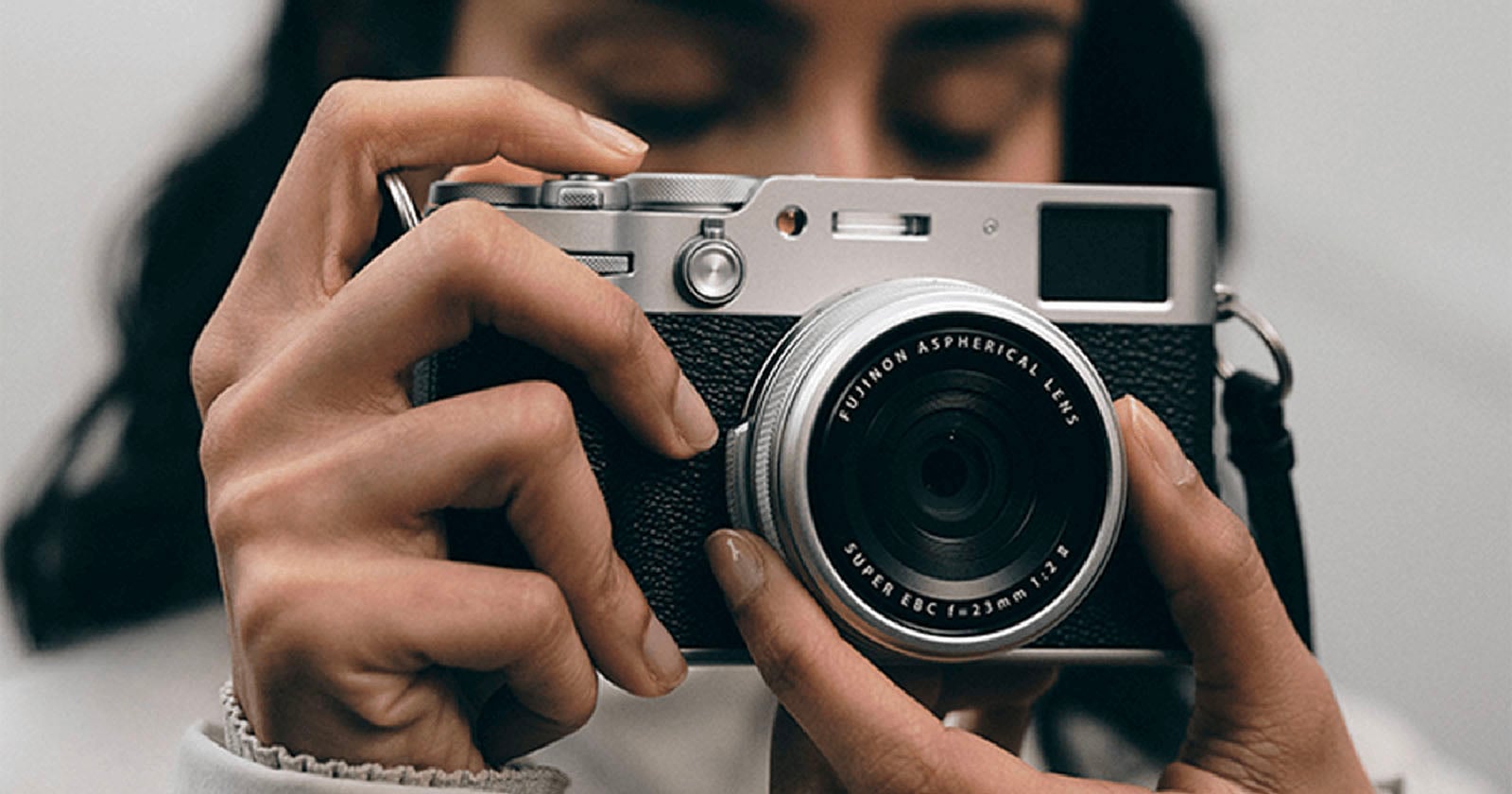
## Our Take: Fujifilm's Ascent – A New Wave of Female Photographers Leads the Way
The recent surge in Fujifilm’s camera sales, propelling them into the top three global manufacturers, is a compelling story. While market complexities always warrant a nuanced perspective, the core narrative – Fujifilm’s resurgence – is undeniable. Nikkei's observation that women are a significant driver of this success resonates deeply with a broader shift in the photography landscape. It’s not merely about increased shipments; it's about a renewed appreciation for the tactile, artistic experience that Fujifilm cameras, particularly their retro-inspired designs and exceptional image quality, offer. This is a moment to celebrate not just a brand's triumph, but the evolving tastes and creative priorities of a new generation of photographers.
For years, the camera market has been dominated by a focus on technical specifications and increasingly complex systems. Fujifilm, however, has carved a unique niche by prioritizing a blend of classic aesthetics, intuitive handling, and a dedication to producing beautiful images. Their X-series, in particular, captures a distinctive appeal, and it’s no surprise that it’s finding favor with a demographic often overlooked in traditional marketing campaigns. This isn't about abandoning technological advancement; it's about integrating it seamlessly within a framework that emphasizes the joy of creation and the tangible connection between photographer and tool. The allure is clear: a camera that feels as good in the hand as the images it produces.
The rise of female photographers isn’t a sudden phenomenon, but Fujifilm’s success highlights their growing influence and distinct aesthetic preferences. Women are often drawn to storytelling, capturing moments of genuine connection, and showcasing the beauty in everyday life. Fujifilm’s cameras, with their ability to deliver both stunning detail and a unique film-like quality, provide a perfect platform for this expressive approach. This isn't about defining photography by gender, but rather acknowledging the diverse perspectives and creative visions that are shaping the future of the medium. It’s a vibrant, authentic shift, and Fujifilm is positioned perfectly to capitalize on it.
Ultimately, Fujifilm’s ascent is a testament to the power of understanding and responding to evolving consumer desires. They've curated an experience that speaks to a longing for tangible artistry and a rejection of the purely digital, and this resonates powerfully with a generation seeking authenticity and self-expression. The story isn’t just about Fujifilm’s success; it's a reflection of a broader cultural trend – a return to craftsmanship, a celebration of beauty, and a vibrant new wave of creative voices shaping the world of photography.