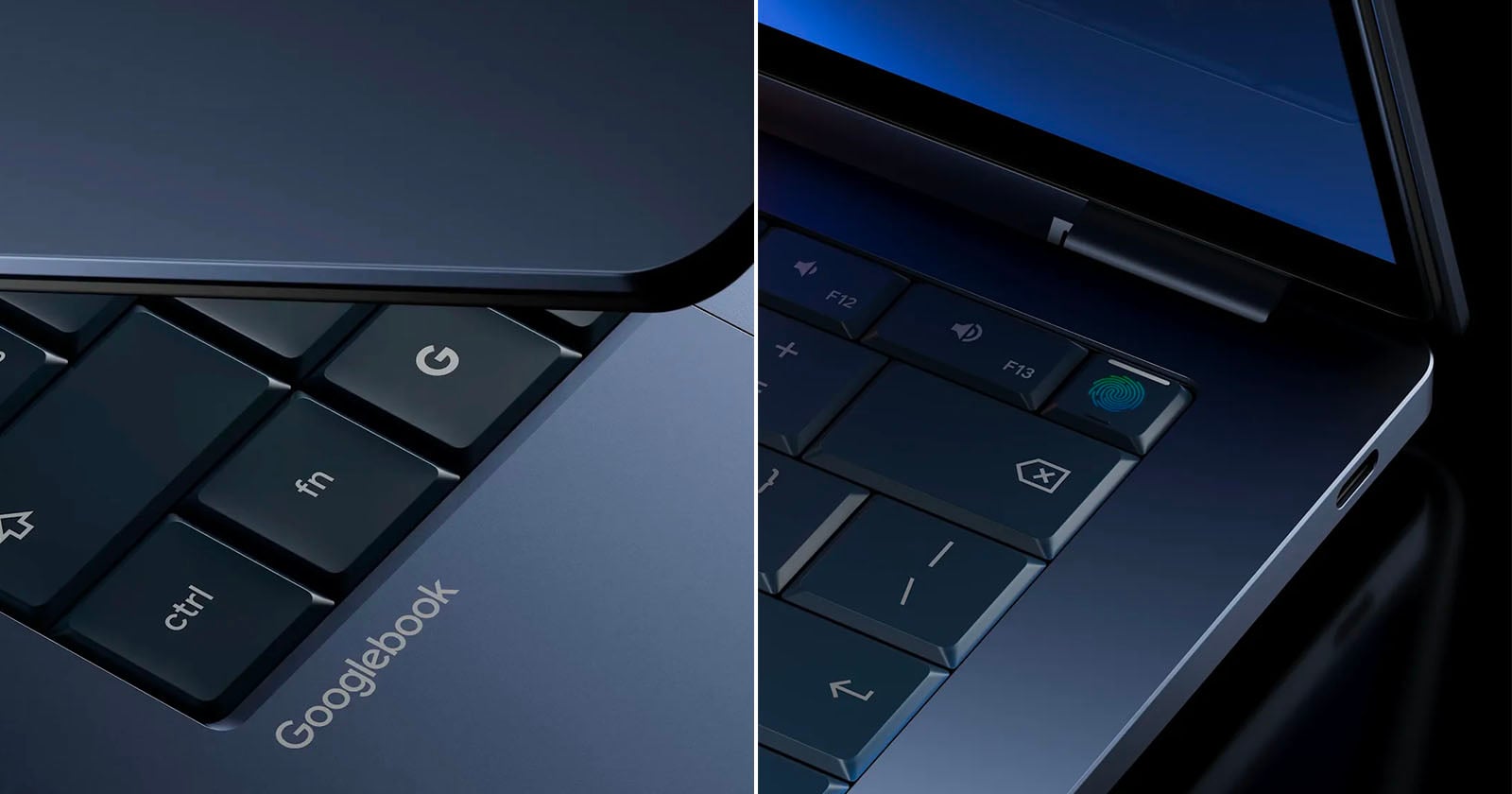
The announcement of Qualcomm and Google joining forces to power a new generation of Googlebook laptops with the Snapdragon X Elite is the kind of news we live for. It is not merely about faster processors or longer battery life, though those are welcome. This is a statement about convergence, about the quiet dissolving of boundaries between our devices. For our readers, who move between the creative studio and the yoga studio with the same intentionality, this partnership feels less like a product launch and more like a curated response to a lifestyle that refuses to be compartmentalized. The promise of Gemini Intelligence baked directly into the hardware is the hook, but the real story is how this shapes our daily rhythm.
We have always believed that technology should serve the aesthetic, not the other way around. The Googlebook, with its fingerprint sensor nestled into the power key, already speaks to a design language we appreciate: functional, secure, and understated. But the practical magic here is in the connectivity with Android. Imagine finishing a photo edit on your laptop, then seamlessly picking up the conversation on your phone without a second thought. That is the immersive experience our audience craves. It is about flow, about removing the friction that breaks our creative concentration. For the health-conscious among us, this could mean your meticulously tracked workout data from your wearable syncs effortlessly for a deeper dive into your recovery, all within an ecosystem that feels cohesive rather than cobbled together.
Our honest take is that this is a significant step toward a more authentic digital life. We have grown weary of the generic, overly technical jargon that often plagues tech announcements. This feels different. By embedding Gemini Intelligence at the silicon level, Qualcomm and Google are acknowledging that our tools should anticipate our needs, not just react to our commands. It is an aspirational move, but one grounded in the tangible reality of how we work and play. If a reader asked us whether this is worth their attention, we would say this: watch how this integration handles your most demanding creative apps while maintaining that vibrant, responsive feel. The true test is not the spec sheet, but whether the device fades into the background of your day, allowing your own artistry and energy to take center stage.
The open question that lingers is how this will influence the broader ecosystem of accessories and apps. Will we see a new wave of peripherals designed specifically for this AI-driven workflow? The detail to watch is the depth of the Android integration. If it is as intuitive as we hope, this could redefine what we expect from a premium laptop. We would tell our readers to look for the moments where this device makes the complex feel simple, where the technology becomes an authentic extension of their own curated world. That is the benchmark. That is the concrete point we are watching as this story unfolds.