Google Pixel 11 Pro Fold’s Cameras Aren’t As Good as the Base Pixel 11
Our take
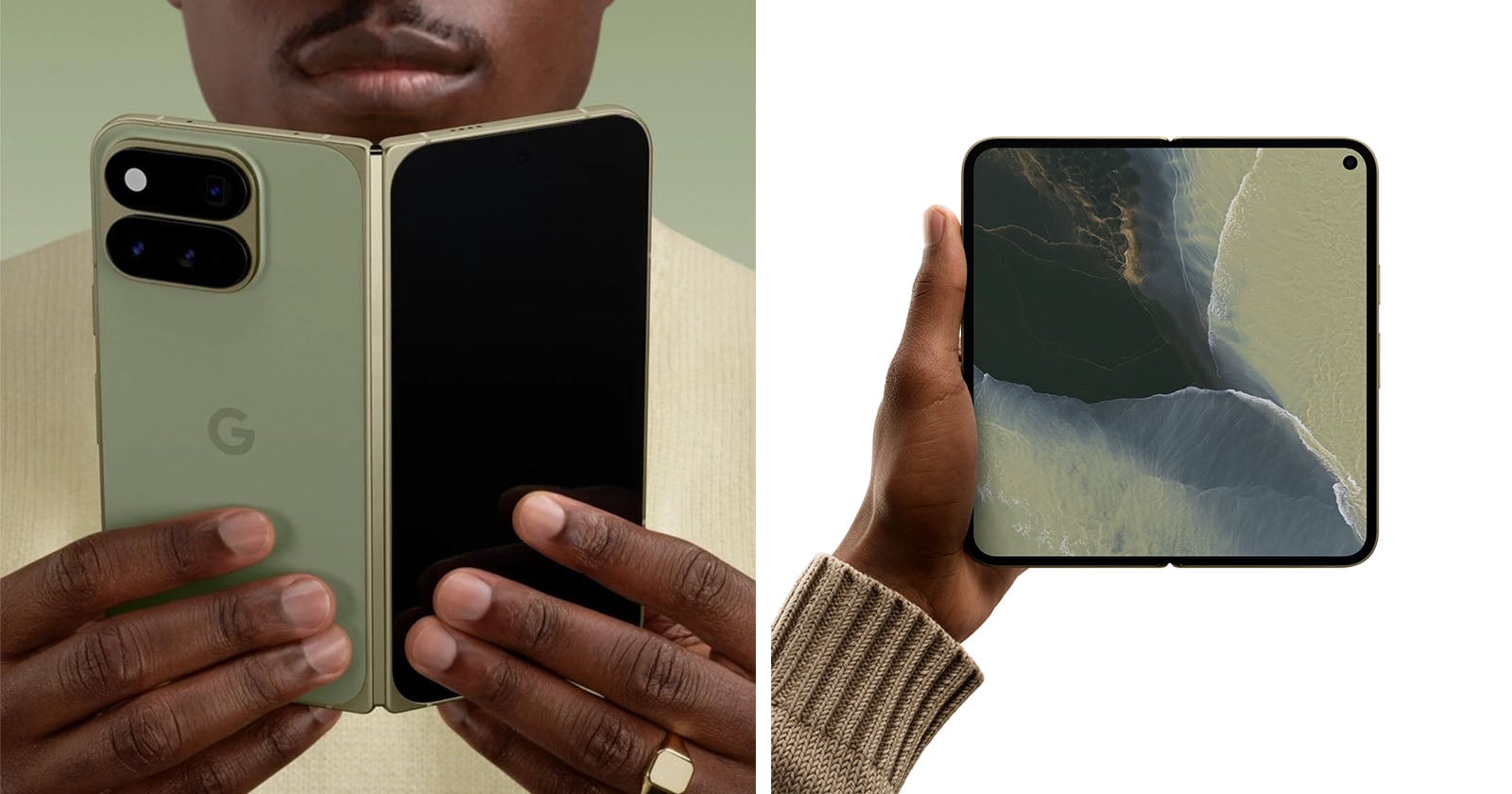
## Our Take: The Foldable Pixel’s Camera Compromise – A Reflection of the Form Factor Challenge Google’s unveiling of the Pixel 11 Pro Fold alongside its standard slab models generated considerable excitement, and rightfully so. The promise of a foldable Pixel, marrying Google’s renowned computational photography with the versatility of a foldable display, felt like a natural evolution. However, the recent report from PetaPixel highlighting the camera compromises in the Fold model—namely, its inferior image quality compared to the base Pixel 11—serves as a sobering reminder of the inherent challenges in integrating high-end camera technology into foldable devices. This isn’t merely a disappointment for Pixel enthusiasts; it’s a signal about the broader trajectory of foldable innovation and the persistent tension between form and function. The initial hype surrounding foldable phones often overlooks the engineering complexities involved, particularly when it comes to squeezing sophisticated camera systems into a constrained and dynamically flexing chassis. We’ve seen similar trade-offs in other foldable devices, where camera performance often lags behind their traditional counterparts. For those seeking the pinnacle of mobile photography, the choice remains clear: prioritize image quality over the novelty of a foldable screen. Consider our earlier piece on The Enduring Appeal of the Slab Phone where we discussed the core strengths of traditional smartphone design—a point that becomes even more relevant in light of this Pixel 11 Pro Fold development. The crux of the issue, as detailed in the PetaPixel article, seems to stem from the limitations imposed by the foldable design. The internal camera system, presumably designed for use when the device is unfolded, faces constraints in terms of space and potential for distortion caused by the folding mechanism. While Google's legendary image processing algorithms can certainly mitigate some of these issues, they can’t completely overcome the fundamental hardware limitations. This is a critical point for consumers – the ‘Pixel experience’ isn’t solely reliant on software; it’s inextricably linked to the quality of the underlying camera hardware. The expectation for a ‘Pro’ model is typically one of *enhanced* capabilities, not diminished ones. This isn’t to say the Pixel 11 Pro Fold is a bad device; the foldable form factor itself presents exciting possibilities for multitasking and content creation. However, the camera performance—a traditionally strong suit for Pixel devices—is demonstrably compromised, potentially alienating photography enthusiasts who are drawn to the Pixel ecosystem. The prioritization of the foldable display, while visually appealing, appears to have come at the expense of photographic excellence, a decision that will undoubtedly spark debate within the Android community. A related analysis on Foldable Phone Durability Concerns highlights the ongoing engineering hurdles involved in creating robust foldable devices, which further underscores the challenges of integrating complex components like high-resolution cameras. Beyond the immediate implications for Pixel users, this situation speaks to a larger trend within the foldable market. Manufacturers are grappling with how to balance the desire for innovative form factors with the need to maintain flagship-level performance across all key features. The camera, often a primary selling point for smartphones, consistently finds itself at the center of this compromise. While advancements in camera module design and flexible display technology are continuously being made, achieving parity with traditional smartphone cameras remains a significant hurdle. The foldable space isn’t about simply shrinking existing technology; it requires a fundamental rethinking of how components are integrated and optimized for a dynamically changing form factor. The Pixel 11 Pro Fold's camera performance serves as a case study in this ongoing evolution—a tangible illustration of the trade-offs inherent in pushing the boundaries of mobile device design. We also previously explored The Future of Smartphone Displays where we predicted the challenges in optimizing camera systems within increasingly complex display technologies. Ultimately, the Pixel 11 Pro Fold's camera situation raises a crucial question: will foldable phones ever truly achieve flagship-level performance across all categories, or will they remain a niche product catering to users who prioritize form factor over absolute functionality? The continued refinement of foldable technology, particularly in the areas of flexible optics and camera module miniaturization, will be critical in answering this question.
Alongside its three new slab smartphones, the Pixel 11, Pixel 11 Pro, and Pixel 11 Pro XL, Google unveiled a new foldable, the Pixel 11 Pro Fold. It's sleek and stylish, but has serious camera compromises.
Read on the original site
Open the publisher's page for the full experience