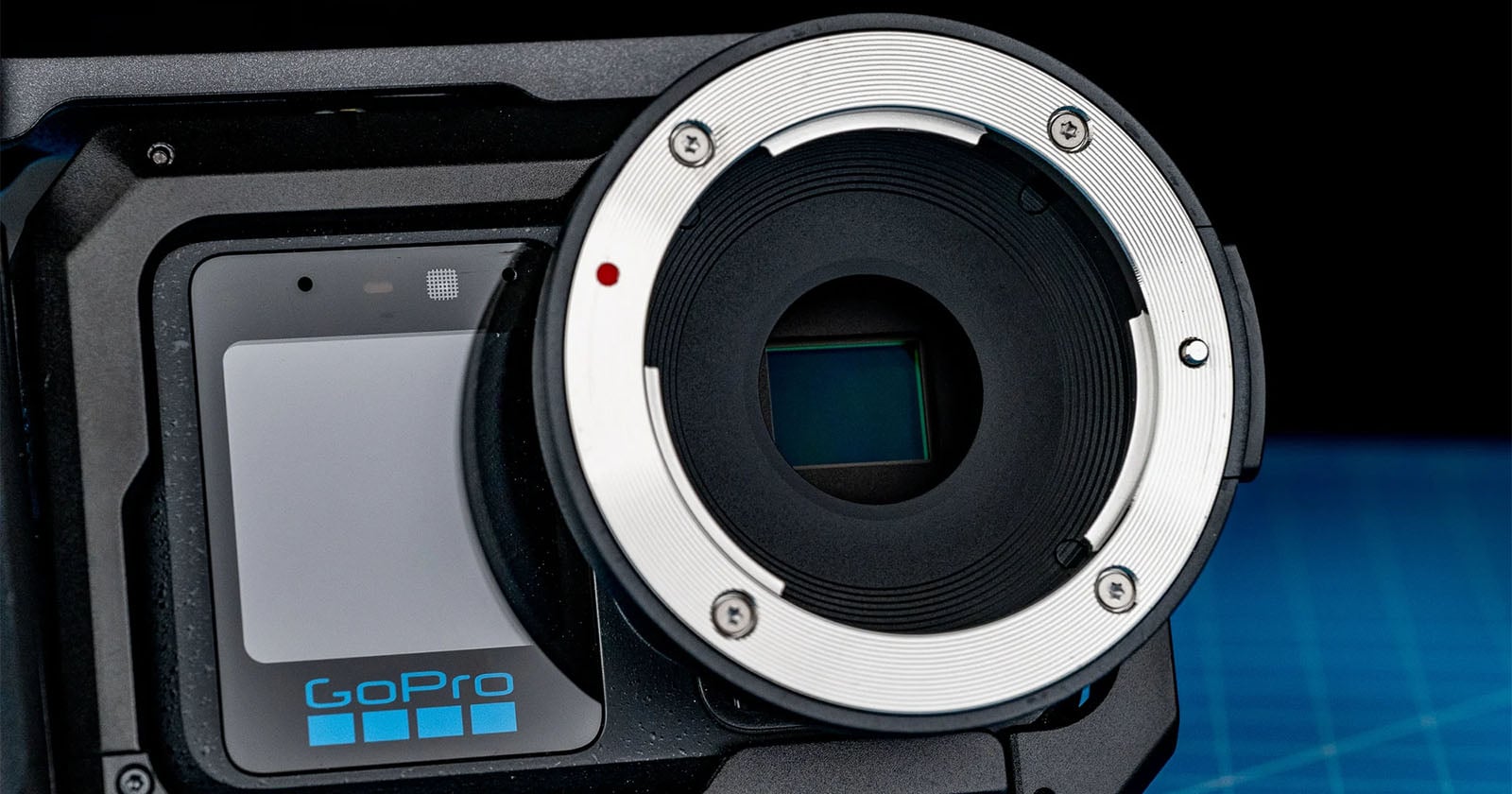
There is something quietly radical about a company like GoPro, known for action cams duct-taped to helmets and surfboards, deciding to plant its flag in the Micro Four Thirds ecosystem. The announcement that GoPro has officially joined the standard OM Digital Solutions and Panasonic launched back in 2008 is not just a spec-sheet footnote; it is a statement of creative intent. For years, the conversation around GoPro has been about durability and wide-angle grit, but this move suggests a hunger for something more nuanced. It is a nod to the idea that the tool in your hand matters less than the eye behind it, a philosophy that resonates with the A Legacy of Vision: Linda McCartney’s Photography Celebrated by USPS story we recently shared, where the art of seeing outlasts the gear used to capture it.
Our take is simple: this is GoPro admitting that the future of image-making is not about a single rugged body, but about a shared language of lenses and sensors. The Micro Four Thirds mount has long been the quiet workhorse of the creative world, small enough to carry anywhere, but open enough to let a filmmaker or photographer shape light with intention. By stepping into this system, GoPro is telling its community that the next chapter is not just about the adrenaline rush of the summit, but about the composition of the frame itself. We would tell a reader who is on the fence about what this means for them to look at their own kit and ask: are you collecting tools, or are you curating possibilities? This feels like an invitation to slow down, to consider how a stabilized, compact sensor paired with a mount that has decades of glass behind it could change the way you chase a story. It is a practical reminder that the best technology is the kind that disappears into the artist's hand, much like the in-camera color techniques celebrated in Elevate Your Vision: PolarPro’s Radial Filters Reimagine In-Camera Color.
What excites us is the collision of two worlds that rarely share a frame. GoPro's DNA is about motion, chaos, and the unpolished beauty of the moment. Micro Four Thirds has often been the domain of the thoughtful, deliberate shooter, someone who might spend an afternoon chasing the perfect light rather than the perfect wave. But this partnership feels less like a compromise and more like a conversation. It suggests a future where your action cam and your cinema camera can speak the same visual dialect, where the line between the run-and-gun and the composed is thinner than ever. We would caution against reading this as a pivot away from GoPro's roots; rather, it is an expansion of their vocabulary. The brand is not abandoning the cliff dive; it is just learning to paint the water's surface with more depth.
The concrete detail to watch here is how GoPro integrates this mount into its existing ecosystem. Will we see a new flagship that shoots both the hyper-immersive slow-motion and the shallow depth-of-field portraits that the system is known for? The open question is whether they will lean into the collaborative spirit of the standard, releasing a body that feels distinctively GoPro, or if they will play it safe and simply adapt existing designs. For us, the most compelling takeaway is this: the era of the single-purpose camera is over. The artists who thrive will be those who see the tool as a means to an authentic expression, not a badge of loyalty. If GoPro can bring its signature energy to a mount built for precision, we might just be looking at the beginning of a very beautiful, very vibrant partnership. The frame is set; now we wait to see what they choose to put in it.