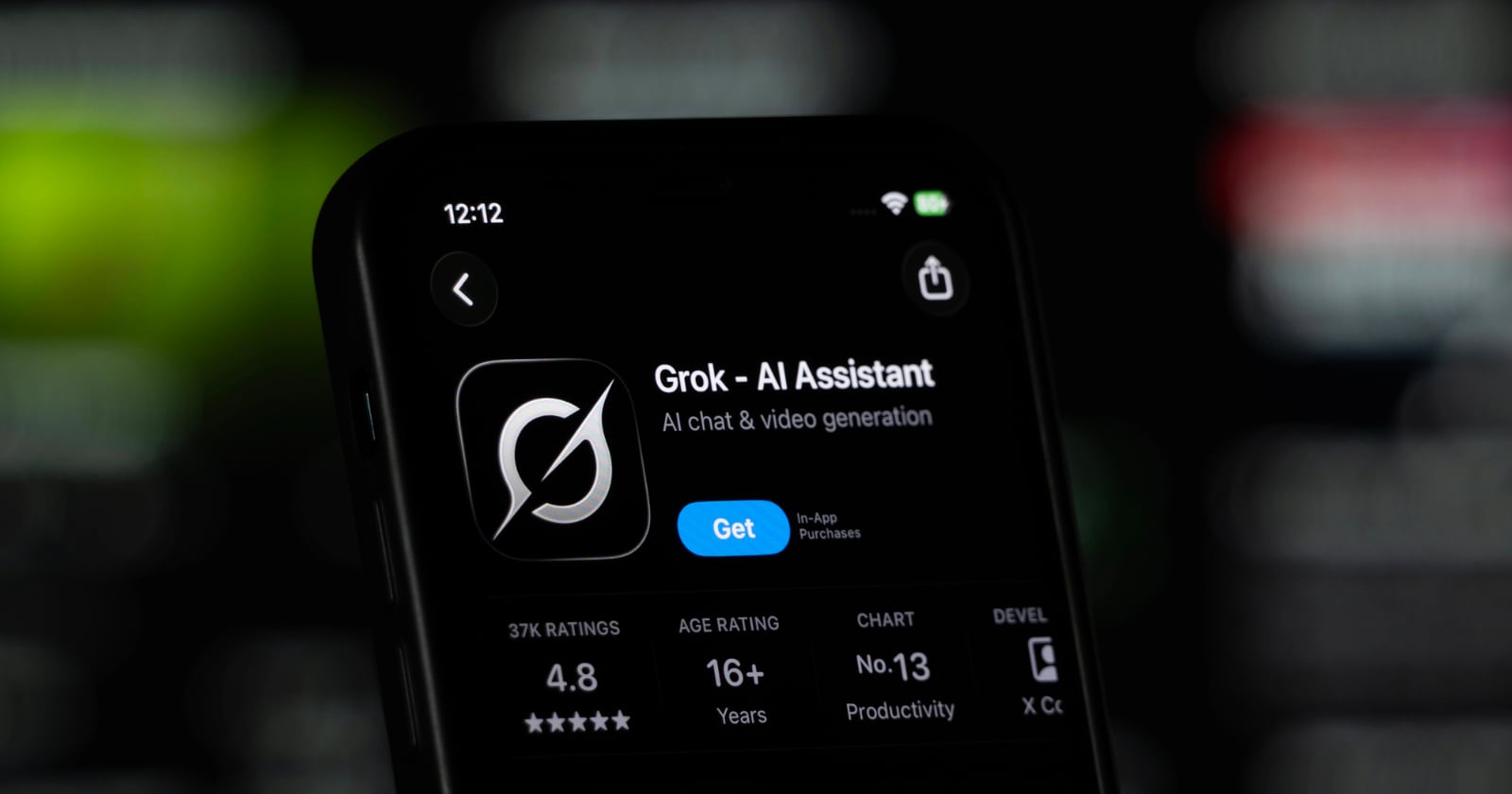
The news that xAI is suing an Arkansas photographer for allegedly using Grok to transform photographs of his minor clients into sexually explicit images lands with the weight of a door slamming shut on a conversation we've been dancing around for years. This isn't a distant policy debate or a theoretical ethics seminar. It's a concrete, messy legal battle that puts a mirror up to the creative community, forcing us to ask who is responsible when a tool designed to augment imagination is turned toward exploitation. The photographer isn't just accused of a crime; he's accused of weaponizing a platform that many of us have been cautiously experimenting with, and the fallout is going to ripple far beyond his studio.
For our readers, this story is a stark reminder that the line between artistic collaboration and violation is thinner than we like to pretend. We've spent so much time celebrating the immersive potential of AI, the way it can help us reimagine a portrait or craft a mood board in seconds. But this case drags the darker side of that curated fantasy into the light. The photographer's alleged actions are a betrayal of the very trust that defines the client-artist relationship, a trust we explored when discussing Cultivating Connection: Creating Comfortable Portrait Experiences. That piece emphasized the delicate art of making subjects feel safe, a principle that feels hauntingly naive now. You can't claim to be a steward of someone's image while secretly feeding it into a system that strips away their agency. The practical takeaway here is blunt: consent isn't a one-time checkbox, and it certainly doesn't extend to a model's likeness being warped into something they never agreed to.
What makes this case particularly thorny is the legal framing. xAI is arguing that the photographer is responsible for the resulting material, not the algorithm that generated it. That's a bold stance, and it's one that could set a precedent for how we assign accountability in the AI age. On one hand, it feels like a necessary pushback, a way to hold individuals accountable for their intent rather than letting the technology play the "it wasn't me" card. On the other hand, it raises an uncomfortable question about the limits of that logic. If the tool is neutral, as many in the industry argue, then where does the liability truly begin? It's a bit like the White House Access Restricted: News Crew Faces Unexpected Security Measures situation, where the gatekeepers are deciding who gets to stand in the room. Here, the gatekeeper is a courtroom, and the question is whether the creator or the creation bears the blame.
We'd tell any photographer reading this to treat this moment as a warning shot, not a reason to retreat into fear. The technology isn't going away, and neither is the ethical gray zone it occupies. But what you can do is build a practice that's rooted in radical transparency and digital hygiene. Get explicit, written consent for any use of a subject's images, including AI augmentation. Keep your workflows documented so you can prove intent if questions arise. And, perhaps most importantly, stay informed about how the platforms you use are evolving. The fact that a major player like xAI is willing to litigate this issue signals that the era of unchecked experimentation is over. We're moving into a phase where the law is scrambling to catch up with the art, and the artists who thrive will be the ones who treat their tools with respect. The question now isn't whether Grok can do something, but whether you have the judgment to know when it shouldn't.