Half a Year Ago, I Went Back to DSLRs. I Don’t Regret It
Our take
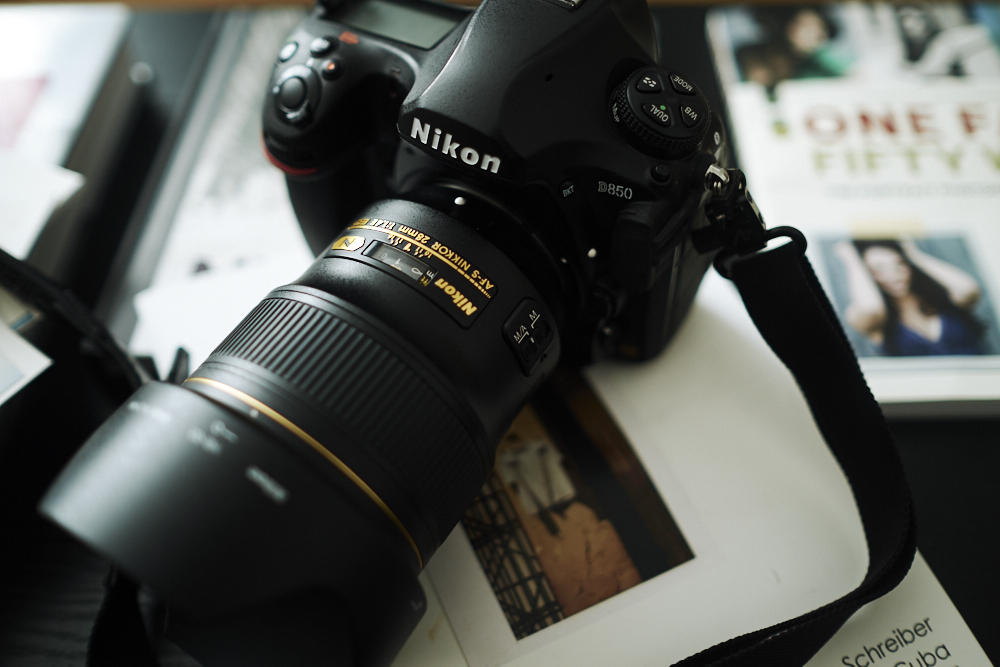
The recent resurgence of interest in DSLRs, highlighted by this author’s return to the Nikon D850, speaks to a deeper longing within the photography community – a desire for agency and control often sacrificed at the altar of technological convenience. It’s particularly poignant to read this on the day of the Sony a7r VI launch, a camera brimming with impressive features like improved low-light viewing and advanced AI assistance. Yet, as the author points out, even the most advanced mirrorless systems can feel restrictive, subtly dictating the creative process. This sentiment resonates with our readers who appreciate the deliberate, often painstaking, nature of photography, a pursuit explored in greater detail in our piece on Running on Film with the Hasselblad XPan, demonstrating the enduring appeal of tactile, analog workflows. The core issue isn't necessarily the technology itself, but the feeling of being guided, or even subtly coerced, by it.
The author’s frustration with modern cameras “doing all the work” is a valid one. While computational photography and AI-powered features undoubtedly offer benefits – streamlining editing, enhancing image quality, and assisting with focus – they can also create a sense of detachment from the fundamental act of image creation. The D850, a DSLR renowned for its robust build and exceptional image quality, offers a refreshing return to a more hands-on experience. This echoes a broader movement within creative fields, where authenticity and intentionality are increasingly valued. The ability to directly manipulate settings, understand the interplay of light and aperture, and actively shape the final image fosters a deeper connection between the photographer and their work. It’s a perspective further illuminated by our article on How Intention Changes Your Photography, which underscores the power of conscious decision-making in shaping compelling visual narratives. The shift isn’t simply about preferring older technology; it’s about reclaiming ownership of the creative process.
The fact that DSLRs remain remarkably capable, even by today's standards, is a crucial point. While mirrorless cameras excel in areas like video recording and autofocus speed, the D850’s image quality, dynamic range, and overall reliability remain highly competitive. This challenges the notion that technological advancement inherently equates to superior artistry. It suggests that the pursuit of the "latest and greatest" can sometimes distract from the core principles of good photography: composition, light, and a keen eye for detail. The author's decision isn't a rejection of progress, but rather a deliberate choice to prioritize control and a more intimate relationship with their gear. It’s a counter-narrative to the relentless cycle of upgrades and the pressure to constantly adopt the newest technology, reminding us that tools are ultimately subservient to the vision of the artist. Even the stunning imagery captured by the James Webb Space Telescope, showcased in The 25 Best James Webb Space Telescope Photos, demonstrates that extraordinary results can be achieved with sophisticated, yet ultimately functional, technology.
Ultimately, this trend highlights a growing awareness within the photography community that the tools we use should empower, not dictate, our creativity. The resurgence of DSLRs isn't about nostalgia; it’s about a conscious rejection of the "forced" experience that can accompany overly automated systems. As technology continues to evolve at an exponential pace, it will be fascinating to observe whether this desire for greater control and a more authentic creative process continues to drive a renewed appreciation for older, more deliberate technologies, or if the lure of AI-powered streamlining proves too strong to resist. Will photographers increasingly seek tools that facilitate their vision, or will they continue to be shaped by the capabilities of the technology itself?
Read on the original site
Open the publisher's page for the full experience