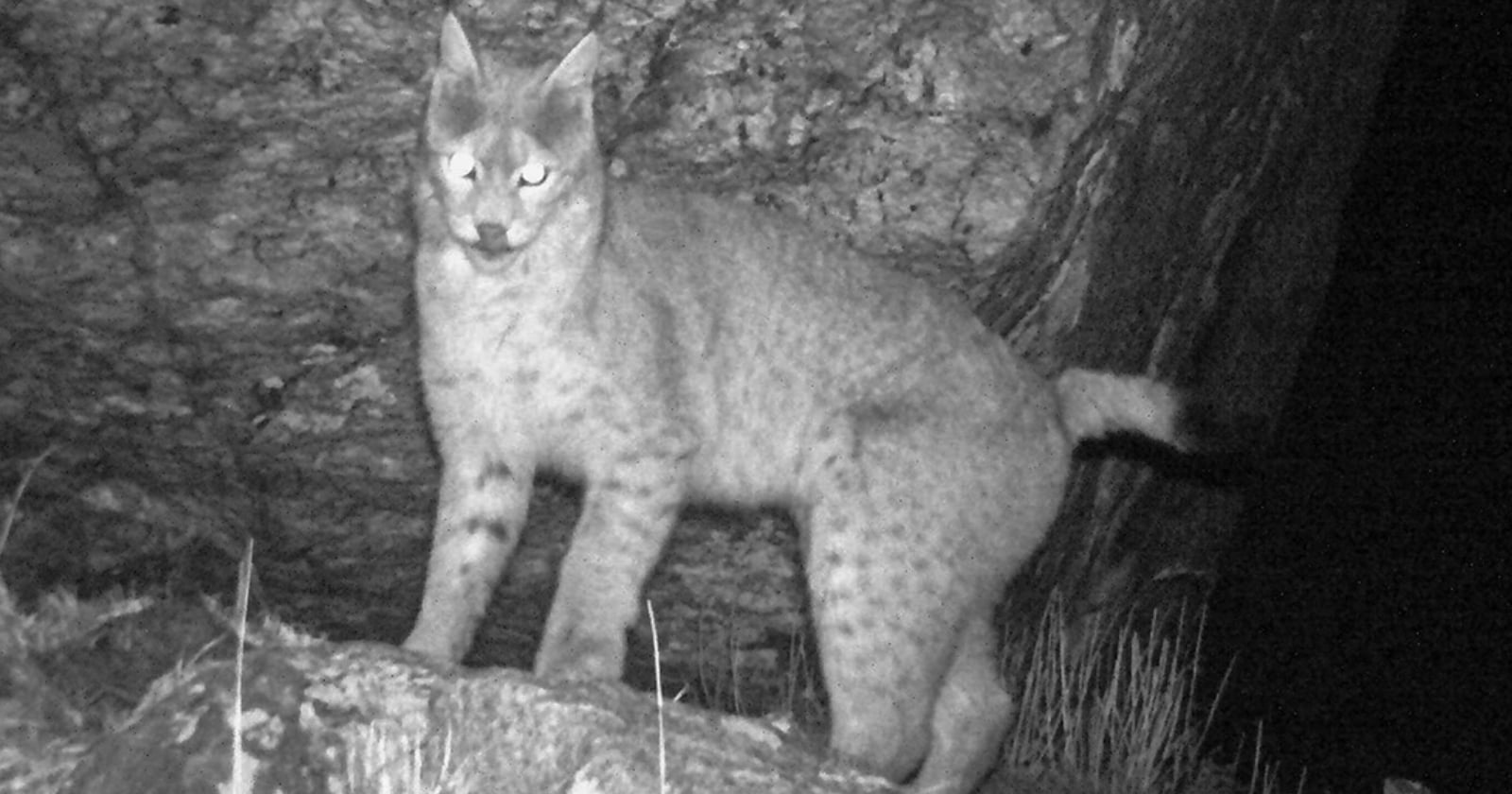
A single flash of light in the dark, a pair of eyes reflecting back at the lens, and suddenly the Himalayas feel a little more mysterious. The first confirmed photographic record of a Eurasian lynx in Sikkim is not just a win for wildlife enthusiasts; it is a quiet reminder that the world's most elusive creatures are still out there, moving through landscapes we barely understand. This image, captured by a trail camera, carries the weight of a discovery that feels both ancient and urgently new. It is the kind of moment that makes you pause, not because the animal is rare, though it is, but because it proves that nature still holds secrets we have not yet stumbled upon.
We have seen this before, of course, in the accidental finds and patient waits that define modern conservation. A tourist's photograph recently unveiled a hidden floral treasure, a previously unknown plant species, proving that a single shutter click can rewrite what we know about biodiversity. And in South Africa, a three-and-a-half-year camera trap survey of cheetahs revealed a stark reality: their numbers are far lower than we hoped, a quiet count that demands attention. These stories, A Wanderer's Lens Unveils a Hidden Floral Treasure and A Quiet Count: South Africa's Cheetah Population Reveals a Stark Reality, share a thread with the lynx: the camera does not chase; it waits. It does not impose; it witnesses. And in that patience, we get a truer picture of the wild, one that is not filtered through human expectation.
Our take is simple: this image is a call to pay attention, not to the spectacle, but to the silence surrounding it. For our readers, the practical takeaway is not that you need to book a flight to Sikkim or invest in expensive gear. It is that the act of looking, truly looking, is a form of participation. Whether you are an artist, a hiker, or someone who simply scrolls through nature photography at midnight, these moments invite you to consider what else might be hiding in plain sight. The lynx was there all along, moving through the high-altitude rocks, and it took a motion-triggered lens to bring it into our shared awareness. That is the quiet power of documentation: it turns absence into presence, and mystery into a question we can hold.
What we would tell a reader who asks us about this is straightforward: do not let the rarity of the image overshadow the method behind it. The trail camera is a patient observer, and its success here is a testament to the value of slowing down. As we celebrate this first confirmed record, we should also ask what other firsts are waiting in the margins, unphotographed and unnamed. The cheetah count and the floral discovery are not just related stories; they are chapters in the same book about the unseen. So, the next time you see a photograph of an animal you have never heard of, remember that it was not luck. It was a commitment to watching. The real question is not whether the lynx will appear again, but whether we will be looking when it does.