Historic Portraits Celebrate the Earliest African American Photographers
Our take
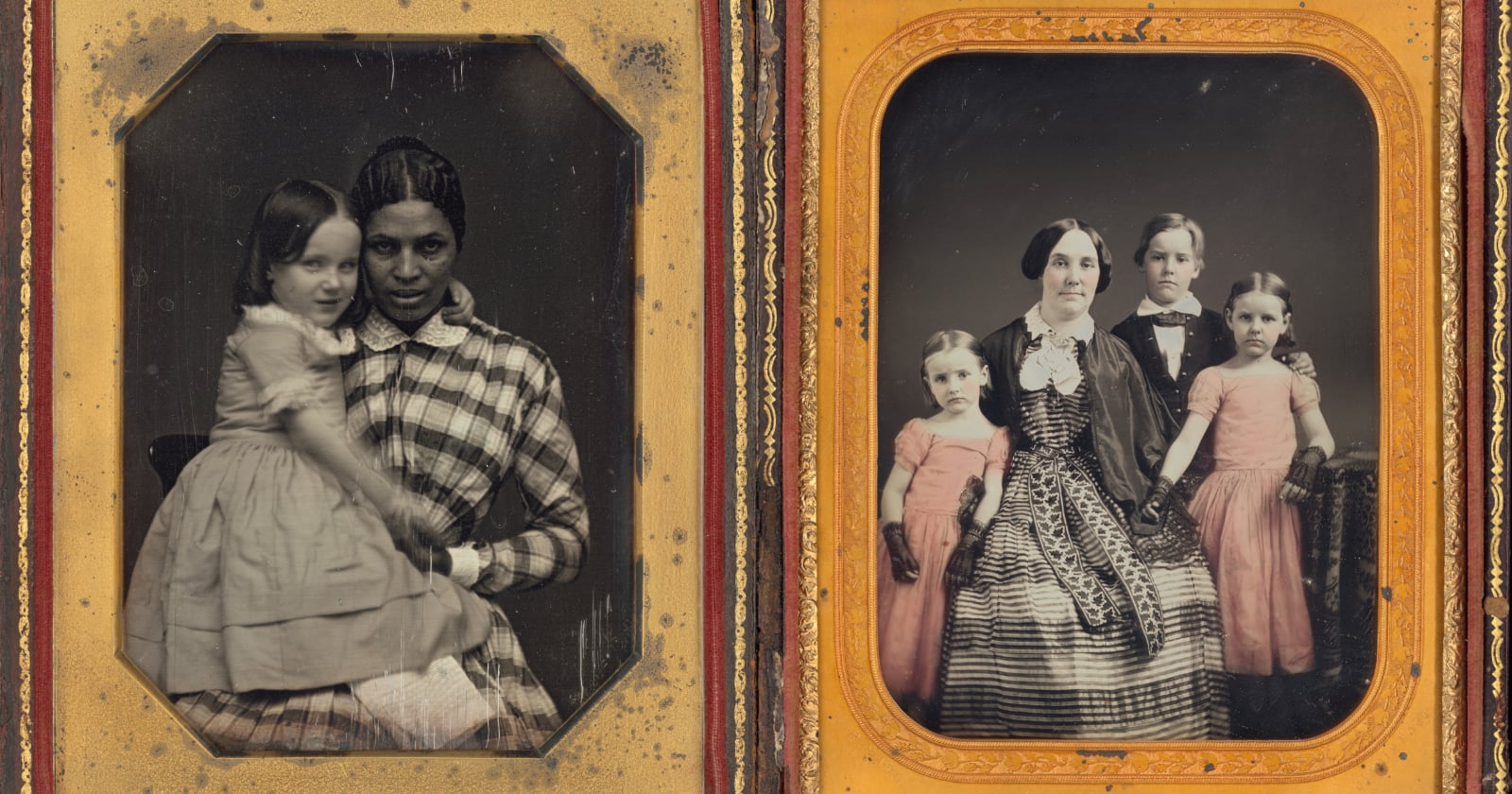
The announcement from the National Gallery of Art regarding their upcoming exhibition celebrating the earliest African American photographers is profoundly significant, not just for the art world, but for a broader understanding of photographic history itself. For too long, the narrative of photography's origins has been overwhelmingly dominated by white figures, effectively erasing the contributions of Black artists who were actively engaged in the medium from its very inception. This exhibition promises to rectify that oversight, offering a long-overdue spotlight on individuals whose work was often marginalized or simply overlooked. It’s a welcome development following recent showcases like 18 Photos From the 167th Edition of the World’s Longest-Running Photography Exhibition, which while highlighting contemporary talent, underscores the importance of continually revisiting and re-evaluating historical photographic narratives. The historical context is vital; early photography, particularly portraiture, was a burgeoning industry, and African Americans, often as entrepreneurs and skilled craftspeople, were actively involved in its creation and dissemination.
The exhibition’s focus on portraiture is particularly compelling. Portrait photography in the 19th century served as a powerful tool for self-representation and social mobility, especially for marginalized communities. These images weren't just records of appearance; they were assertions of identity, dignity, and presence in a society that often denied them. Considering the technological advancements in image manipulation and editing now available, as demonstrated by the impact of presets on even older files Even Older Camera RAW Files Look Good With Our Presets, it’s all the more vital to appreciate the painstaking process and artistry involved in early photographic techniques like daguerreotypes and ambrotypes. The exhibition’s curation will undoubtedly shed light on the unique challenges and opportunities faced by these photographers, navigating issues of race, class, and access while simultaneously establishing their own studios and building clientele. The historical significance is amplified when considering the broader context of the time, a period marked by slavery, segregation, and systemic discrimination.
Beyond the historical documentation, this exhibition has the potential to reshape our understanding of artistic innovation. It’s likely these early African American photographers developed distinct styles and approaches, perhaps influenced by their unique perspectives and the communities they served. Unearthing and analyzing their work can reveal previously unknown contributions to photographic aesthetics and techniques. The sheer act of documenting Black lives and experiences at a time when such representation was scarce is a form of artistic resistance and cultural preservation. It is also a poignant reminder that the evolution of photography wasn’t a linear progression of white male innovation, but a multifaceted process involving diverse voices and perspectives, many of which were historically silenced. The exhibition’s impact will extend beyond the gallery walls, inspiring further research, scholarship, and public engagement with this vital chapter of photographic history.
The acquisition activity within the photography industry, as evidenced by news like Sony Is Officially Trying to Buy Tamron, underscores the ongoing evolution and commercial forces shaping the field. This exhibition serves as a crucial counterbalance, reminding us of the human stories and artistic endeavors that lie beyond the latest technological advancements and corporate maneuvers. What remains to be seen is how this renewed focus on early African American photographers will influence contemporary artistic practices, and whether it will inspire a deeper exploration of marginalized voices and untold stories within the broader history of visual culture. Will this exhibition spark a wider movement to uncover and celebrate the contributions of other underrepresented groups in photography, and ultimately, lead to a more inclusive and nuanced understanding of the medium's rich and complex heritage?
The National Gallery of Art has announced an exhibition that will trace African American photographers and portrait subjects from the earliest days of photography.
Read on the original site
Open the publisher's page for the full experience