How Film Prices Have Shot Up Over 20 Years
Our take
## The Resurgence of Film: A Price Reflection of Revival and Rarity
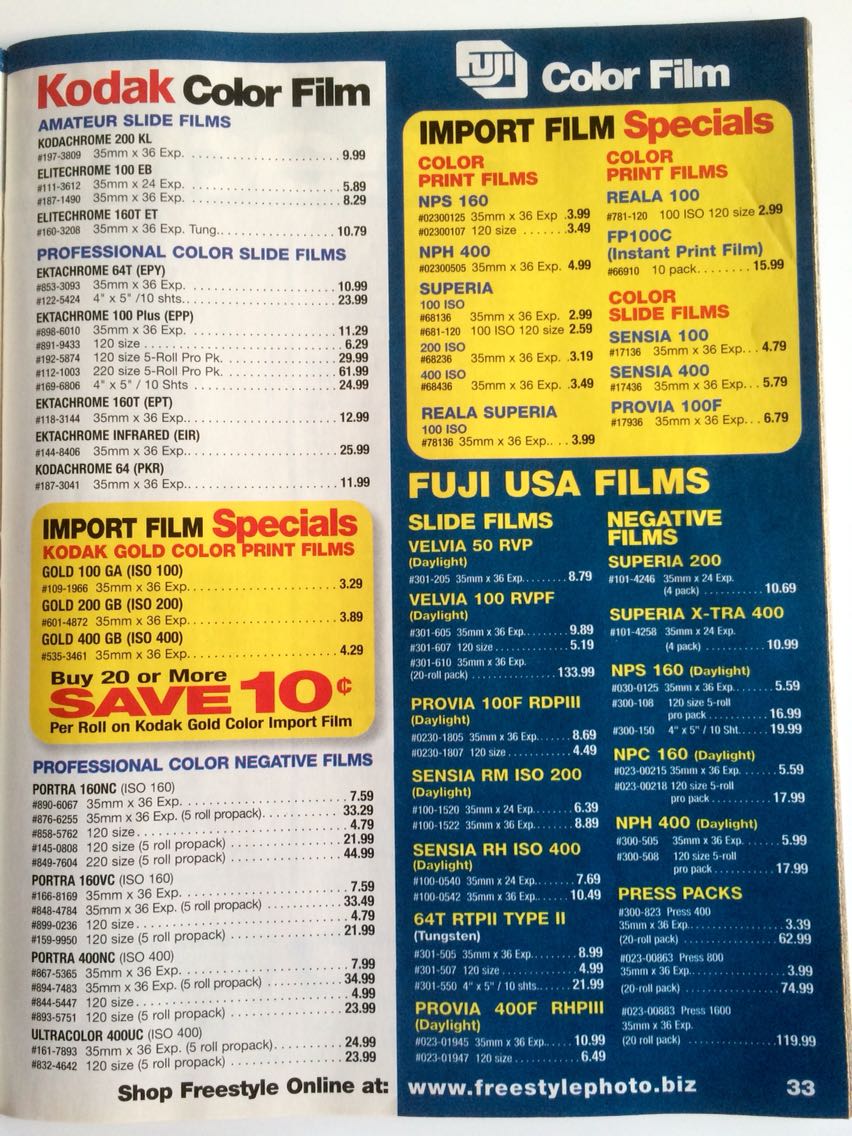
The recent discussion sparked by photographer Nick Seaney’s Reddit post, highlighting the dramatic price increases of photographic film over the past two decades, resonated deeply within the creative community. Seeing a 2005 catalog reveal prices significantly lower than today’s market is a stark reminder of how much the photographic landscape has shifted. It’s more than just a nostalgic observation; it’s a tangible representation of a powerful resurgence in film photography, coupled with the inherent challenges of reviving a nearly-obsolete industry. This phenomenon isn't isolated; we've seen similar trends in other analog mediums, as documented in The Return of Vinyl and the renewed interest in traditional printing processes. The price surge isn’t simply about inflation; it reflects a complex interplay of supply chain disruptions, increased demand, and the painstaking effort required to keep film manufacturing alive. Many photographers, both seasoned and new to the craft, are experiencing a jarring adjustment, as the romanticism of film photography bumps up against the realities of its current cost.
The core driver behind this price escalation is undeniably the drastic decline in film production throughout the 2000s and 2010s. Digital photography's rapid ascent rendered film seemingly obsolete, leading major manufacturers to either scale back production significantly or exit the market entirely. This created a situation where the remaining manufacturers, like Kodak and Ilford, were producing film at a fraction of their previous scale, making it inherently more expensive to produce each roll. Furthermore, the recent global supply chain issues, exacerbated by the pandemic, have only amplified these challenges, impacting everything from raw materials to distribution. The renewed interest in film, fueled by its unique aesthetic qualities and the desire for a more deliberate, tactile photographic experience, has created a significant demand exceeding the limited supply, further pushing prices upwards. It's a classic case of supply and demand in action, but with the added complexity of reviving a struggling manufacturing process. Consider the intricacies involved; it's not simply about mixing chemicals; it’s a precise, highly regulated process requiring specialized equipment and skilled labor—resources that are increasingly scarce. For a deeper dive into the manufacturing processes involved, check out Kodak's Film Revival.
Beyond the immediate financial impact on photographers, this price shift underscores a broader cultural trend – the embrace of analog aesthetics in a digital world. Film’s inherent imperfections, its grain, its unique color rendition, and the unpredictable nature of the process itself, offer a counterpoint to the clinical perfection often associated with digital photography. This is not just about aesthetics; it’s about slowing down, engaging in a more intentional creative process, and appreciating the tangible results of one's efforts. The increased cost, ironically, may even be contributing to this appreciation. The higher barrier to entry encourages more thoughtful composition, careful metering, and a greater consideration for each shot, reinforcing the value of the final image. The movement isn't purely about nostalgia; it's a conscious choice to engage with a slower, more deliberate form of art-making, a reaction perhaps, against the overwhelming flow of instantly shareable digital content.
Looking ahead, the film photography revival presents a fascinating question: can the industry sustain this growth while maintaining affordability? While increased demand has undoubtedly driven up prices, it also incentivizes further investment in film manufacturing. Will new players enter the market, increasing supply and potentially moderating prices? Or will film photography remain a niche pursuit, accessible primarily to those willing to invest in the process? The answer likely lies in a delicate balance – a continued appreciation for film’s unique qualities coupled with innovative approaches to manufacturing and distribution. The future of film isn't about replicating digital photography; it's about embracing its distinct character and cultivating a sustainable ecosystem that allows this enduring art form to thrive.
Read on the original site
Open the publisher's page for the full experience