How India and Pakistan Shaped Influential Fashion Photographer Frank Horvat’s Career
Our take
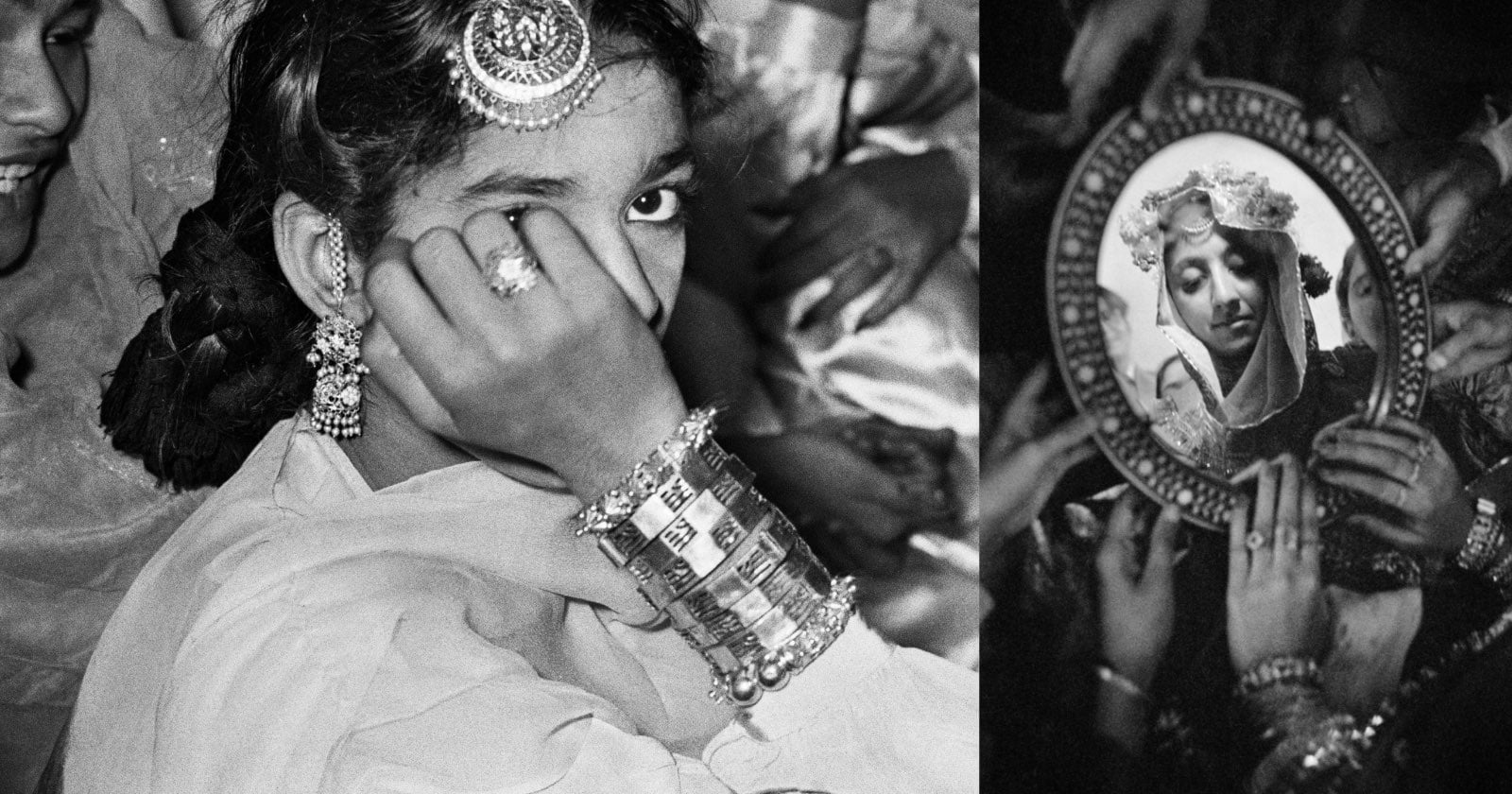
Frank Horvat’s name resonates within the fashion photography world as a pioneer, known for his candid and often unconventional approach that challenged the prevailing studio-bound aesthetic of the mid-20th century. The forthcoming book detailing his early work in India and Pakistan offers a fascinating lens through which to understand the genesis of this distinctive style. It’s a narrative that speaks to the power of cultural immersion in shaping artistic vision and, crucially, highlights a period often overlooked in discussions of Horvat's broader career. The exploration of how these formative experiences influenced his later, celebrated work feels particularly relevant given the current discourse surrounding authenticity and representation within the fashion industry, a conversation we've been tracking closely, as seen in our analysis of The Rise of Indigenous Representation in Luxury Fashion. Furthermore, this rediscovery aligns with a growing appreciation for photographers who moved beyond the purely commercial to capture the human element—a shift we explored in Documenting the Unseen: The Power of Street Photography in Fashion.
The significance of Horvat's Indian and Pakistani sojourn isn't merely about documenting a region. It's about the profound impact of witnessing a vastly different cultural landscape on a young photographer striving to define his artistic identity. The excerpt mentioning the split-screen image – one side showcasing a woman adjusting jewelry, the other a reflection of a bride – powerfully encapsulates this duality. It’s a visual representation of the intersection of personal adornment and cultural ritual, a theme that likely permeated his subsequent work. Prior to this experience, Horvat was largely working within the confines of European fashion. Immersing himself in the vibrant colors, intricate textiles, and deeply ingrained traditions of the subcontinent undoubtedly broadened his perspective and instilled a desire to capture genuine moments rather than manufactured poses. It’s reasonable to assume that this shift influenced his later move towards more documentary-style fashion photography, where the subject's personality and environment played a crucial role.
This rediscovery of Horvat's early work is particularly timely in an era where fashion photography is grappling with issues of cultural appropriation and the need for genuine representation. While the concept of "cultural inspiration" has long been a part of the fashion ecosystem, there's a growing awareness of the importance of respectful engagement and avoiding harmful stereotypes. Horvat’s experience, viewed through a contemporary lens, prompts us to consider the responsibility of photographers when documenting cultures outside their own. Did he navigate these complexities with the sensitivity of today's standards? The book itself, and the critical analysis it will undoubtedly generate, will offer a deeper understanding of this nuanced aspect of his practice. The exploration of his work provides a valuable case study for understanding how photographers can engage with different cultures while maintaining artistic integrity – a conversation echoed in our recent piece on Ethical Storytelling in Fashion Campaigns.
Ultimately, the release of this book presents a compelling opportunity to re-evaluate Frank Horvat's legacy and to consider the broader impact of cross-cultural experiences on artistic creation. It challenges us to look beyond the polished images of fashion magazines and to appreciate the complex journeys that shape the vision of even the most celebrated photographers. As the fashion landscape continues to evolve, demanding greater authenticity and inclusivity, it's increasingly important to examine the historical roots of these shifts. One compelling question remains: how will future generations of photographers leverage their own travels and cultural interactions to create meaningful and respectful representations of diverse communities, and will the lessons gleaned from Horvat’s experience guide their approach?
A new book explores the images groundbreaking fashion photographer Frank Horvat took in India and Pakistan early in his career, and how the experience shaped his work.
Read on the original site
Open the publisher's page for the full experience