How Lens Filters Can Make Your Photography Less Boring
Our take
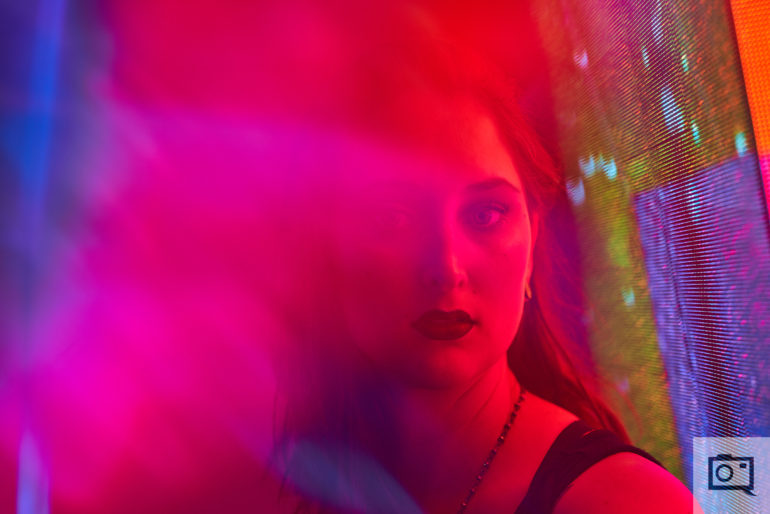
## Our Take: The Quiet Revolution of Lens Filters in a Digital Age
The pursuit of visually compelling photography has always been a dance between technical mastery and artistic vision. Historically, photographers have chased that elusive "perfect" image through complex lighting setups, meticulous camera settings adjustments, or even elaborate stagecraft. The article, "How Lens Filters Can Make Your Photography Less Boring," rightly highlights a more accessible and often-overlooked tool: the humble lens filter. It's a refreshing reminder that achieving impactful imagery doesn't always require a sprawling studio or an encyclopedic knowledge of camera internals. In an era dominated by post-processing and digital manipulation, the resurgence of filters as a tool for in-camera enhancement feels almost paradoxical, yet it speaks to a deeper desire for authenticity and a more deliberate creative process. We've previously explored the nuances of digital workflow in The Art of the Edit, and this article presents a compelling counterpoint – a return to influencing the image *before* it even hits the sensor. Furthermore, our piece on Compositional Techniques for Impact touches on the ways photographers shape the viewer’s eye, and filters offer another layer of control in that process, subtly guiding perception and mood.
The beauty of lens filters lies in their ability to add a layer of creative control without the permanence of digital alteration. While post-processing certainly has its place, relying solely on it can sometimes lead to an over-processed, artificial look. Filters, on the other hand, offer a more organic and nuanced way to shape the image. Consider the use of a polarizing filter to deepen skies and reduce glare, or a graduated neutral density filter to balance exposure between a bright sky and a darker foreground. These aren’t just technical corrections; they’re artistic choices that contribute to the overall aesthetic. The article's emphasis on filters as a means to avoid “boring” photography is particularly astute. Often, the most captivating images aren't about technical perfection, but about creating a specific mood or atmosphere. Filters provide a relatively inexpensive and straightforward way to achieve this, democratizing access to a range of visual effects that were once the domain of more experienced or technically proficient photographers. This isn't about replacing other techniques, but rather adding another valuable tool to the photographer’s arsenal.
The shift towards embracing in-camera manipulation, facilitated by filters, also reflects a broader trend in creative fields – a desire for a more tangible and deliberate process. In a world of instant gratification and readily available digital tools, there's a growing appreciation for craftsmanship and the intentionality of analog techniques. This isn’t to say that digital photography is inherently flawed, but rather that there’s a renewed interest in methods that allow for greater creative control and a deeper connection to the subject matter. The subtle nuances that filters introduce – the way a warming filter subtly alters skin tones, or a diffusion filter softens harsh light – can add a layer of depth and character that’s difficult to replicate digitally. This aligns with the current cultural moment, where authenticity and imperfection are increasingly valued over polished perfection. We recently discussed the importance of embracing natural light in Capturing Authentic Moments, and filters can be a surprisingly effective way to enhance and shape that natural light.
Looking ahead, it will be fascinating to see how the integration of AI and computational photography further influences the use of lens filters. Will AI-powered filters emerge that dynamically adjust based on scene conditions, blurring the line between in-camera and post-processing effects? Or will the renewed appreciation for tangible, analog techniques lead to a continued embrace of traditional filters as a means of asserting creative control and achieving a more authentic visual aesthetic? The key question remains: as technology continues to evolve, will photographers prioritize the ease and versatility of digital manipulation, or will they rediscover the subtle power and artistic potential of these often-overlooked tools?
Read on the original site
Open the publisher's page for the full experience