How Manual Focus Lenses Make Everyone Better Photographers
Our take
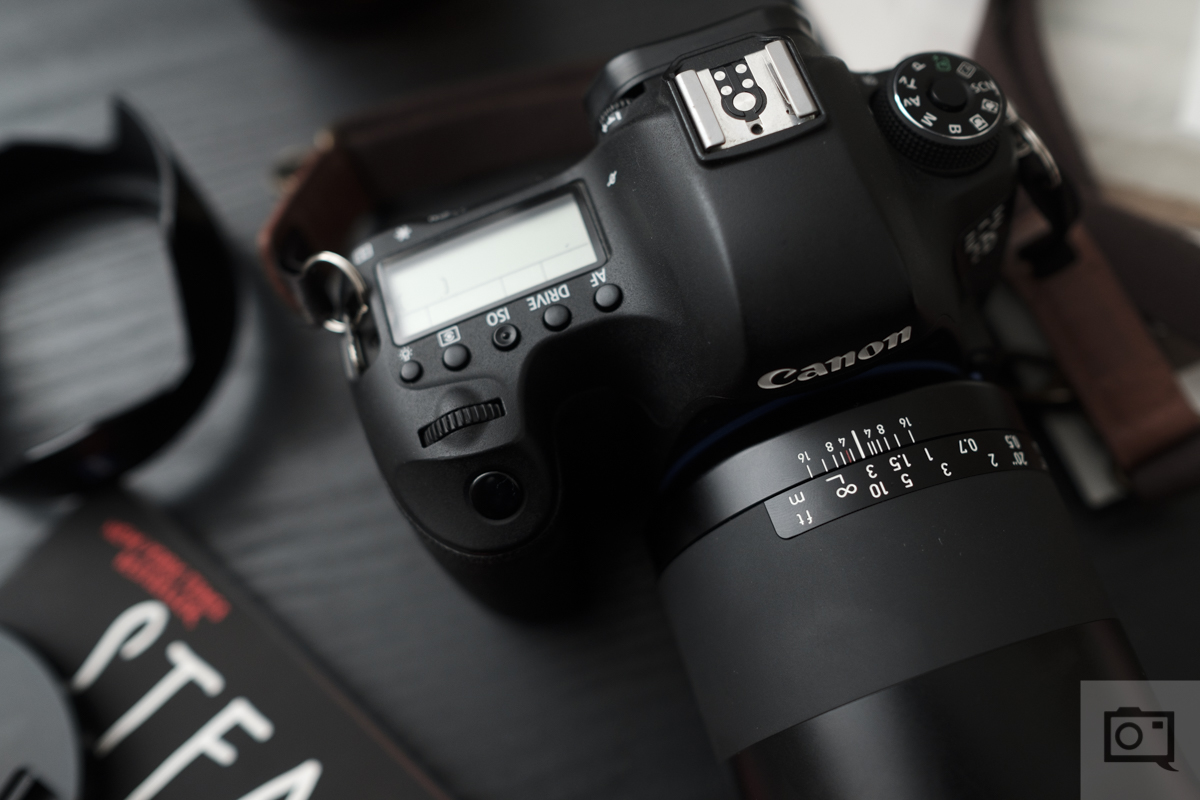
The recent discourse surrounding the resurgence of manual focus lenses isn't merely a nostalgic trend; it represents a vital recalibration within the photographic landscape. The core argument, as articulated in the piece "How Manual Focus Lenses Make Everyone Better Photographers," resonates deeply with a growing sentiment: our reliance on automation, while offering undeniable convenience, can subtly erode fundamental skills and a deeper connection to the creative process. We've seen similar anxieties expressed elsewhere – the frustration with AI’s increasingly intrusive role in photography is palpable, as evidenced in "Using AI Slop to Sell Cameras Will Never Make Sense to Me," and even professionals within traditionally rigorous fields like the Royal Navy voice concerns, as detailed in "Royal Navy Photographers Don’t Have a Nice Word to Say About AI." This isn’t about rejecting technological advancements entirely, but rather advocating for a more deliberate and mindful integration of tools. The ease of autofocus, particularly the sophisticated AI-powered systems now commonplace, allows photographers to prioritize speed and capturing the moment over thoughtful composition and precise control.
The analogy drawn between automated appliances and the decline of traditional skills is particularly insightful. Just as the microwave might diminish culinary expertise, autofocus can dull the visual acuity and critical thinking necessary for truly compelling photography. The act of manually focusing forces a photographer to actively engage with the scene, to assess depth of field, to understand how light interacts with the lens, and to anticipate movement. It's a tactile, almost meditative process that fosters a deeper understanding of the tools and the subject matter. This isn't to suggest that autofocus is inherently detrimental; it’s a powerful tool for specific situations—action photography, for example—but an over-reliance on it can create a generation of photographers who lack the foundational skills to truly master their craft. The work of Magnum photographer documenting England's cathedrals [Magnum Photographer Spent Three Years Documenting All 42 of England’s Anglican Cathedrals] underscores this point—a project demanding meticulous observation and deliberate execution, qualities arguably fostered by a more intimate relationship with the camera.
The shift towards manual focus lenses, therefore, isn't just about aesthetics or a vintage appeal. It’s a conscious choice to reclaim agency over the photographic process. It’s a rejection of the passive acceptance of automated results and an embrace of active participation in shaping the final image. This movement aligns with a broader cultural trend towards valuing craftsmanship and authenticity in a world increasingly dominated by algorithms and instant gratification. The appeal lies in the tangible feedback loop – the direct correlation between your actions and the resulting image. It’s a return to the fundamentals, a stripping away of layers of technology to reveal the essence of photography: light, composition, and a photographer’s unique perspective. While AI continues to evolve and reshape the industry, the resurgence of manual focus represents a powerful counter-current, a reminder that true artistry often thrives on deliberate effort and mindful engagement.
Looking ahead, it will be fascinating to observe whether this trend continues to gain momentum and influence the broader photographic community. Will we see a greater emphasis on photographic education that prioritizes foundational skills alongside the utilization of advanced technologies? Will manufacturers respond by developing lenses and cameras that seamlessly integrate both manual and autofocus capabilities, catering to photographers of all skill levels? Or will the allure of effortless automation ultimately prevail? The answer likely lies in a balanced approach, one that acknowledges the benefits of technology while safeguarding the core principles of visual artistry and critical engagement – a path that necessitates a continuous re-evaluation of our relationship with the tools we use to capture the world around us.
Read on the original site
Open the publisher's page for the full experience