How Photographers’ Images Are Getting Caught Up in the Trade War Between the US and Canada
Our take
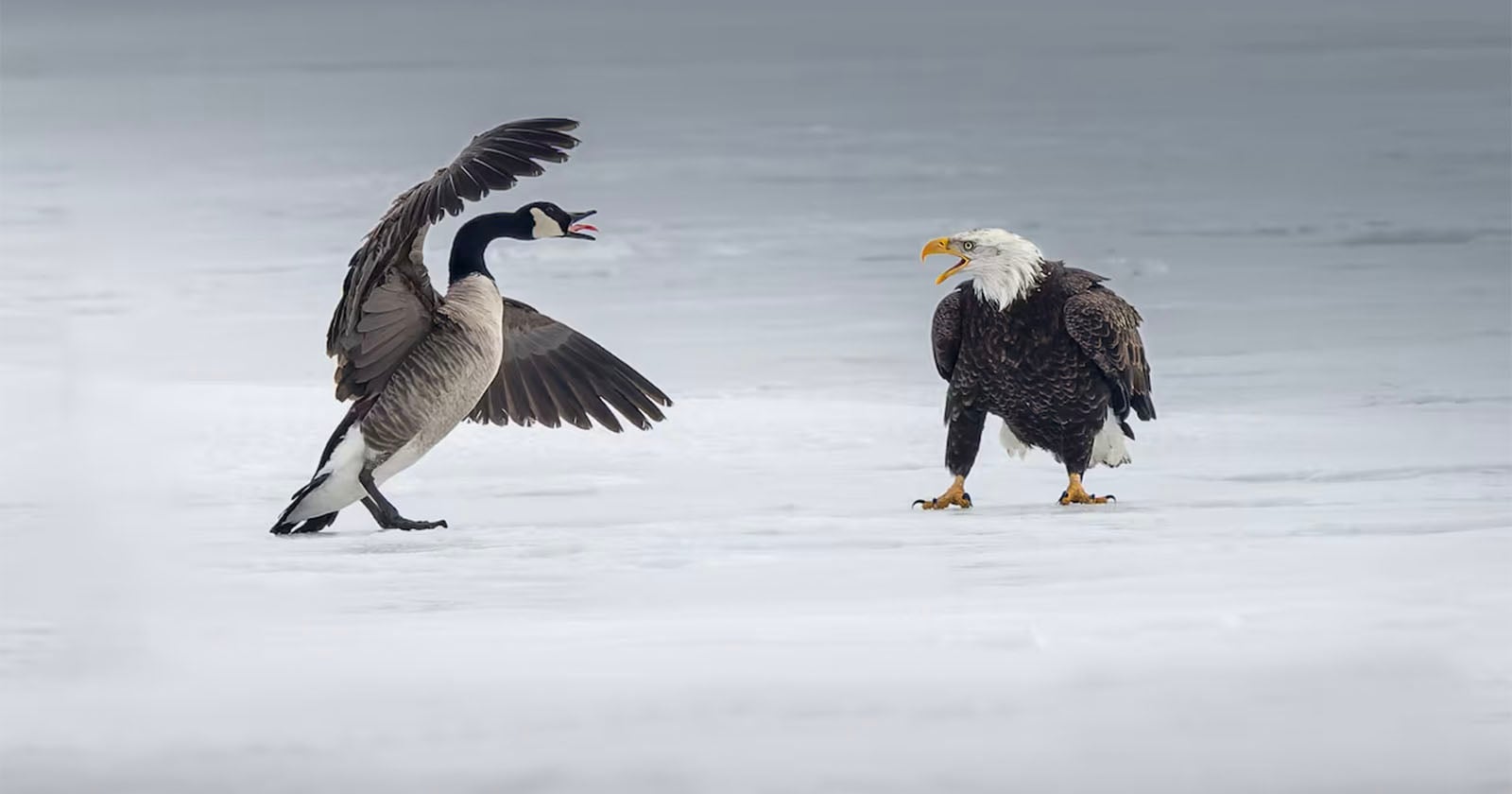
The escalating tensions between the United States and Canada have found an unexpected visual representation: a striking photograph of a bald eagle gripping a Canada goose. Its repeated use by the White House on X (formerly Twitter) to symbolize the current state of US-Canada relations is jarring, not just for its inherent symbolism, but for the ethical and legal implications surrounding its appropriation. This situation highlights a growing concern within the creative community – the vulnerability of photographic work to being leveraged in political narratives without proper attribution or compensation. The ease with which imagery can be disseminated and repurposed in the digital age, as explored in [Adobe Brings ACR’s Powerful Non-Destructive Exposure Tools Into Photoshop Itself], underscores the need for photographers to fiercely protect their intellectual property. It also raises questions about the responsibility of those utilizing these images, particularly government entities.
The core of the issue isn't simply about copyright infringement, though that's certainly a component. It’s about respect for the artistic process and the value of creative labor. The photographer, whose identity remains somewhat obscured in the initial reporting, poured time, skill, and potentially significant resources into capturing this image. The inherent power of the photograph lies in its ability to evoke emotion and convey a message, and to have that message commandeered for political purposes, particularly in a context as sensitive as a trade war, without acknowledgement is a significant ethical breach. This echoes a broader conversation within the photography industry regarding fair compensation and recognition, a topic frequently discussed within collaborative projects like those outlined in [TFP Model Call – London Ontario], where the value of creative contributions is paramount. The photograph's power is amplified by its symbolism - a visual shorthand for national identity and potentially even conflict – making its unauthorized use even more problematic.
The implications extend beyond this specific instance. It sets a precedent for the appropriation of visual art for political messaging, potentially emboldening other entities to utilize images without proper consent. While fair use doctrines exist, the wholesale adoption of a photograph to represent a complex geopolitical situation feels far outside the scope of reasonable usage. Furthermore, it reinforces the ongoing debate about the economic sustainability of a career in photography. As technology continues to democratize image creation, the challenge lies in ensuring that photographers are fairly compensated for their work and that their intellectual property rights are respected. The rise of increasingly sophisticated editing tools, like those discussed in [GoPro Mission 1 Pro ILS Review: A Bit of a Head Scratcher], while offering new creative possibilities, also complicates the landscape of image ownership and usage rights. This case serves as a potent reminder that even seemingly innocuous imagery can become entangled in larger political narratives, with potentially significant consequences for the creators behind it.
Looking ahead, this situation necessitates a greater awareness of copyright and usage rights within political communications. Government entities, in particular, should prioritize obtaining proper licenses and providing attribution for any visual content they utilize. Photographers, meanwhile, should remain vigilant in monitoring the use of their work and actively pursuing legal recourse when necessary. The incident highlights a crucial point: the visual landscape is increasingly intertwined with political discourse, and the protection of artistic integrity must be a priority. Will this case spark a broader conversation about ethical image usage in political spheres, or will it become another cautionary tale of creative labor exploited in the service of national narratives?
It's become a go-to photo for the official White House account on X when it comes to US-Canada relations -- which have become decidedly frosty. But who took that stirring photo of a bald eagle with its talons on a Canada goose and where did it come from?
Read on the original site
Open the publisher's page for the full experience