How to Find Photography Inspirations Without Copying Movies and Social Media
Our take
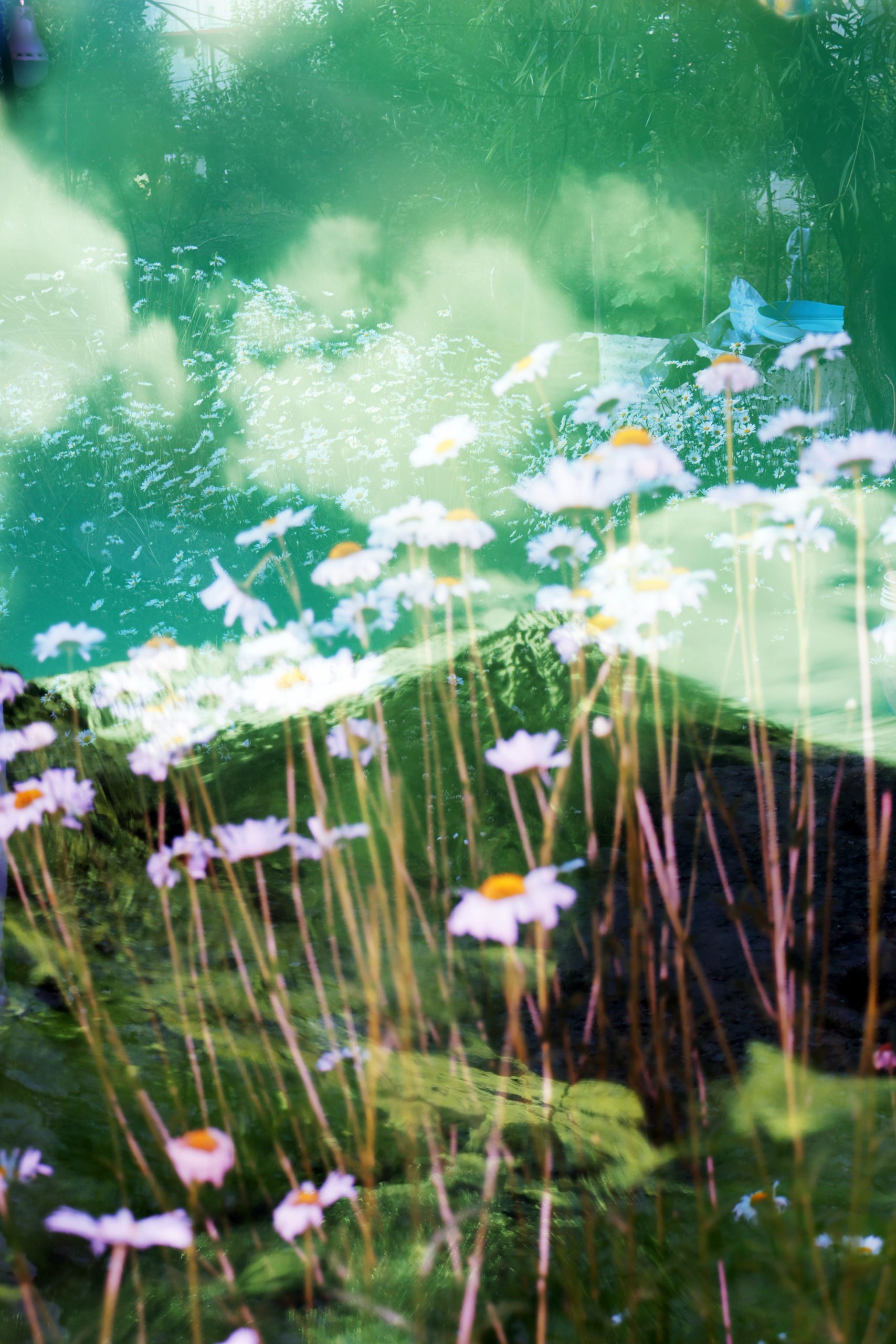
The pursuit of photographic originality is a constant tension, a delicate dance between drawing inspiration from the world around us and avoiding the pitfalls of imitation. The article’s focus on finding photography inspiration beyond the usual suspects – movies and social media – strikes at the very heart of this challenge. It’s a particularly relevant concern in today's visual landscape, where trends proliferate at lightning speed and the pressure to conform can be immense. Many photographers, especially those working in commercial or fashion contexts, find themselves initially reaching for familiar visual cues, often unconsciously replicating aesthetics seen in film or trending on platforms like Instagram. This reliance, while understandable as a starting point, can quickly lead to a sense of creative stagnation and a lack of distinctiveness. To help navigate this, understanding foundational techniques is vital; for example, our recent piece on Flash photography isn’t that scary highlights how a deeper grasp of lighting can unlock entirely new creative avenues, moving beyond simply mimicking styles. Similarly, exploring the capabilities of different equipment – like the insights shared in What Makes These 5 Canon Cameras Special in 2026? – can offer fresh perspectives and unlock unique photographic possibilities.
The article's suggestion to look beyond the obvious sources is a valuable nudge towards a more deliberate and considered creative process. It encourages photographers to actively seek inspiration from places often overlooked – art history, architecture, nature, even seemingly mundane everyday scenes. The key, it seems, lies in developing a discerning eye and the ability to filter these observations through one's own unique artistic lens. This isn’t about passively absorbing visuals; it's about actively engaging with the world and translating those experiences into a personal photographic language. It’s a shift in mindset, from being a consumer of imagery to an active interpreter and creator. The rise of specialized lens manufacturers, like the developments discussed in Viltrox’s First Micro Four Thirds Lenses Promise Great Value, further underscores this point; access to diverse tools provides more avenues for individual expression and the creation of truly original work.
This challenge resonates particularly strongly within the commercial and fashion spheres, where the need to stand out is paramount. Clients are increasingly seeking visuals that are not only aesthetically pleasing but also possess a distinct point of view, a narrative that sets them apart from the competition. Simply replicating existing trends is no longer sufficient; photographers must demonstrate the ability to innovate and create something genuinely new. The article’s emphasis on authenticity and originality is therefore not just a matter of artistic integrity, but also a crucial element of professional success. It’s about cultivating a style that is recognizably *you*, a visual signature that transcends fleeting trends and establishes a lasting presence in the industry. This requires a willingness to experiment, to take risks, and to embrace the imperfections that often arise in the pursuit of something truly original.
Ultimately, the quest for photographic inspiration is a continuous journey of discovery. It’s a process of constantly refining one’s vision, expanding one’s horizons, and challenging one’s assumptions. The article’s message is a timely reminder that the most compelling photographs are often born not from imitation, but from a deep and authentic engagement with the world around us. A worthwhile question to consider moving forward is: As AI-generated imagery becomes increasingly sophisticated, how will photographers further differentiate their work by emphasizing the uniquely human element of artistic vision and lived experience?
Read on the original site
Open the publisher's page for the full experience