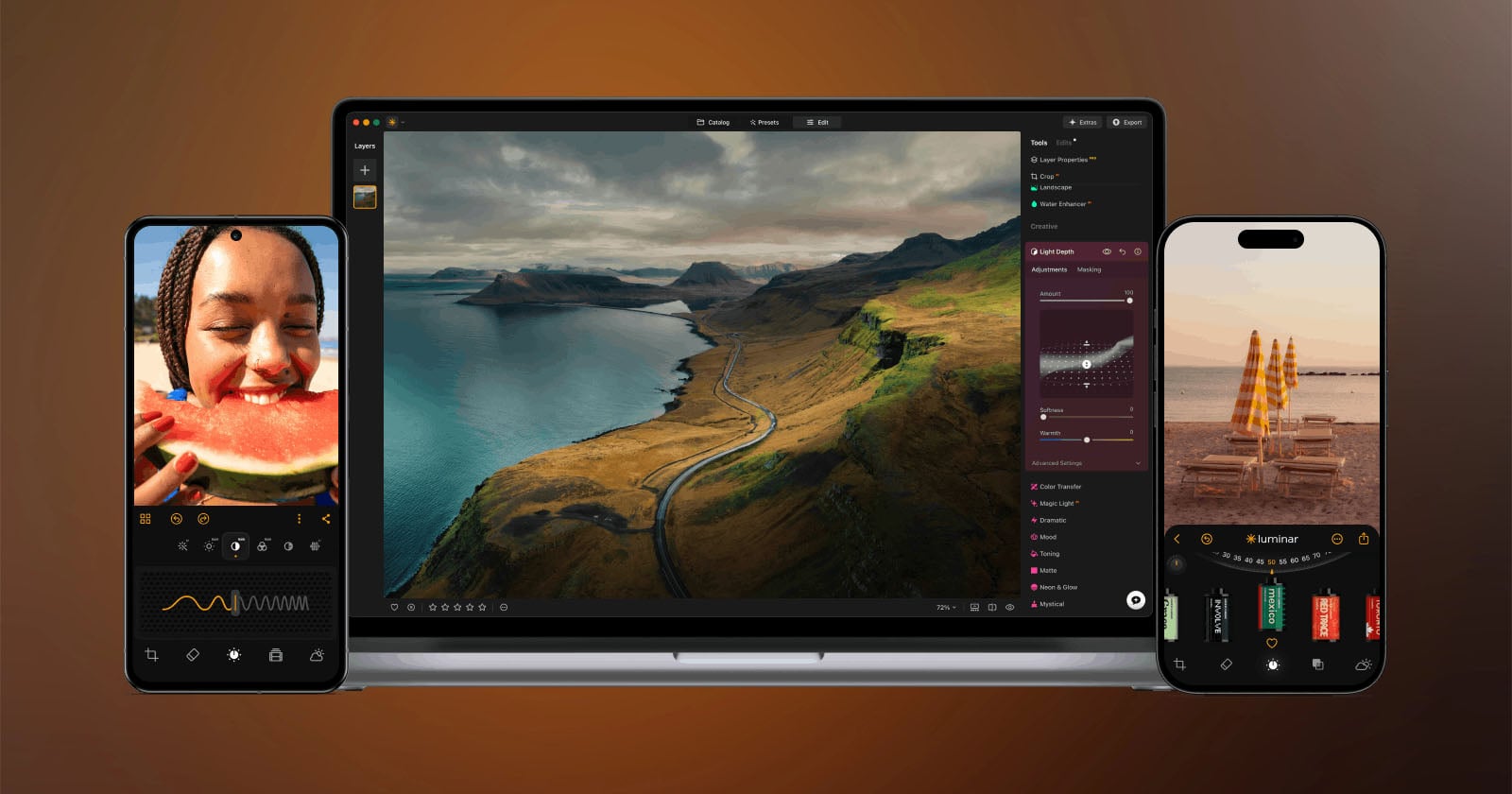
There is something quietly subversive about a company as synonymous with AI as Skylum choosing to spend its energy talking about the person holding the camera. Luminar has long been the photographer's digital darkroom, a place where machine learning does the heavy lifting of masking skies and balancing highlights. But as the cultural pendulum swings hard against generative AI, the brand is repositioning itself around a more timeless subject: the human eye. It is a smart move, and a necessary one. The market has shifted from asking what AI can do to questioning what it takes away, and in that conversation, the only defensible position is to remind everyone that the tool still serves the artist, not the other way around. This is not a rebrand so much as a reclamation of intent, and it pairs naturally with the kind of elevated, tactile artistry we see in Leica Lux 2.0: Crafting iPhone Photography with Artistic Vision, where the hardware is merely a starting point for a more deliberate, hand-guided process.
What makes this more than a marketing pivot is the practical reality it reflects. Photographers have grown wary of tools that feel like they are making decisions for them. The recent wave of AI-generated imagery has created a trust deficit, and Luminar is wise to acknowledge that its value proposition is not in replacing the photographer's judgment but in accelerating the execution of it. The software still uses machine learning, but the narrative now frames that technology as a bridge to a more expressive outcome, not as a shortcut that bypasses taste. This is a delicate line to walk, and it is one that other brands in the space are also navigating. Consider the tactile, design-forward approach in Signature 27: Where Mobile Photography Meets Elevated Design, which suggests that the next wave of imaging is less about raw processing power and more about the feel of the device in your hand and the intention behind the shot. Both companies seem to have arrived at the same conclusion: the future belongs to those who can make the technology feel personal again.
For our readers, the takeaway is straightforward and worth quoting: "AI should be the collaborator, not the author." If you are a photographer who has been hesitant to embrace Luminar because of the generative AI stigma, this shift is an invitation to revisit the tool on your own terms. The software is not dumbing down your work; it is clearing the path so your vision can step forward. And if you have been skeptical of the broader AI conversation altogether, this is a reminder that the technology itself is neutral. What matters is who is holding the reins and what they choose to do with that power. As Skylum doubles down on human creativity, the real question is not whether AI has a place in photography, but whether the industry can keep the artist at the center of the frame while the algorithms work quietly in the background. That is the detail worth watching: not the next update to the software, but whether the message sticks.