Images, Not Chatbots, Drive Downloads for AI Apps
Our take
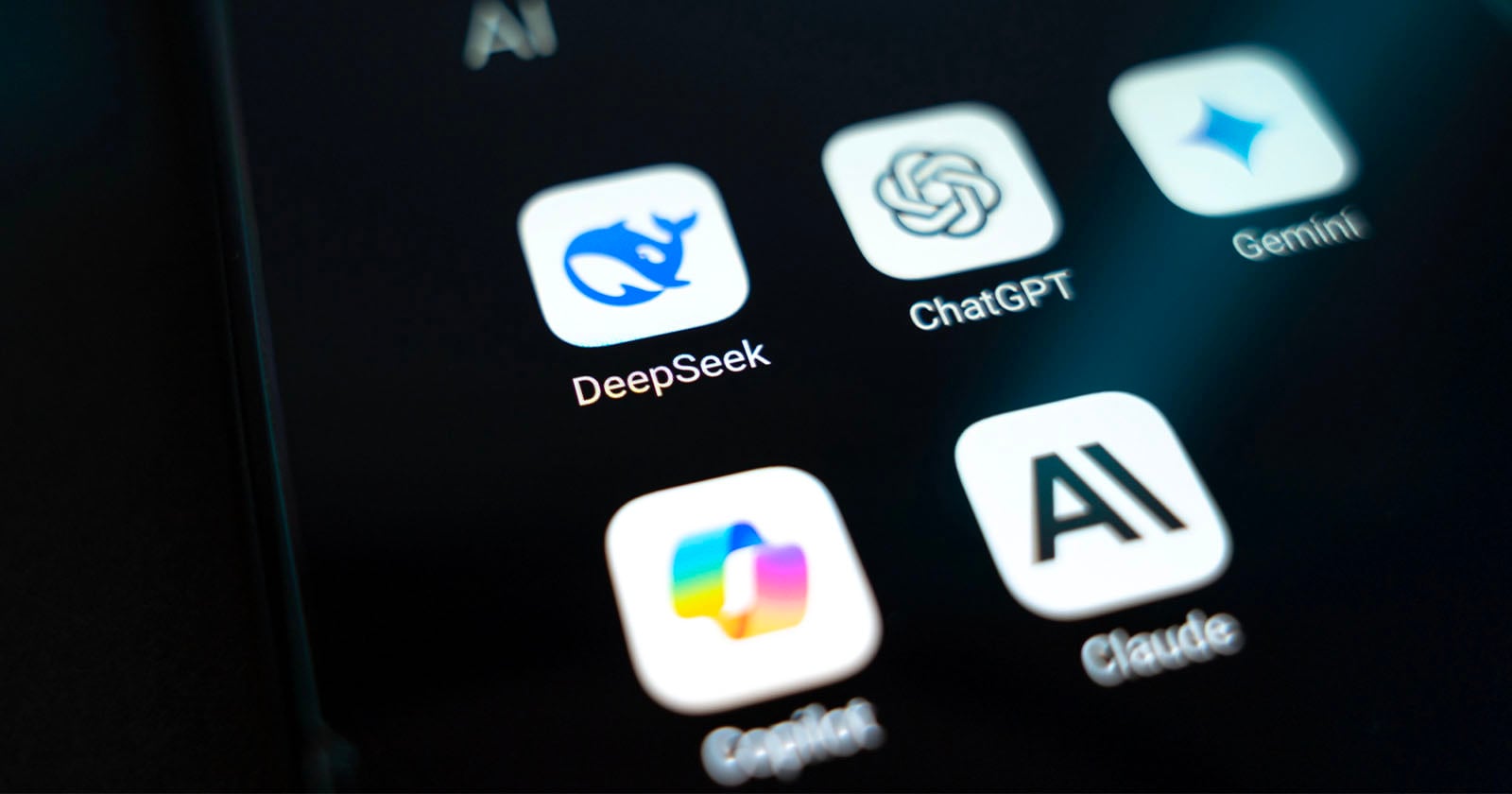
The latest report from PetaPixel reminds us that, in the age of generative AI, the visual first‑impression still reigns supreme. While chatbots dominate headlines, it is the curated still image that fuels the surge in downloads for AI‑powered apps. Photographers have long understood that a single frame can convey narrative, mood, and intention; today that same power is turbo‑charging AI products, turning sleek thumbnails into aspirational gateways. The data echo a familiar truth for our community: aesthetics are not a decorative afterthought but a strategic asset. As we explore this dynamic, consider the parallel conversation in our own space—Building a client gallery & delivery portal for a photography studio would love brutal feedback from actual photographers before I ship it underscores how a thoughtfully designed visual interface can elevate a creator’s workflow, while Canon RF 14mm f1.4 L Review: What The YouTubers Didn’t Tell You reminds us that the tools we choose shape the story we tell.
What makes the image such a potent driver? First, it offers an immediate, immersive experience that a text‑heavy chatbot cannot match. A high‑resolution icon or splash screen functions like a gallery opening: it invites curiosity, conveys brand personality, and signals quality before a single line of code is executed. This visual shorthand aligns with the aspirational yet grounded tone our audience craves—an elegant promise that the app will blend performance with style. Second, the image serves as a cultural signifier. In a saturated marketplace, a distinctive visual language differentiates an AI assistant from the sea of generic avatars. The report shows that apps with bespoke, art‑directed thumbnails enjoy conversion rates up to 30 % higher than those relying on standard stock graphics. That gap is not merely aesthetic; it reflects a deeper consumer desire for authenticity, a value we champion in every curated campaign.
The implications stretch beyond marketing metrics. For creators, the finding validates the strategic partnership between AI developers and visual artists. When an AI image‑generation tool showcases a polished result on its storefront, it signals confidence in its own creative engine, inviting photographers, designers, and stylists to experiment with the technology. This symbiotic loop can democratize high‑end visual production, allowing emerging talent to access tools that previously required heavyweight budgets. Yet the report also warns against over‑reliance on flashiness. An arresting image must be backed by functional substance; otherwise the experience collapses into a hollow veneer, eroding trust. In practice, this means aligning the visual promise with performance—fast response times, accurate results, and intuitive interaction—so that the initial wow translates into lasting loyalty.
Looking ahead, the convergence of image‑first branding and AI capability suggests a new frontier for lifestyle‑driven tech. As we witness AI apps adopting runway‑level aesthetics, the question becomes: will the next wave of innovation prioritize visual storytelling as heavily as algorithmic power? Brands that can seamlessly fuse immersive design with authentic, performance‑driven experiences will likely set the benchmark for the industry. For our readers—creative collaborators and health‑conscious enthusiasts alike—watch how the visual language of AI evolves, and consider how your own projects might harness that momentum to craft experiences that are both vibrant and genuinely useful.
The still image is incredibly powerful; photographers know this better than anyone. And even in AI, it is the picture side of the product that is turbo-charging their gigantic businesses, according to a new report.
Read on the original site
Open the publisher's page for the full experience