India’s Tiger Reserves Are Banning Smartphone Photography
Our take
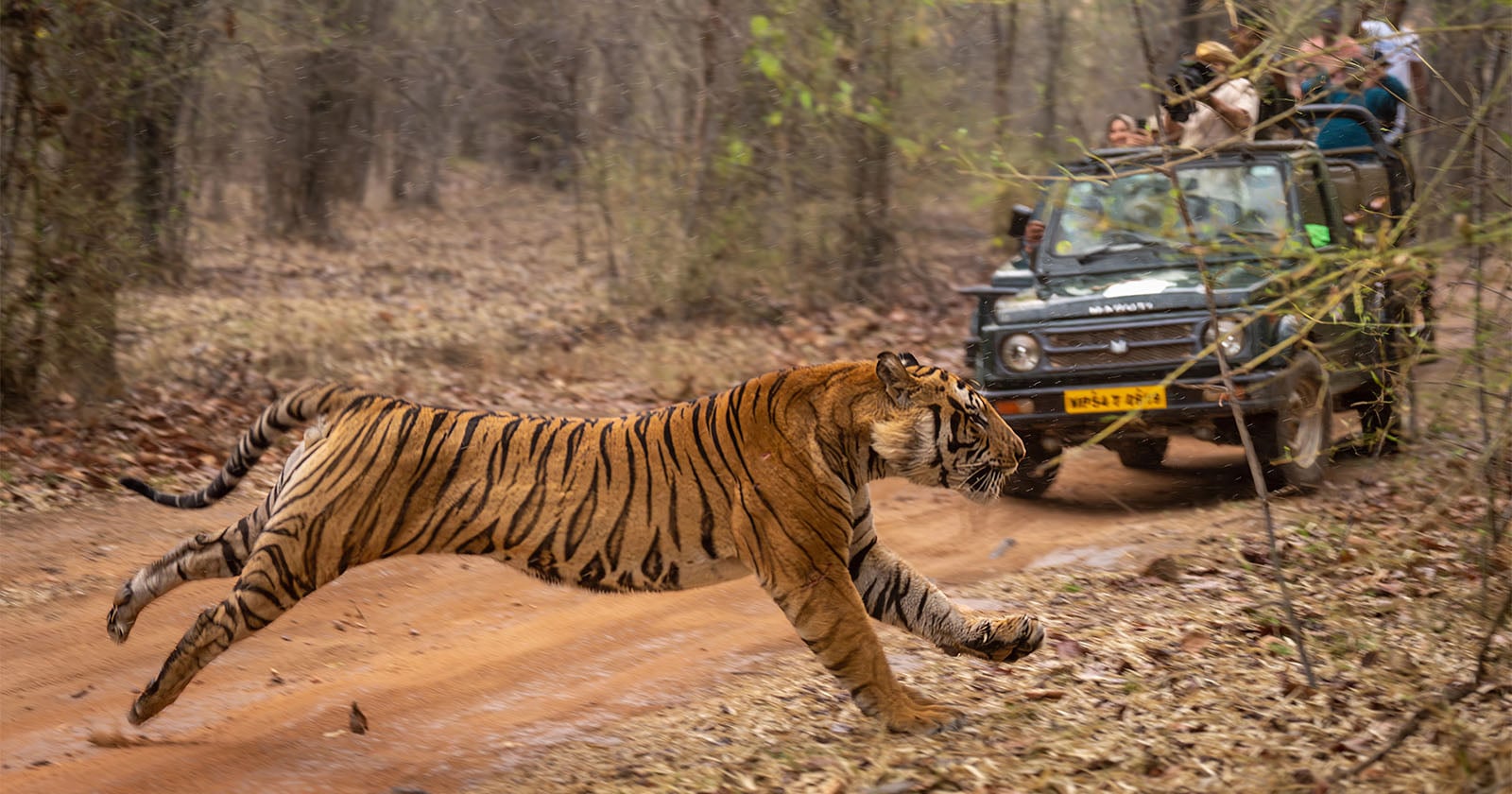
As wildlife tourism continues to flourish, India’s tiger reserves are taking a bold stance by banning smartphone photography during safaris. This decision stems from escalating concerns about overcrowding, reckless tourist behavior, and the detrimental effects of social media-driven content creation on endangered species and fragile ecosystems. The move reflects a growing awareness of the need to prioritize the well-being of wildlife and the sanctity of their habitats over the immediate gratification of capturing a perfect Instagram moment. It poses a crucial question for the modern traveler: how do we reconcile our desire to document experiences with the responsibility we hold towards nature?
The allure of capturing the beauty of nature is undeniable, as evidenced by innovations such as Instagram’s Instants, designed to encourage spontaneous sharing without the permanence that often leads to overexposure. Yet, this very desire has contributed to a phenomenon where the experience of witnessing wildlife is often overshadowed by the compulsion to document it. Safari-goers equipped with mobile devices can inadvertently become disruptive to the natural behaviors of animals, leading to negative impacts on their habitats. The ban on smartphones in tiger reserves is a conscious effort to reclaim the experience for both the visitor and the wildlife, emphasizing that some moments are meant to be savored rather than captured.
Moreover, this initiative raises broader implications for the tourism industry. It challenges the narrative that technology and tourism are inherently linked, pushing forward the idea that authentic experiences can thrive in the absence of constant connectivity. While some may view this restriction as a limitation, it serves as an invitation to engage more deeply with the environment. Travelers are encouraged to immerse themselves in the surroundings, fostering a more intimate connection with nature. This shift aligns well with the ethos of modern wellness and lifestyle trends, as explored in PolarPro’s Split 50, which emphasizes creativity and mindful engagement with the world.
The decision to restrict smartphone usage in safaris reflects a larger movement towards sustainable tourism that recognizes the innate value of preserving both wildlife and the natural environment. It urges us to rethink our interactions with nature, guiding us to consider how our actions—however innocent they may seem—can have far-reaching consequences. As travelers become increasingly aware of their impact, they may gravitate towards experiences that prioritize authenticity over aesthetics, ultimately fostering a culture that respects and protects the natural world.
Looking ahead, this initiative invites us to ponder the future of wildlife tourism in an age dominated by sharing and social media. Will we see other reserves follow suit, or will a backlash arise from those who feel entitled to document every moment? As the conversation around responsible travel continues to evolve, this moment stands as a testament to the growing consensus that our love for nature should not come at its expense. How we choose to engage with wildlife in the coming years will shape the narrative of conservation and tourism for generations to come.
India’s tiger reserves are beginning to ban mobile phones during safaris as wildlife tourism faces growing concerns over overcrowding, unsafe tourist behavior, and the impact of social media-driven content creation on endangered animals and fragile ecosystems.
Read on the original site
Open the publisher's page for the full experience