Influencer Ordered to Pay $20,000 For Refusing to Remove Video of Woman
Our take
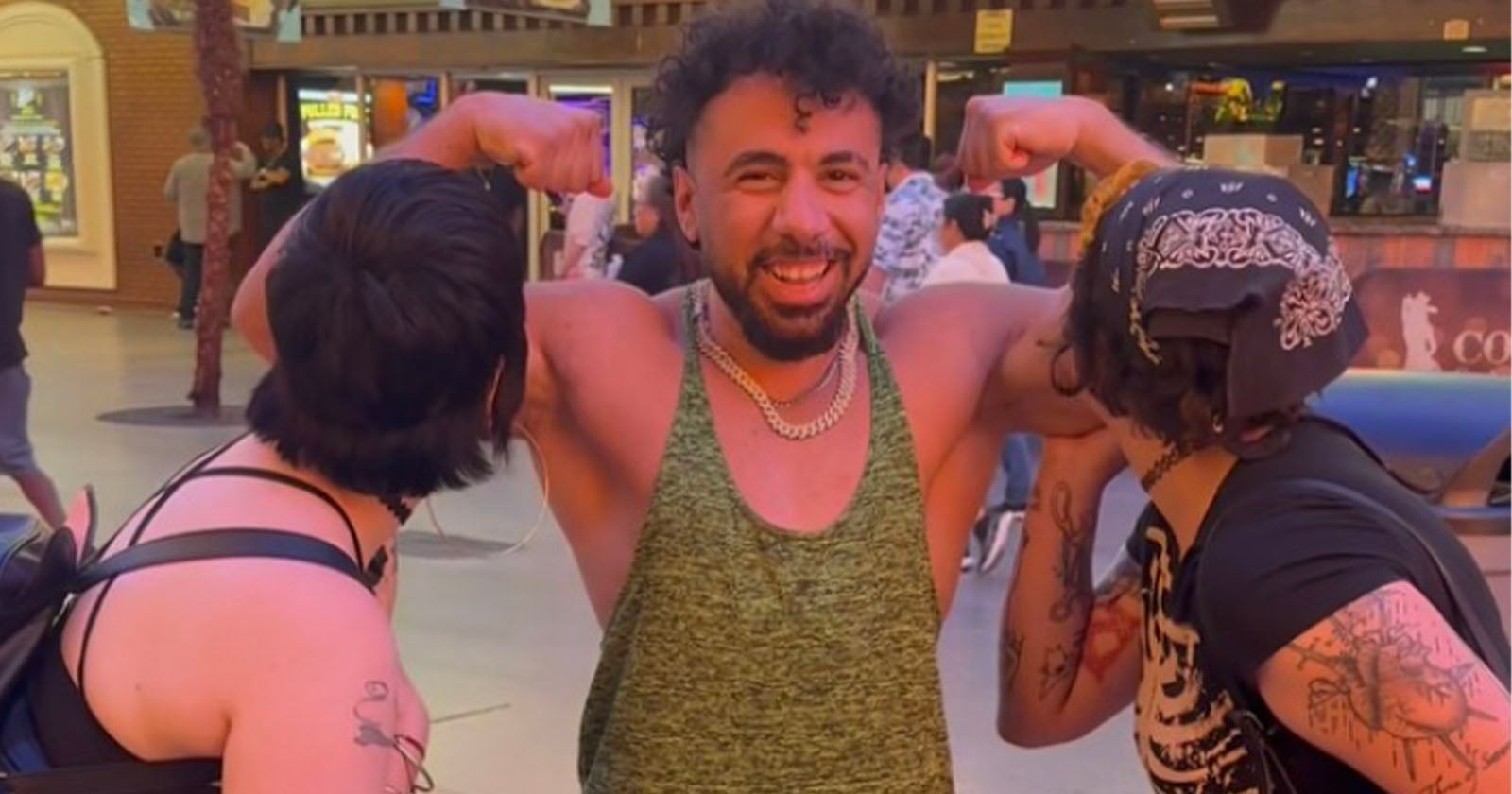
The recent court ruling against an influencer, ordering him to pay $20,000 for repeatedly sharing intimate images of a woman without her consent, underscores a deeply concerning trend within the digital landscape. This isn't simply a case of a regrettable lapse in judgment; it’s a stark reminder of the power dynamics inherent in influencer culture and the potential for exploitation that arises when personal boundaries are disregarded for the sake of content creation. The ease with which images and videos can be disseminated online, coupled with the pressure influencers face to maintain engagement and cultivate a following, creates a volatile environment where ethical considerations can be easily overshadowed. This case echoes the growing anxieties surrounding AI-generated content and its potential for misuse, as highlighted in a recent article about xAI's lawsuit against a man using Grok to create CSAM deepfakes xAI Sues Man for Using Grok to Create CSAM Deepfakes. The overlap is significant; both incidents reveal a disturbing willingness to exploit imagery, often without consent, fueled by technological advancements and a skewed sense of digital ownership.
The financial penalty levied against the influencer, while a victory for the victim, only scratches the surface of the harm caused. The emotional distress, reputational damage, and potential long-term consequences for the woman are immeasurable. It also raises questions about the responsibility platforms bear in policing content and protecting users from such violations. While Google Images is undergoing a significant design overhaul for its 25th birthday Google Images is Getting a Makeover for Its 25th Birthday, reactive measures like content removal are proving increasingly insufficient. The sheer volume of content uploaded daily makes comprehensive monitoring virtually impossible, and the legal ramifications for platforms that actively censor user-generated material are complex. This situation also compels us to examine the culture of voyeurism that pervades social media, often normalizing the sharing of personal information without proper consideration for privacy or consent. Discussions about appropriate digital behavior, particularly within creative industries, are often relegated to the periphery but are clearly crucial.
This case isn't an isolated incident, and reveals a broader conversation that needs to happen within the influencer ecosystem. It’s increasingly apparent that the pursuit of online fame and engagement shouldn't come at the expense of basic human decency and respect for personal boundaries. The current legal framework surrounding digital privacy and consent is often ill-equipped to address the unique challenges posed by influencer culture and the speed at which content can spread online. While opinions on recent digital marketing strategies from agencies opinions on recent digitals from agency ? might focus on engagement and reach, this case serves as a powerful reminder that these metrics shouldn't be prioritized above ethical considerations. The influencer’s actions were not merely a technical violation; they were a profound breach of trust and a demonstration of a disregard for the well-being of another individual.
Looking ahead, it’s crucial that influencers, platforms, and legal authorities collaborate to establish clearer guidelines and stricter enforcement mechanisms to prevent similar incidents from occurring. Education and awareness campaigns aimed at promoting responsible digital citizenship are also essential. The question remains: will this ruling serve as a watershed moment, prompting a fundamental shift in the way influencers approach content creation and safeguarding the privacy of individuals in the digital age? Or will it be just another cautionary tale amidst the relentless pursuit of online validation, a stark reminder of the human cost of unchecked ambition and the erosion of personal boundaries in the digital frontier?
An influencer has been fined 20,000 Canadian dollars ($14,200) after he repeatedly posted intimate images of a woman he barely knew.
Read on the original site
Open the publisher's page for the full experience