Inside Canon’s Newest Lens Patents: A 20-60mm f2, a 70-135mm f2, and More
Our take
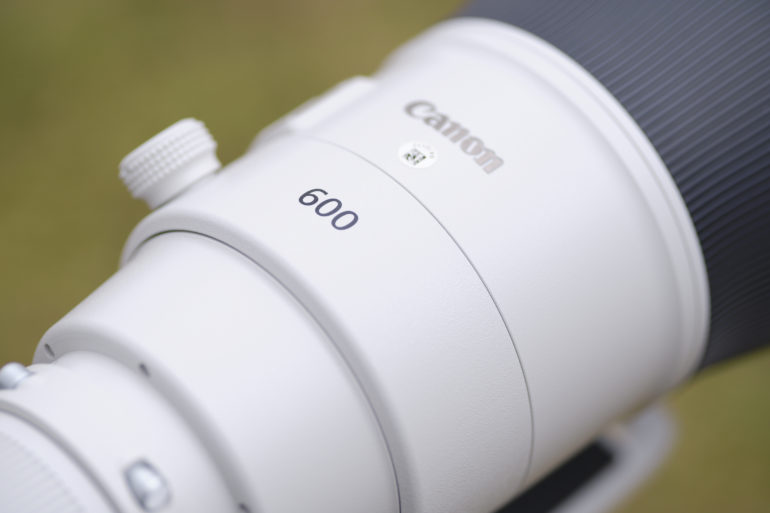
The steady stream of patent filings from Canon offers a fascinating glimpse into the brand’s ongoing commitment to photographic innovation, and this latest batch is particularly noteworthy. While the technology world often fixates on camera bodies, it’s the lens that truly shapes an image, and these patents suggest Canon is actively exploring new design possibilities. The inclusion of a 20-60mm f/2 zoom, described as having a “rather odd design,” immediately piques interest. This focal range is often favored for street photography and environmental portraits, and a constant f/2 aperture would offer exceptional low-light performance and pleasing bokeh. It's intriguing to consider how Canon is approaching this combination, especially given the challenges of maintaining image quality across such a wide zoom range at a fast aperture. This development aligns with a broader trend of manufacturers pushing the boundaries of lens design, as seen in unconventional approaches explored by others – like the recent experimentation with camera technology integrated into everyday objects, as documented in [Street Photographer Shoots ‘Weird’ Photos on Dyson’s New CameraJet Toothbrush]. The evolution of mobile photography also demonstrates a desire for advanced optics in increasingly compact forms, exemplified by the photographic capabilities of devices like the [Poco F9 Ultra Hands-On: A Photographer’s Take on Poco’s 200MP Flagship Phone], which showcases the advancements in smartphone lenses.
The other lenses detailed in the filings—70-135mm f/2, 200-400mm f/4, and 70-300mm f/4—represent more conventional, yet still valuable, additions to Canon’s lens lineup. The 70-135mm f/2, for example, would be a highly desirable portrait lens, offering a versatile focal range and a fast aperture for creating shallow depth of field effects. The longer zoom options, particularly the 200-400mm f/4, cater to wildlife and sports photographers, providing reach without sacrificing too much light-gathering ability. What’s significant here isn’t just the individual lenses themselves, but the cumulative effect of these patents. They illustrate Canon's intent to maintain a comprehensive lens ecosystem for its users, ensuring that photographers have a wide range of options to suit their specific needs. The enduring popularity of established systems, as evidenced by the continued dominance of models like [The Sony a7 V Has Been Topped the Charts for 7 of the First 8 Months of 2026], underscores the importance of offering a robust and evolving lens selection.
Beyond the specific technical specifications, these patents speak to a broader shift in the photographic landscape. The rise of computational photography and AI-powered image processing has, to some extent, lessened the dependence on purely optical quality. However, a truly exceptional lens still delivers a superior starting point, providing better sharpness, contrast, and overall image quality that is less susceptible to the limitations of digital manipulation. Canon’s investment in these new lens designs suggests an understanding of this enduring truth and a desire to provide photographers with the highest-quality tools available. It’s a move that reinforces Canon’s position as a leading manufacturer of professional photographic equipment, catering to both established professionals and discerning enthusiasts. The emphasis on zoom lenses also reflects the modern photographer’s preference for versatility, allowing them to adapt to a wider range of shooting situations without changing lenses.
Ultimately, the question becomes: how quickly will these patents translate into commercially available lenses? Patent filings don't always result in finished products, but the sheer volume and variety of these filings suggest a serious commitment to lens development within Canon. The unique design of the 20-60mm f/2 lens, in particular, will be closely watched by the photographic community. Will it represent a genuine breakthrough in lens technology, or a more incremental refinement of existing designs? The answers to these questions will shape the future of Canon’s lens lineup and influence the choices of photographers for years to come.
Read on the original site
Open the publisher's page for the full experience