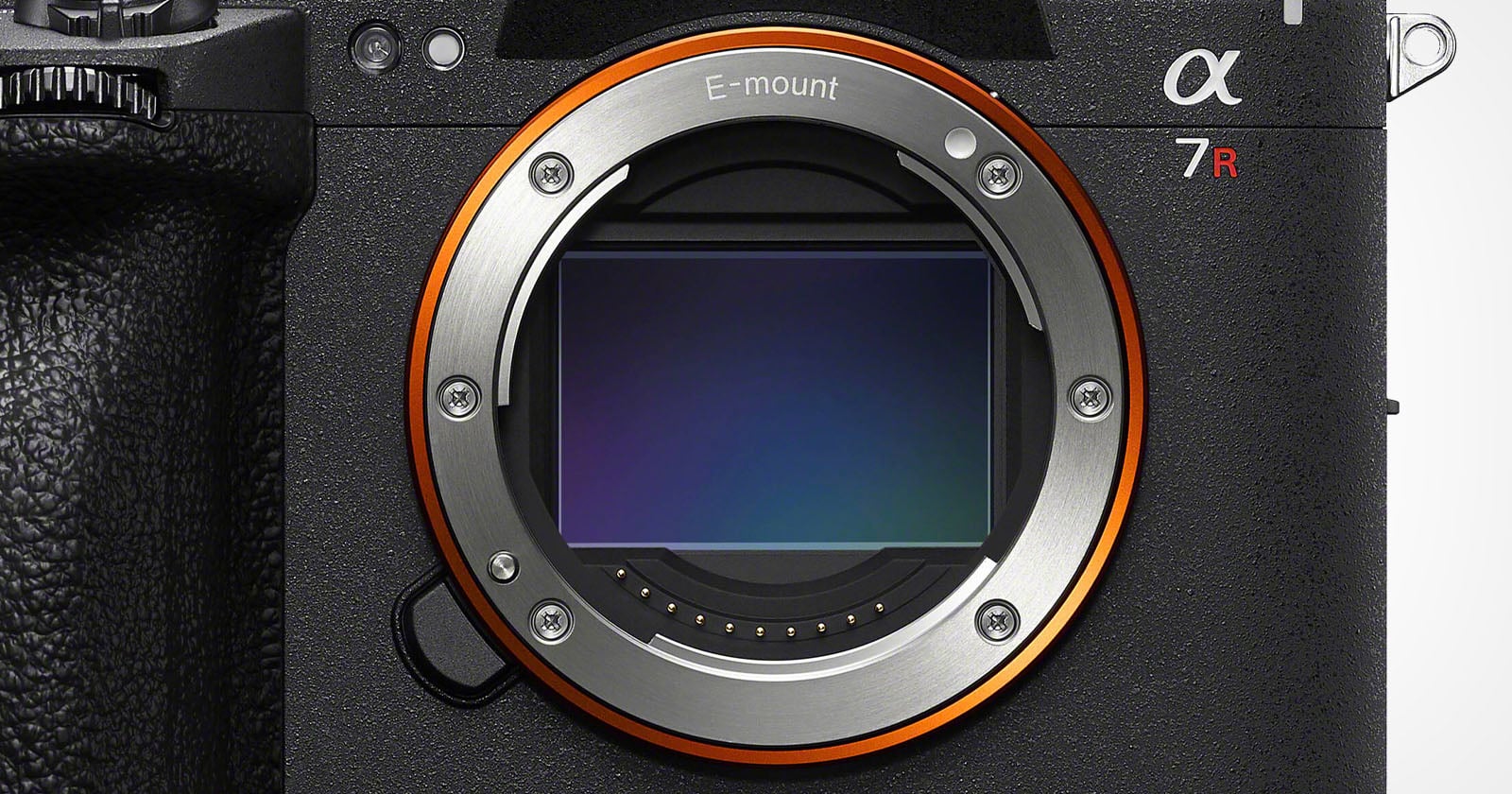
There is a quiet poetry to a mount that invites the world in, only to reveal who it considers family. Sony's published list of E-Mount License Partners reads less like a technical directory and more like a curated guest list for an exclusive gathering. The disclosure that these are companies "which satisfy the qualification criteria predefined by Sony" tells us something important: this is not an open door, but a velvet rope. For every Sigma and Tamron that feels like a natural fit, there are notable absences that make you wonder about the conversations happening behind closed doors. The ecosystem has always felt expansive, almost generous in its embrace of third-party glass. But this list, with its deliberate inclusions and telling exclusions, suggests that the openness we admired is actually a carefully managed aesthetic.
For our readers, the practical takeaway is less about who is on the list and more about what the list means for your next lens purchase. When Sony controls the basic specifications and doles them out selectively, it creates a two-tier system. There are the insiders, who get the keys to the full technical blueprint, and then there are the others, who are left to reverse-engineer or partner through alternative arrangements. This is not a judgment on the quality of third-party lenses; some of the most inspired optics we have seen come from independent makers. But it does mean that when you buy into the E-mount system, you are also buying into Sony's vision of who should be playing in their sandbox. If you are a creative who loves mixing vintage glass with modern bodies, or a hybrid shooter who relies on a specific autofocus algorithm, this list is a subtle warning: your access may depend on factors beyond the lens itself.
What would we tell a reader who asked us about this? We would say, look closer at the exclusions, because they are the real story. The absence of certain well-known names from the official list does not mean their lenses stop working, but it does mean they are operating without the same official blessing. That can affect firmware updates, future compatibility, and even how well the camera's stabilization communicates with the lens. It is the difference between a collaboration and a coincidence. Sony is not trying to shut anyone out entirely; they are curating the experience to protect a certain standard of performance and aesthetic cohesion. But for the artist who thrives on unexpected combinations, this curated control can feel less like guidance and more like a constraint.
The concrete point to watch is simple: the next time you see a new third-party E-mount lens announced, check whether the maker is on this list. If they are not, ask yourself what that means for the long-term relationship. Sony has drawn a line, and while it may be invisible in the viewfinder, it will show up in the details. We would encourage you to support the rebels and the independents, but do so with open eyes. The mount is a promise, and Sony has just told us who they intend to keep it with. For now, the most interesting question is not who is in, but who will be brave enough to stay out and thrive anyway.