Instagram is Waking Up to the Fact That People Don’t Like Being Tricked by AI Creators
Our take
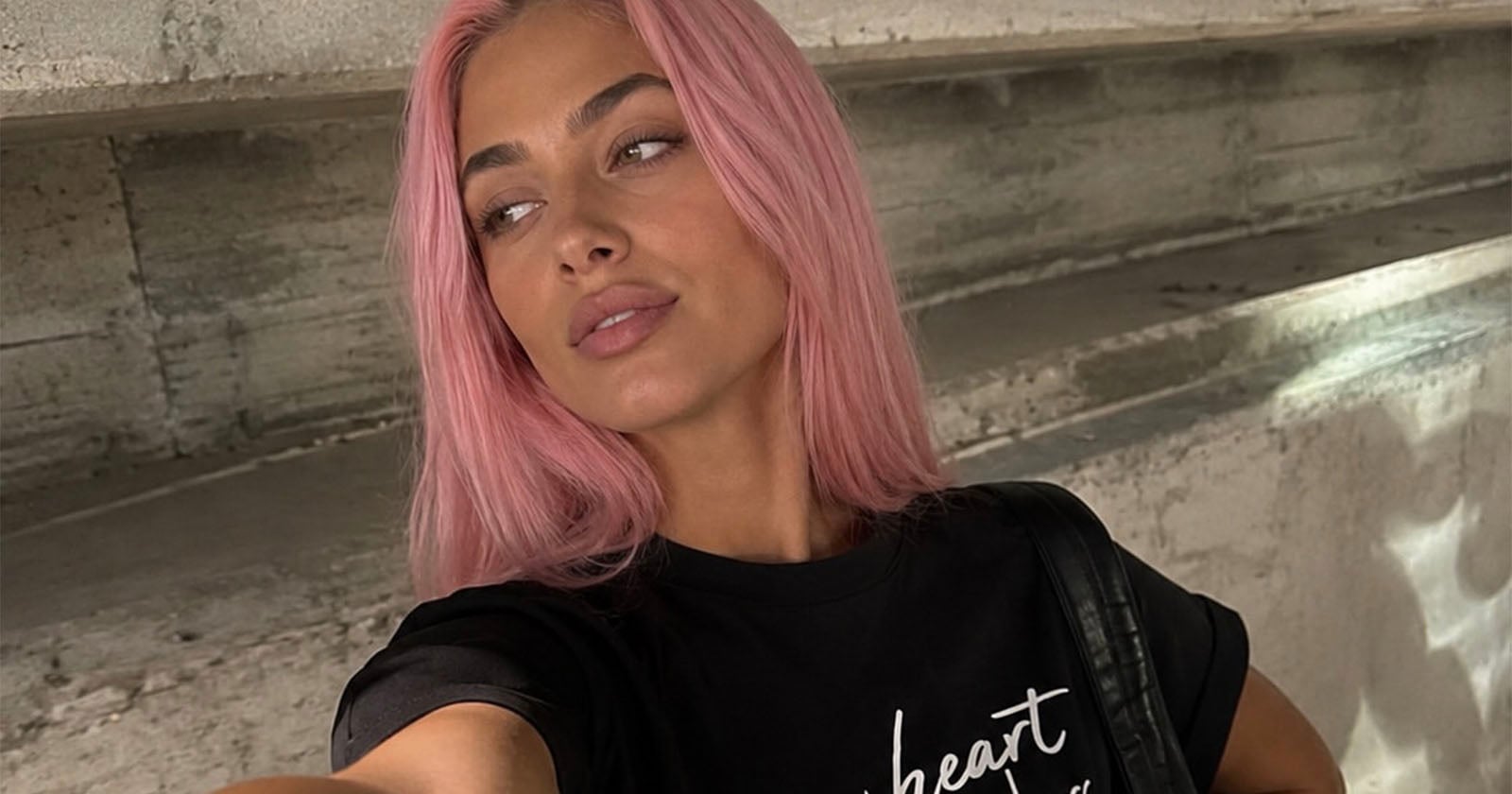
The recent announcement from Instagram regarding its crackdown on AI-generated content creators posing as authentic individuals marks a pivotal moment in the evolving landscape of social media and creative authenticity. For our audience – individuals deeply invested in artistic expression, curated aesthetics, and genuine connection – this shift is particularly resonant. We’ve long championed the value of authentic storytelling and the power of human creativity, and the rise of these deceptive AI personas threatened to erode that foundation. It’s a trend that mirrors the broader anxieties surrounding the proliferation of AI in creative fields, a concern we’ve previously explored in articles like [Godox Unveils a Customizable Pixel Art Light You Put On Your Camera] and [OmniCore Is An All-Flash NAS That Uses AI to Search Your Photos], both showcasing how AI is increasingly becoming a tool *for* creators, but also potentially a substitute *of* creators. The distinction is vital.
The core issue isn't necessarily the existence of AI-generated content itself. AI can be a powerful tool for artists, designers, and storytellers, augmenting their capabilities and pushing creative boundaries. However, the deliberate obfuscation of that AI origin—presenting these synthetic personalities as genuine individuals—undermines the trust and transparency that are crucial to a healthy online community. Instagram’s move reflects a growing awareness that users are increasingly discerning, and actively reject the feeling of being misled. This echoes a broader cultural reckoning with the blurring lines between reality and simulation, and the potential for manipulation that these technologies present. The recent controversy highlighted in [Wedding Photographer Accuses Second Shooter of Goofing Off and Causing a Scene] demonstrates how even in traditionally human-driven fields like photography, trust and authenticity are paramount. The rise of these AI personas risks extending that erosion of trust to the entire digital space.
What makes this Instagram action particularly significant is its potential ripple effect. Other platforms, facing similar challenges, are likely to follow suit, establishing clearer guidelines and enforcement mechanisms to combat deceptive AI practices. This isn't about stifling innovation; it’s about safeguarding the integrity of online interactions and preserving the value of authentic human connection. The curated aesthetic that many of our readers strive for – a reflection of their personal style, values, and creative vision – is predicated on a foundation of honesty and transparency. The introduction of AI-generated personas, presented as genuine individuals, introduces an element of artificiality that fundamentally clashes with that ethos. It diminishes the value of the effort, skill, and unique perspective that real creators bring to the table.
Ultimately, this development begs the question: how do we navigate the increasing integration of AI into creative spaces while preserving the essence of human artistry and authentic connection? The answer likely lies in embracing AI as a tool, rather than a replacement, and fostering a culture of transparency where the origins of content are clearly disclosed. Instagram’s move is a step in the right direction, but ongoing vigilance and open dialogue will be essential to ensure that the digital landscape remains a space where creativity flourishes, and authenticity is valued above all else.
AI-generated content creators that masquerade as real humans have soared in recent years and now Instagram is making a move against them.
Read on the original site
Open the publisher's page for the full experience