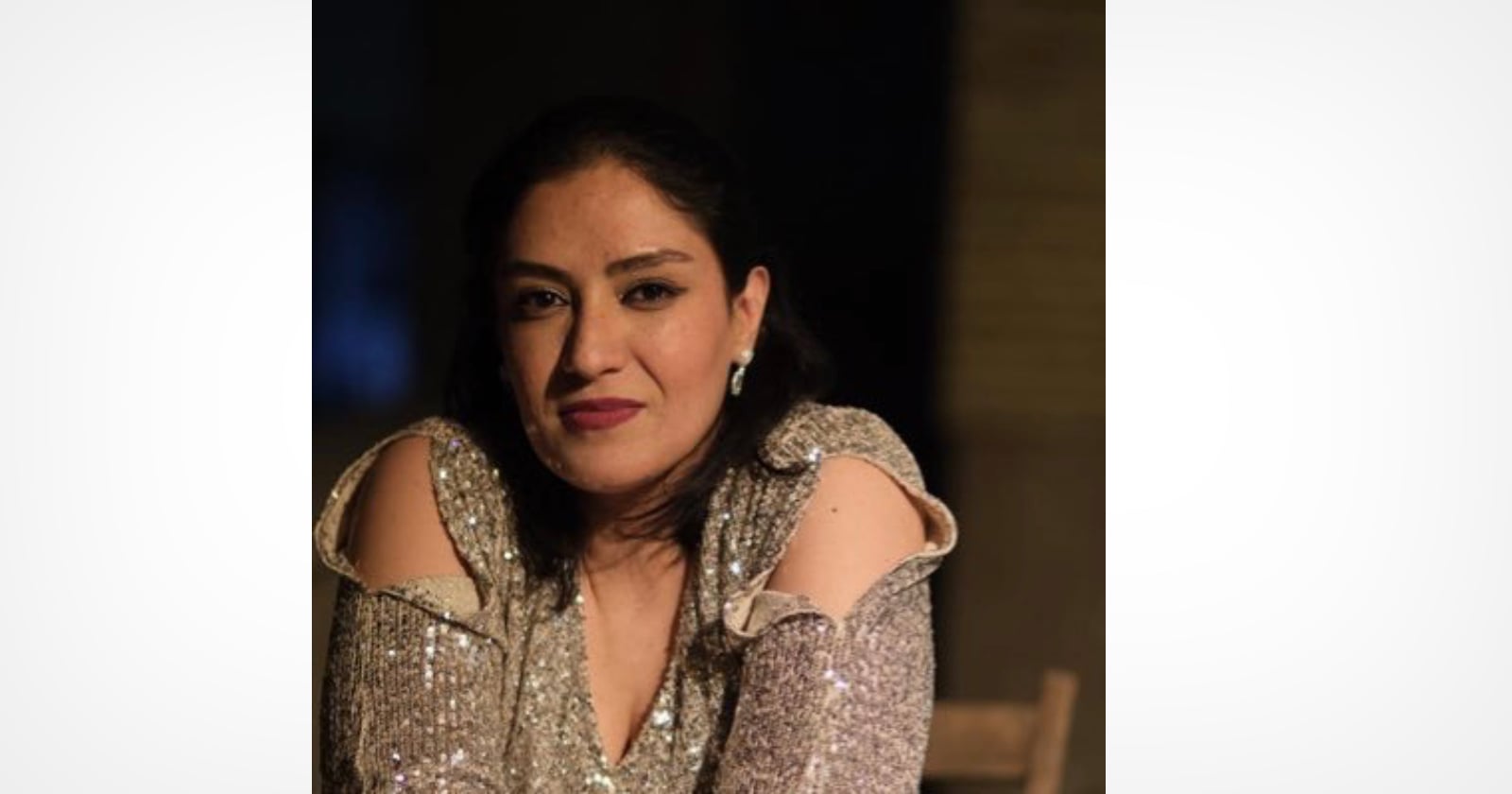
The news out of Iran lands like a hard cut in the middle of a beautiful sequence: two female photographers, one a prominent photojournalist and the other a young artist barely out of her teens, have been sentenced to a combined 24 years in prison. Their crime, as far as we can tell, is seeing clearly and having the courage to frame what they observe. For a publication that spends its days celebrating the artistry of the lens, from the celestial wonders of astrophotography to the community spirit of street photography, this is not an abstract geopolitical headline. It is an attack on the very act of looking, and it should stop us all mid-scroll.
We often talk about photography as a pursuit of beauty, a way to curate moments of light and shadow, as we do when we follow a Capturing Cosmic Beauty: An Astrophotography Journey with Nikon or lose ourselves in the vibrant chaos of a festival like the 5 Boro Foto Fest. But this story is a stark reminder that the camera is never just a tool for aesthetics; it is a witness. It holds power not because it flatters, but because it records. When a government silences a photographer, it is not just punishing an individual; it is trying to erase a version of reality that it cannot control. It is the polar opposite of the immersive, aspirational world we like to build here, and it is a privilege to even be able to complain about our own creative blocks when others are imprisoned for the same passion.
Our take is simple: this is a loss for all of us, but more importantly, it is a chilling message to every artist who believes their work exists in a vacuum. We would tell our reader who asks about this that the practical takeaway is to understand that your art is never neutral. It is a declaration of what you find worth seeing. While we might admire the technical skill of a well-composed portrait or the timing of a street scene, we must also recognize that in many parts of the world, the act of pressing the shutter is an act of defiance. The contrast with our own stories, like the one about a photographer who fell from grace over a $4.6 million scam, is glaring: we live in a world where the worst consequence for a photographer is often legal and financial ruin, not the loss of a lifetime behind bars. That discomfort is worth sitting with.
The question we are left with is not whether these women will be released, but what their silence will cost the rest of us. Who will be left to document the moments that matter when the price of a single frame is measured in years? We should all be paying attention, not just for the outrage, but for the example they set: they valued their truth over their comfort. That is a standard we should all aspire to, even if we never face their consequences. The specific detail to watch is how the international arts community responds, because if we do not speak up for the ones who cannot shoot, our own shutter clicks begin to sound hollow.