Is the 28mm Lens Better Than the 35mm? Let’s See
Our take
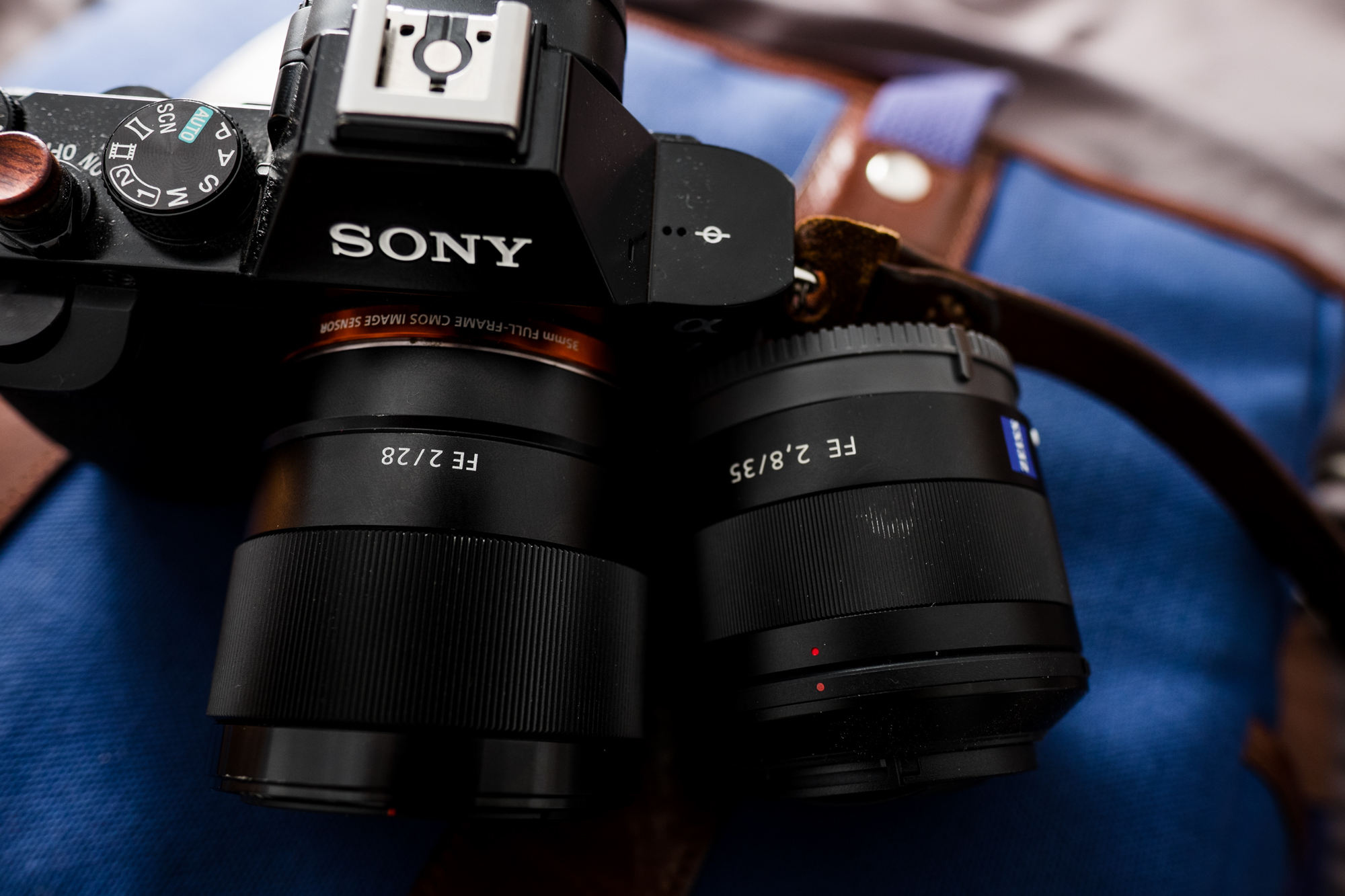
## Our Take: The Enduring Debate – 28mm vs. 35mm and the Pursuit of Photographic Vision The perennial question of 28mm versus 35mm lenses – is one that echoes throughout the photographic community, and rightfully so. As the article Is the 28mm Lens Better Than the 35mm? Let’s See correctly points out, the "best" lens is inherently subjective. However, the query’s persistence speaks to a deeper desire for validation and a search for guidance, especially among those developing their photographic eye. It’s a conversation that transcends mere technical specifications; it's about understanding how different focal lengths shape perception and ultimately, the narrative a photographer wishes to convey. Both 28mm and 35mm have a rich history, favored by masters across genres – from street photography and documentary to portraiture and landscape. Think of Henri Cartier-Bresson’s decisive moments captured with a 35mm, or the expansive urban landscapes often documented with a wider 28mm. Recognizing the foundational role of these lenses highlights the enduring power of simplicity and quality in photographic tools, a theme explored further in The Best Prime Lenses for Fujifilm X Series. This isn't about chasing the newest, most complex piece of equipment; it's about mastering the fundamentals and harnessing the unique characteristics of a well-chosen lens. The core of the debate lies in the field of view each offers. The 28mm provides a wider perspective, allowing a greater amount of the scene to be included within the frame. This can be incredibly useful for capturing environmental portraits, depicting the context surrounding a subject, or conveying a sense of expansiveness in landscapes. It lends itself to a more immersive, almost cinematic feel, often incorporating more of the environment and creating a greater sense of depth. Conversely, the 35mm offers a slightly more intimate perspective. It’s often described as being closer to human vision and is favoured for its ability to isolate subjects while still retaining some environmental context. Many street photographers appreciate the 35mm for its ability to capture candid moments without being overly intrusive. Understanding these fundamental differences isn't just about memorizing technical specs; it's about cultivating a visual vocabulary and consciously choosing the lens that best serves the desired aesthetic. The article’s emphasis on personal preference isn’t a cop-out; it's a powerful reminder that photographic tools are extensions of the photographer's vision, not replacements for it — a concept echoed in How to Choose the Right Focal Length for Any Situation. Beyond the technical distinctions, the choice between 28mm and 35mm often reflects a photographer's artistic temperament and the stories they wish to tell. A photographer drawn to capturing the grand sweep of urban life or the vastness of natural landscapes might gravitate towards the 28mm. They are looking to immerse the viewer in the scene, to convey a sense of scale and place. A photographer focused on capturing intimate portraits or fleeting moments of human connection might find the 35mm more suitable. They are looking to draw the viewer closer, to create a sense of intimacy and connection. It's worth considering that the advent of high-resolution sensors has blurred the lines somewhat; the differences in perspective are less pronounced than they once were, allowing photographers to crop and recompose with greater flexibility. However, the inherent characteristics of each focal length still influence the initial composition and the overall feel of the image. Ultimately, the best approach is experimentation – spending time with both lenses to discover which aligns more closely with your creative vision. Looking ahead, the ongoing discussion around these classic focal lengths highlights a broader trend in photography: a renewed appreciation for simplicity and the power of mastering the fundamentals. With the rise of ever-more-complex camera systems and lens options, many photographers are rediscovering the joy of working with a smaller selection of high-quality tools. The debate between 28mm and 35mm is unlikely to be resolved definitively, and that’s perfectly fine. It’s a conversation that encourages photographers to think critically about their choices, to refine their vision, and to appreciate the enduring power of these two remarkable focal lengths. Will we see a resurgence in photographers embracing a single lens approach, prioritizing mastery over versatility?
Read on the original site
Open the publisher's page for the full experience