Is the Fujifilm X-T4 Still Worth Buying in 2026?
Our take
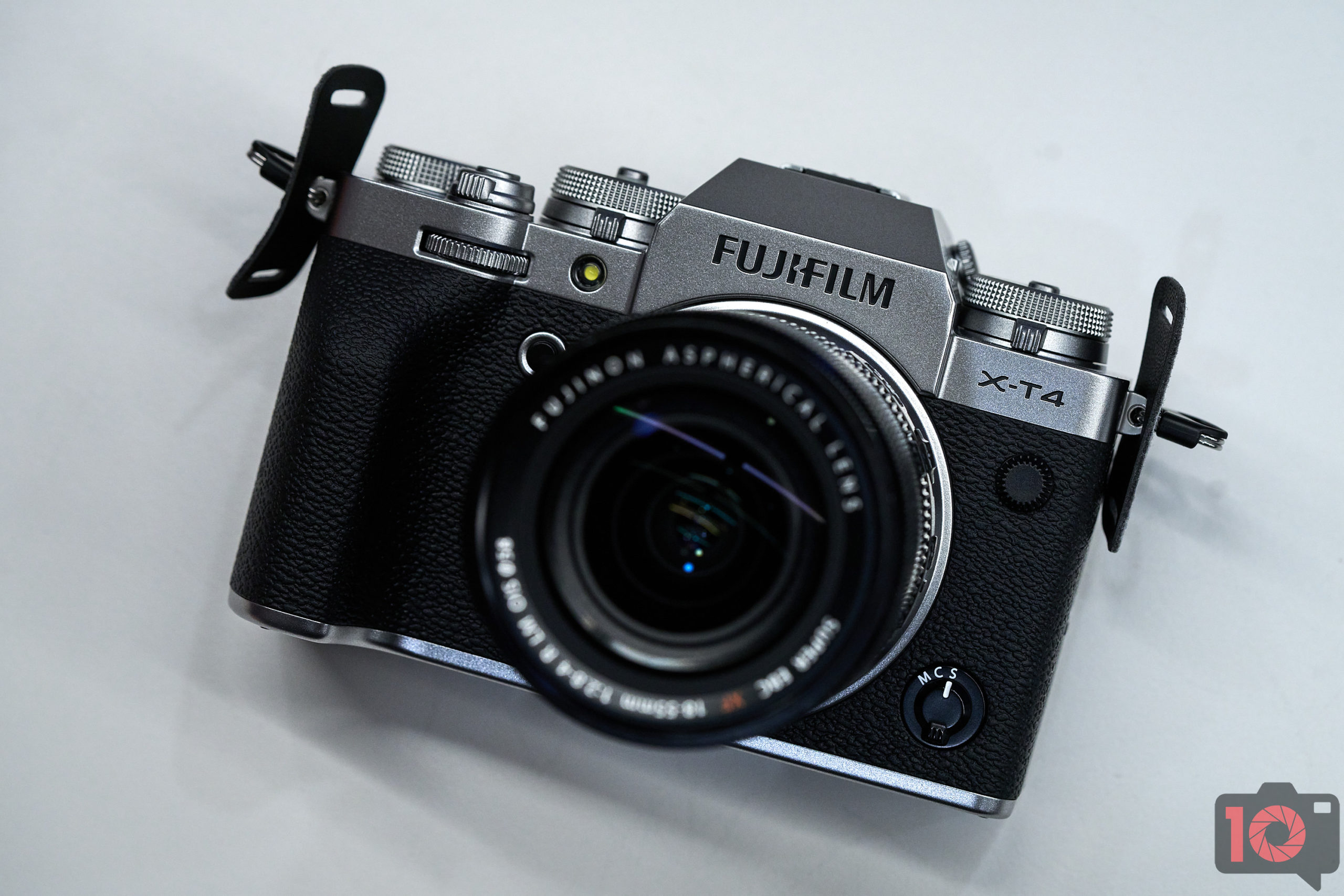
## Our Take: The Enduring Allure of the Fujifilm X-T4 in a Rapidly Evolving Landscape
The question of whether the Fujifilm X-T4 remains a worthwhile purchase in 2026 isn’t a simple yes or no. It’s a testament to Fujifilm’s enduring design philosophy and the surprisingly resilient appeal of a camera that, while not the newest, still offers a compelling blend of classic aesthetics and robust performance. Fujifilm's X-series has carved a unique niche within the camera market, consistently attracting photographers who value tactile controls, exceptional color science, and a distinct visual character. The X-T4, released in 2020, represents a high point in this lineage, and the ongoing discussion around its continued relevance speaks volumes about its inherent quality. For those considering entering the Fujifilm ecosystem, or even upgrading from an earlier model, the X-T4 presents a particularly intriguing proposition, especially given its likely decreasing price point as newer iterations emerge. We’ve previously explored the nuances of Fujifilm’s color science in Fujifilm's Color Science: Why It's Different and the broader appeal of retro-inspired camera designs in The Resurgence of Retro Camera Design, both of which provide context for understanding the X-T4’s lasting appeal.
The core argument for the X-T4’s continued viability rests on several pillars. First, the image quality remains exceptional. The 26.1-megapixel X-Trans CMOS 4 sensor delivers stunning detail and dynamic range, particularly when paired with Fujifilm’s renowned film simulations. These simulations – Provia, Velvia, Astia, and more – offer a unique creative workflow that many Fujifilm users find invaluable, allowing for significant post-processing adjustments or even eliminating the need for them entirely. Second, the X-T4’s build quality is superb. The magnesium alloy body feels solid and reassuring in the hand, and the thoughtfully placed dials and buttons provide a satisfyingly tactile shooting experience – a stark contrast to the often-overly-simplified interfaces of many modern cameras. Finally, the inclusion of in-body image stabilization (IBIS) is a significant advantage, particularly for handheld shooting in low light or when using longer lenses. While newer Fujifilm cameras may boast incremental improvements in autofocus performance or video capabilities, the X-T4’s fundamentals remain remarkably strong, and for many photographers, these improvements simply aren’t worth the price premium. This consideration is particularly relevant given the current economic climate and the increasing cost of professional photographic equipment.
However, it’s crucial to acknowledge the context of a rapidly evolving camera market. Fujifilm has since released the X-T5, offering improvements in autofocus and resolution, and the X-T30 II provides a more affordable entry point into the X-series. The autofocus system on the X-T4, while competent, lags behind the advancements seen in newer models, which could be a significant drawback for those primarily focused on action or wildlife photography. Furthermore, video capabilities, while respectable for its time, have been surpassed by competitors. The X-T4’s video recording is limited to 60p in 10-bit 4:2:2 internally, whereas newer cameras offer higher frame rates and more advanced codecs. Ultimately, the decision to purchase an X-T4 in 2026 will depend on individual priorities and budget constraints. A photographer primarily interested in stills, particularly those who appreciate Fujifilm’s film simulations and a classic shooting experience, will likely find the X-T4 to be an excellent value. Conversely, those prioritizing cutting-edge autofocus or advanced video features might be better served by a newer model. Exploring the differences between the X-T4 and X-T5 in more detail can be helpful, as outlined in Fujifilm X-T4 vs X-T5: Which Should You Buy?.
Looking ahead, the continued popularity of cameras like the X-T4 raises an interesting question: will the trend of iterative upgrades continue to dominate the camera industry, or will we see a shift towards a more sustainable model where cameras are designed to last longer and receive ongoing software support? The X-T4's longevity suggests a desire among photographers for tools that are both durable and capable, defying the constant pressure to upgrade to the latest and greatest model. As environmental concerns and economic realities continue to shape consumer behavior, it’s possible that cameras like the X-T4 – offering a blend of performance, value, and enduring appeal – will become increasingly sought after, proving that sometimes, the best camera is the one you already own.
Read on the original site
Open the publisher's page for the full experience