Is the Original Sony a7 Still Good in 2026?
Our take
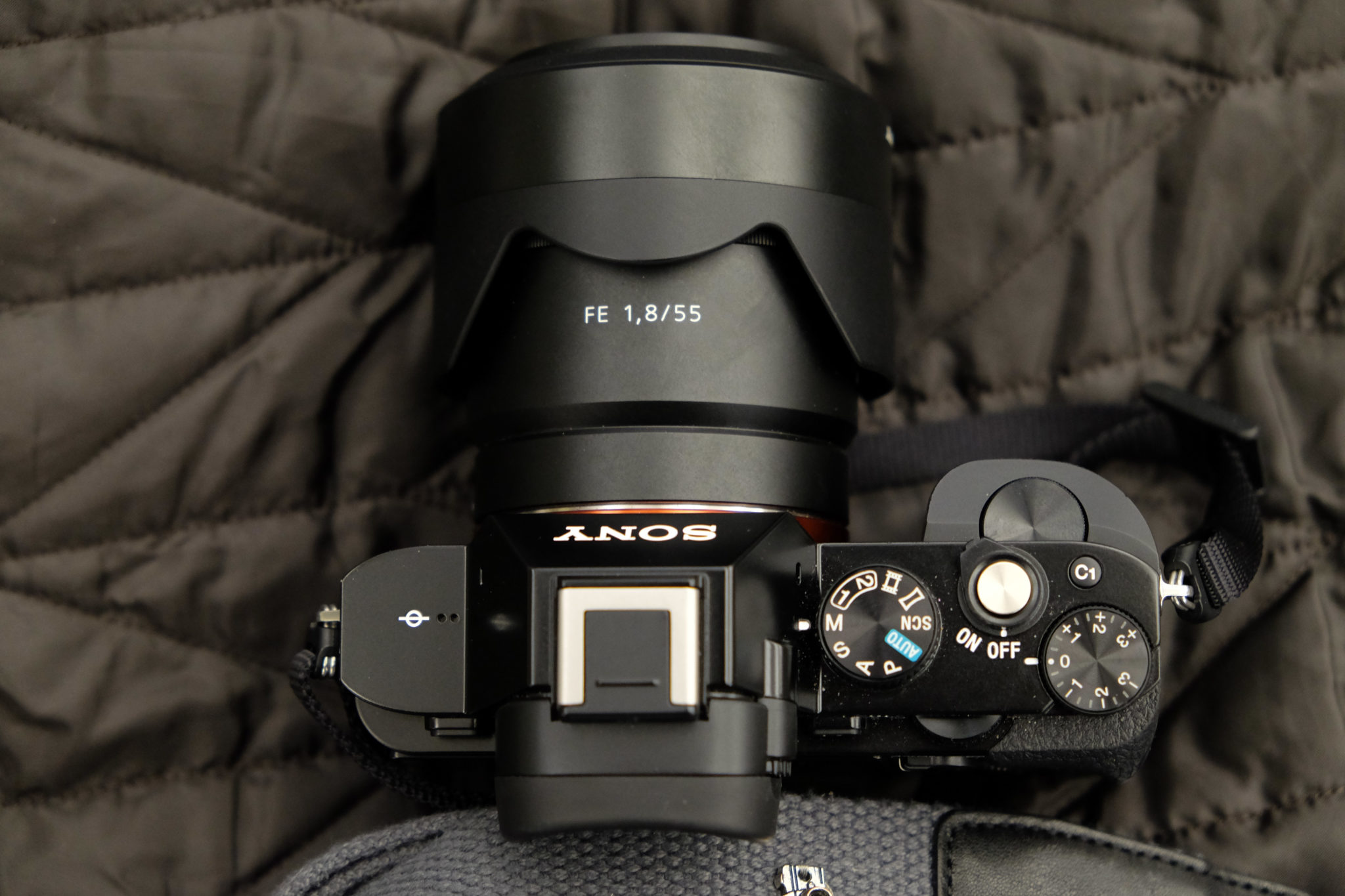
The enduring appeal of legacy technology is a fascinating phenomenon, and the Phoblographer’s recent revisiting of the original Sony a7—now in 2026—is a compelling case study. We've seen similar narratives emerge with other vintage equipment; consider the resurgence of interest in film photography, or the surprising staying power of cameras like the Flashback 35 V2, which we recently highlighted as one of the best compact cameras The Flashback 35 V2 Just Became one of the Best Compact Cameras. The a7's continued relevance isn't about competing with the latest technological marvels—the iPhone 16’s accidental underwater filmmaking capabilities iPhone 16 Falls Into the Sea, Films Fish and Its Own Rescue demonstrate how far camera technology has advanced—but rather about its unique character and the specific aesthetic it produces. It's a testament to the idea that innovation isn’t always about chasing the newest features, but about appreciating the qualities that time can refine.
The article’s core observation—that the a7 has become a “specialized tool” yielding images the photographer is “super happy about”—resonates deeply with the creative process. Often, the pursuit of ultimate performance leads to homogenization. Modern cameras, while objectively superior in many ways, can deliver images that feel… sterile. The original a7, with its quirks and limitations, forces a different kind of engagement. It demands a more deliberate approach, a deeper understanding of light and composition, and a willingness to embrace the unexpected. This constraint, rather than being a hindrance, can be a catalyst for creativity. It’s akin to a musician choosing a vintage instrument—the instrument's imperfections become part of its voice, shaping the music in a way a pristine, modern model simply couldn’t. The ability to still acquire and utilize equipment like this speaks to a broader trend of photographers seeking tools that offer unique artistic expression, even if it means foregoing some of the conveniences of newer models.
The continued use of the a7 also highlights the importance of the photographer's vision over sheer technical capability. While a modern mirrorless camera might offer significantly higher resolution, faster autofocus, and improved dynamic range, these advantages are ultimately meaningless without a skilled and creative eye behind the lens. The Phoblographer’s experience underscores that a camera is merely a tool, and its true potential is unlocked by the photographer's ability to see the world in a unique way and translate that vision into compelling imagery. This is further emphasized when considering the broader market, where even seemingly simple items like World Cup jerseys Here’s Where You Can Buy World Cup Jerseys Before the Next Match are valued not just for their function, but for the cultural and emotional connection they represent.
Looking ahead, it’s likely we'll see more photographers embracing older, specialized cameras like the Sony a7. The relentless pace of technological advancement can be overwhelming, and there's a growing desire for tools that offer a more tactile, deliberate, and ultimately, more personal creative experience. The question isn’t whether these cameras are “good” by modern standards—they clearly aren’t—but rather what unique artistic possibilities they unlock, and how photographers can leverage their limitations to create truly distinctive images. Will this trend lead to a renewed appreciation for the artistry inherent in photography, or will it remain a niche pursuit for those seeking an alternative to the mainstream?
Read on the original site
Open the publisher's page for the full experience