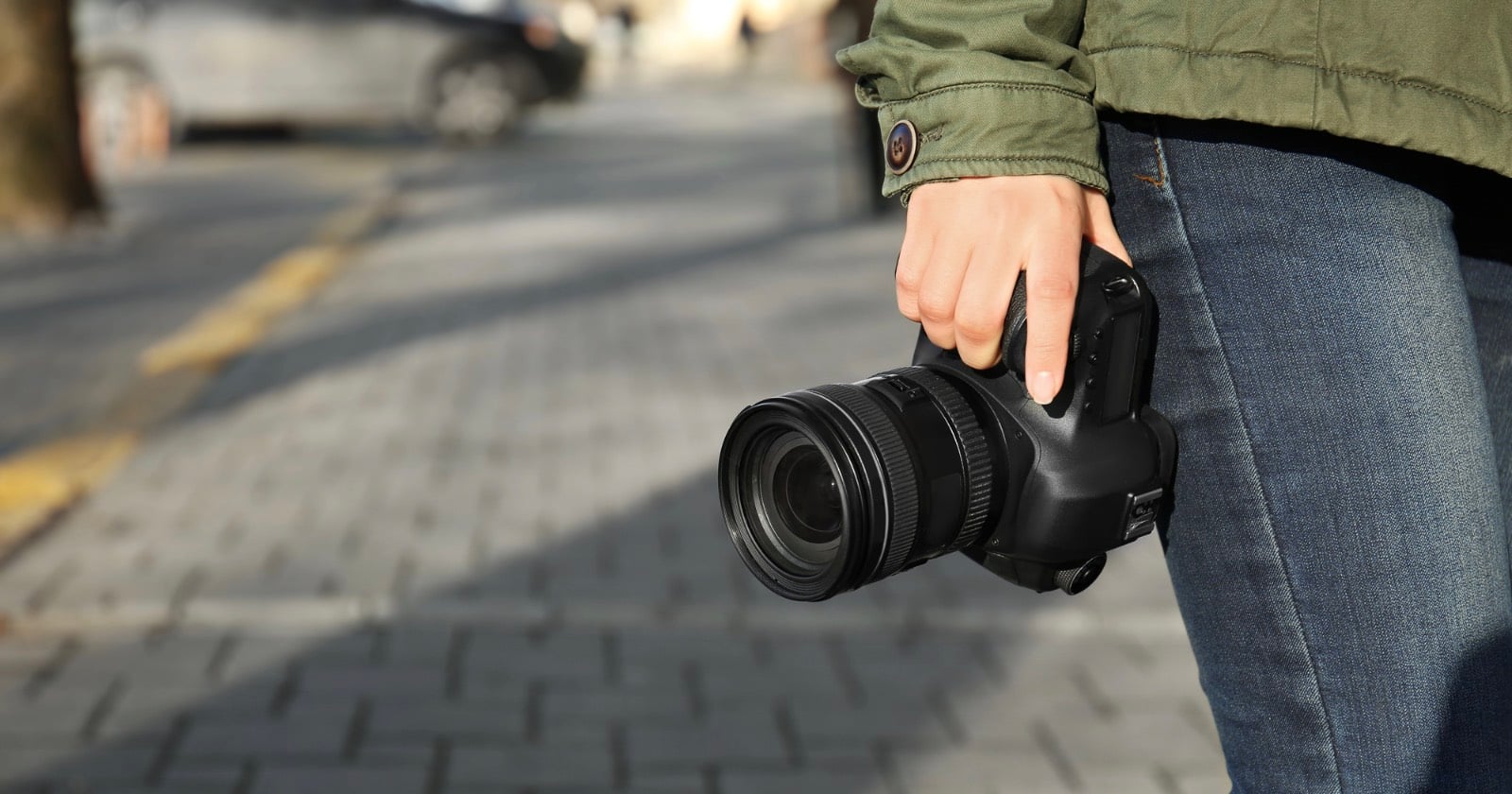
A photographer has been awarded damages by the European Court of Human Rights after being strip-searched by Greek police. The ruling is a rare moment where the act of bearing witness was itself witnessed by justice. For anyone who has ever held a camera in a public space, this story lands with a particular weight. It is not about a single bad interaction; it is about what society permits when the person behind the lens is treated as a threat rather than a recorder. This connects directly to a piece we recently published on The Elegant Power of What We Leave Unseen in Every Frame, which argues that the most potent images are often those that imply rather than expose. Here, the court has essentially ruled that the state's attempt to forcibly expose the photographer was a violation of that same principle, a violation of her right to keep something unseen.
Our take is straightforward: this verdict validates a truth that creative professionals and health-conscious individuals alike understand intuitively. The body is not a public object simply because it exists in a public space. Whether you are a photographer documenting a protest or a yoga practitioner moving through a park, the dignity of your personhood does not dissolve when you step outside. The court's decision affirms that the state's power to search must be balanced against the individual's right to privacy, even when that individual is carrying a tool designed to capture others. It is a reminder that authenticity and respect are not luxuries; they are legal protections. Compare this to the story of The Lens Behind Yellowstone's Oldest Wolf Falls Silent at 65, where a wildlife photographer spent decades observing without interference. That photographer earned trust by staying still. The Greek authorities, by contrast, acted as if observation itself was an offense.
What does this mean for you, our reader? If you create, if you move, if you curate your life with intention, you should know that the legal framework is slowly catching up to the cultural instinct that dignity matters. The specific takeaway to quote: "The right to create does not cancel the right to be treated with humanity." This ruling does not end invasive searches, but it draws a line. It says that a camera strap does not dissolve your constitutional protections. For those of us who believe that fitness, beauty, and fashion are expressions of selfhood rather than invitations for scrutiny, this is a small but significant victory. The court did not just award damages; it named the harm. That naming is itself a kind of frame, one that future photographers can hold up when their own dignity is questioned. Watch how this precedent influences other European cases, because the conversation about who gets to look and who gets to be seen is far from finished.