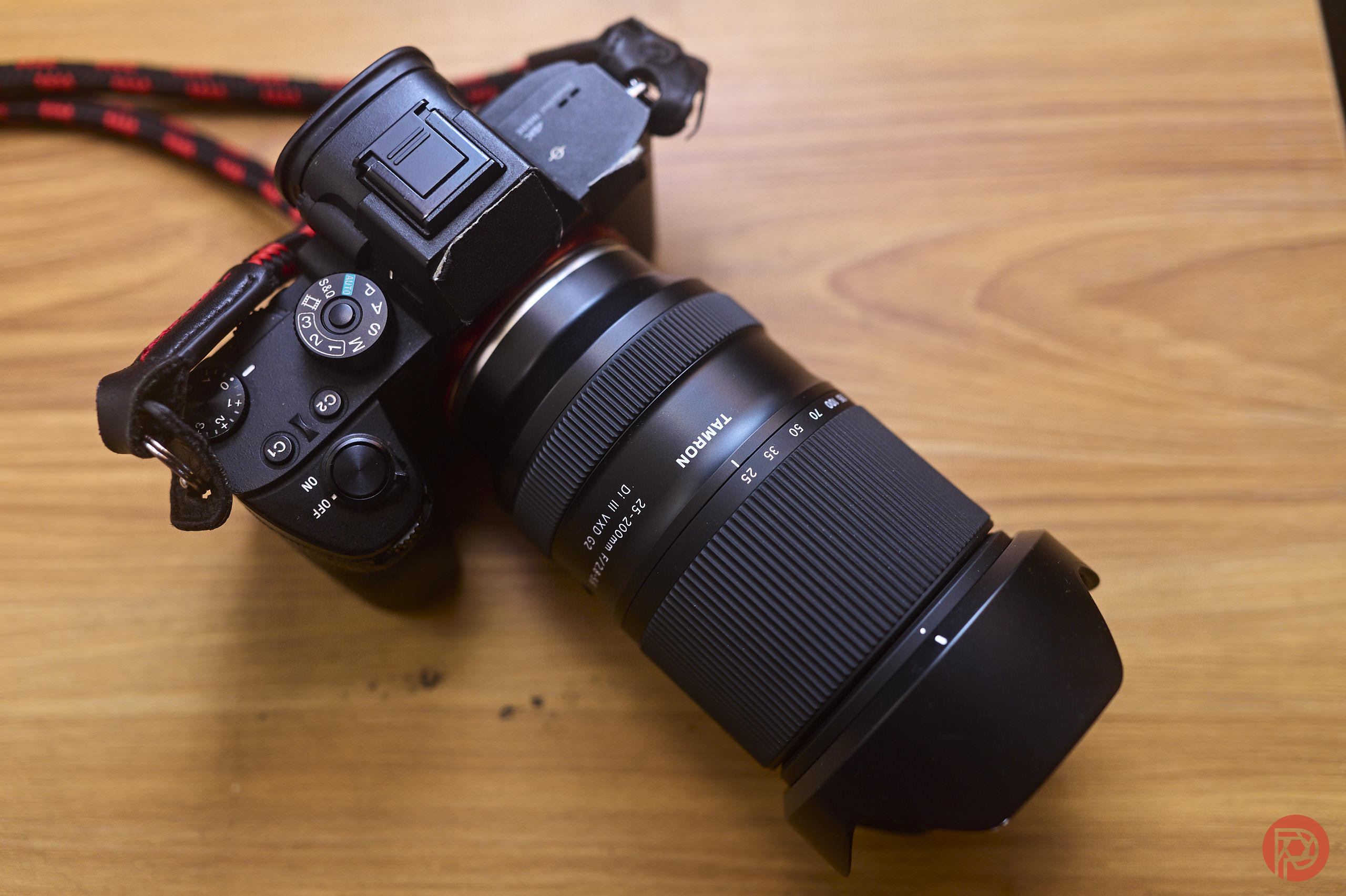
There's something quietly radical about a lens mount that asks its rivals to play nice. The photographer behind this piece has spent years inside the L-mount alliance, and their enthusiasm is contagious. They're a stills shooter, someone who doesn't care about video specs or frame rates, and yet they've found a system that keeps delivering where it counts. That matters. When a photographer who ignores half the camera market's marketing bullets still feels spoiled by autofocus, live composite, and multiple exposure RAW, you're not just hearing about another tech spec. You're hearing about a philosophy. And in an industry where brand loyalty often feels like a hostage situation, the L-mount's promise to not sabotage one another is worth pausing over.
What strikes us most is the quiet confidence in that observation. Sony, Canon, and Nikon have built their empires on proprietary mounts, each a locked garden that forces you to commit your glass and your future to one company. The L-mount alliance, by contrast, openly invites Leica, Sigma, Panasonic LUMIX, and Viltrox to share the same physical space. For the working photographer, that means your body can be a Panasonic, your primes can be Sigma Art glass, and your walk-around lens can be a Leica, all without adapters or autofocus compromises. That's not just convenience; it's freedom. And for anyone who's ever stared at a lens lineup and wondered if they were buying into a dead end, that freedom is the difference between a system you trust and a system you tolerate.
We'd tell any reader on the fence about L-mount to look at the trajectory, not just the current lineup. The alliance has already pulled in Samyang, even if their presence has been more whisper than roar. But the real signal is Tamron. If Tamron joined, the industry would feel it. That's not hyperbole; it's arithmetic. Tamron has built a reputation for compact, high-performing zooms and primes that punch above their price class. Their addition would fill the gaps in the L-mount lineup with the kind of practical, everyday glass that working photographers actually buy. It would also send a message to every other manufacturer still hoarding their mount like a jealous gatekeeper: the future is open. We're not saying the alliance is perfect, and yes, there are still questions about long-term support and firmware commitment. But the direction is clear, and direction matters more than any single body or lens.
Here's the concrete takeaway we'd offer: if you're a stills photographer tired of betting your entire kit on one company's roadmap, the L-mount is the most honest bet on the table right now. Watch what Tamron does over the next twelve months. Their entry would not just add a few lenses; it would signal that the alliance has reached critical mass, a tipping point where the mount itself becomes the brand. And when that happens, the question won't be why you should switch. It'll be why you waited so long to give yourself the same option.