Leica Sells ‘Twice as Much or Even More’ Q Cameras Than M Rangefinders
Our take
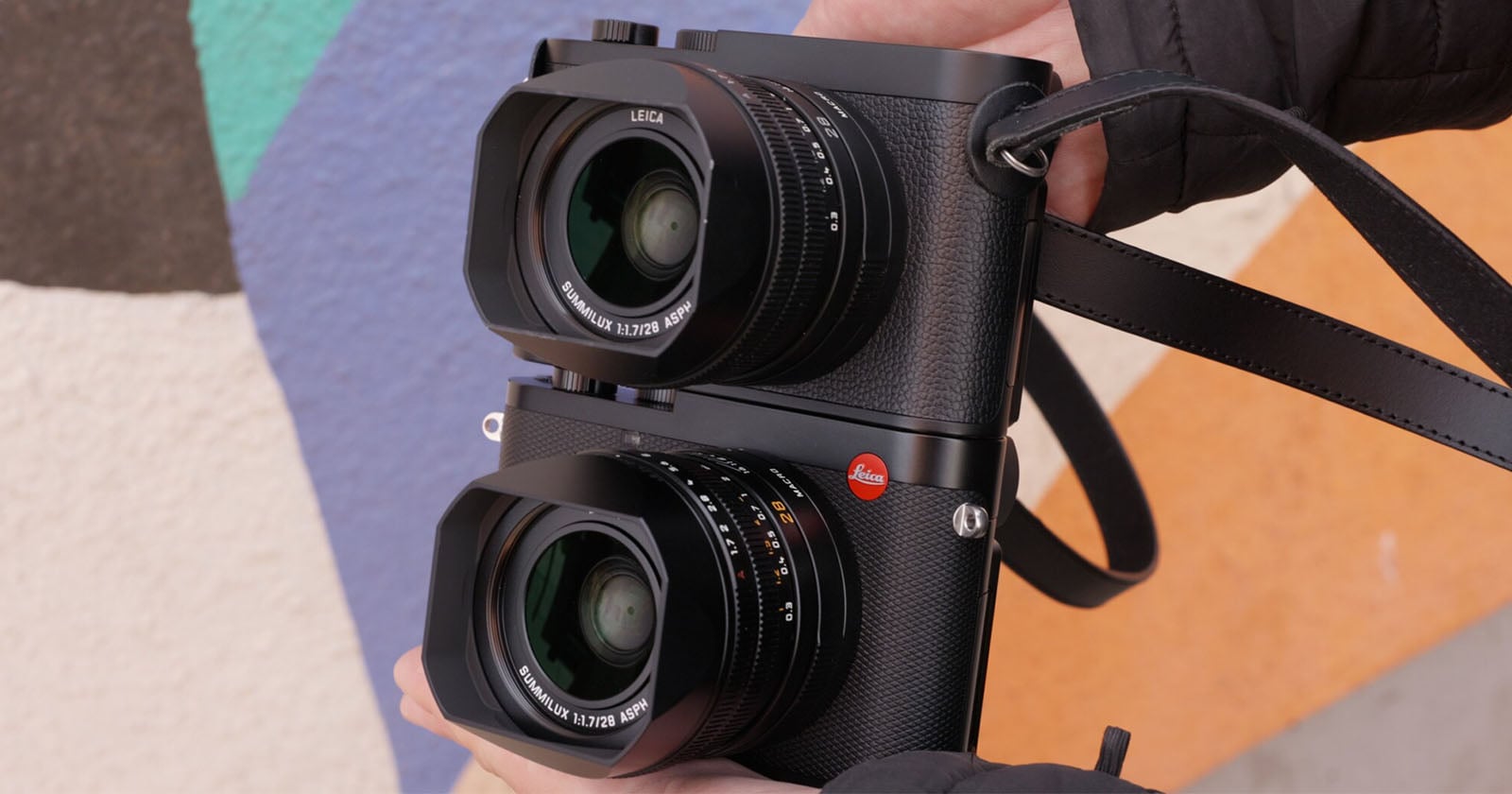
The news from Leica, delivered alongside the unveiling of the SL3-P, is a fascinating, and perhaps somewhat surprising, development for those deeply entrenched in the brand’s storied history. The revelation that the Q-series compact cameras are outselling the iconic M-system rangefinders isn’t merely a shift in sales figures; it speaks to a broader evolution in the photographic landscape and Leica's strategic adaptation to it. For years, the M-system, with its meticulous build quality, manual focus lenses, and inherent connection to the art of photography, has represented the very essence of Leica. It’s a system steeped in tradition, revered by photojournalists and artistic purists alike. Yet, the Q's all-in-one convenience, combined with exceptional image quality and a distinct Leica aesthetic, clearly resonates with a wider audience. This isn’t about Leica abandoning its heritage – the M-system remains vital to their identity – but rather acknowledging and catering to a new generation of photographers who value simplicity and immediacy without sacrificing quality. Consider the appeal of the Fujifilm X100V Fujifilm X100V, another camera that blends classic design with modern technology, and you see a similar trend toward accessible luxury.
The Q’s success likely stems from several factors. Firstly, its fixed 28mm f/1.7 Summilux lens, while limiting in terms of versatility compared to the M system’s vast lens selection, provides a consistently pleasing perspective and simplifies the shooting process. This appeals to photographers who want to focus on composition and moment rather than being bogged down in technical settings. Secondly, the Q’s integrated electronic viewfinder (EVF) and advanced autofocus system offer a level of performance that many traditional rangefinder users find appealing. While the M system’s rangefinder focusing has its own charm and artistic merit, it’s undeniably less forgiving than modern autofocus systems, especially in challenging lighting conditions. The Q democratizes Leica image quality, making it accessible to a broader range of skill levels. Finally, the rise of street photography and the increasing popularity of mobile photography have created a demand for compact, high-quality cameras that can be easily carried and used discreetly. Leica’s Q series perfectly fills this niche. The shift also reflects a broader trend in the camera market, where mirrorless systems and compact cameras with advanced features are gaining ground on traditional DSLRs and even rangefinders, as evidenced by the continued success of Sony’s Alpha series Sony Alpha.
What’s particularly insightful about this data is what it reveals about Leica’s customer base. While the M-system continues to attract dedicated enthusiasts and collectors, the Q series appears to be drawing in a more diverse group of buyers—individuals who appreciate the Leica brand and its commitment to quality, but who may not be as invested in the traditional photographic rituals associated with the M system. These are individuals who value a premium product that delivers exceptional image quality and a satisfying user experience, but who also prioritize convenience and ease of use. The SL series, with its interchangeable lenses and more robust features, likely appeals to a similar demographic – those seeking a blend of performance and luxury in a more versatile package. This diversification is a smart business move for Leica, allowing them to tap into new markets and sustain growth in an increasingly competitive industry. They’re skillfully balancing their heritage with the demands of a modern audience.
Looking ahead, the question becomes: how will Leica continue to navigate this evolving landscape? Will they further refine the Q series with new models and features, or will they focus on expanding the SL and M systems to cater to different niches? The continued success of the SL3-P, and the potential introduction of new lenses, could significantly impact the sales figures moving forward. Ultimately, Leica’s ability to maintain its brand identity while adapting to changing consumer preferences will be crucial to its long-term success. Will we see a future where the Q series surpasses the M-system in overall significance within the Leica ecosystem, or will the M maintain its position as the brand’s enduring symbol of photographic excellence?
While celebrating the launch of its brand-new Leica SL3-P in Wetzlar, Germany, Leica delivered a series of presentations about its latest SL-Series model and the rest of its lineup, revealing some fascinating information about its cameras. Leica's best-selling series is not its iconic, beloved M-System rangefinders, but rather its premium compact Q cameras.
Read on the original site
Open the publisher's page for the full experience