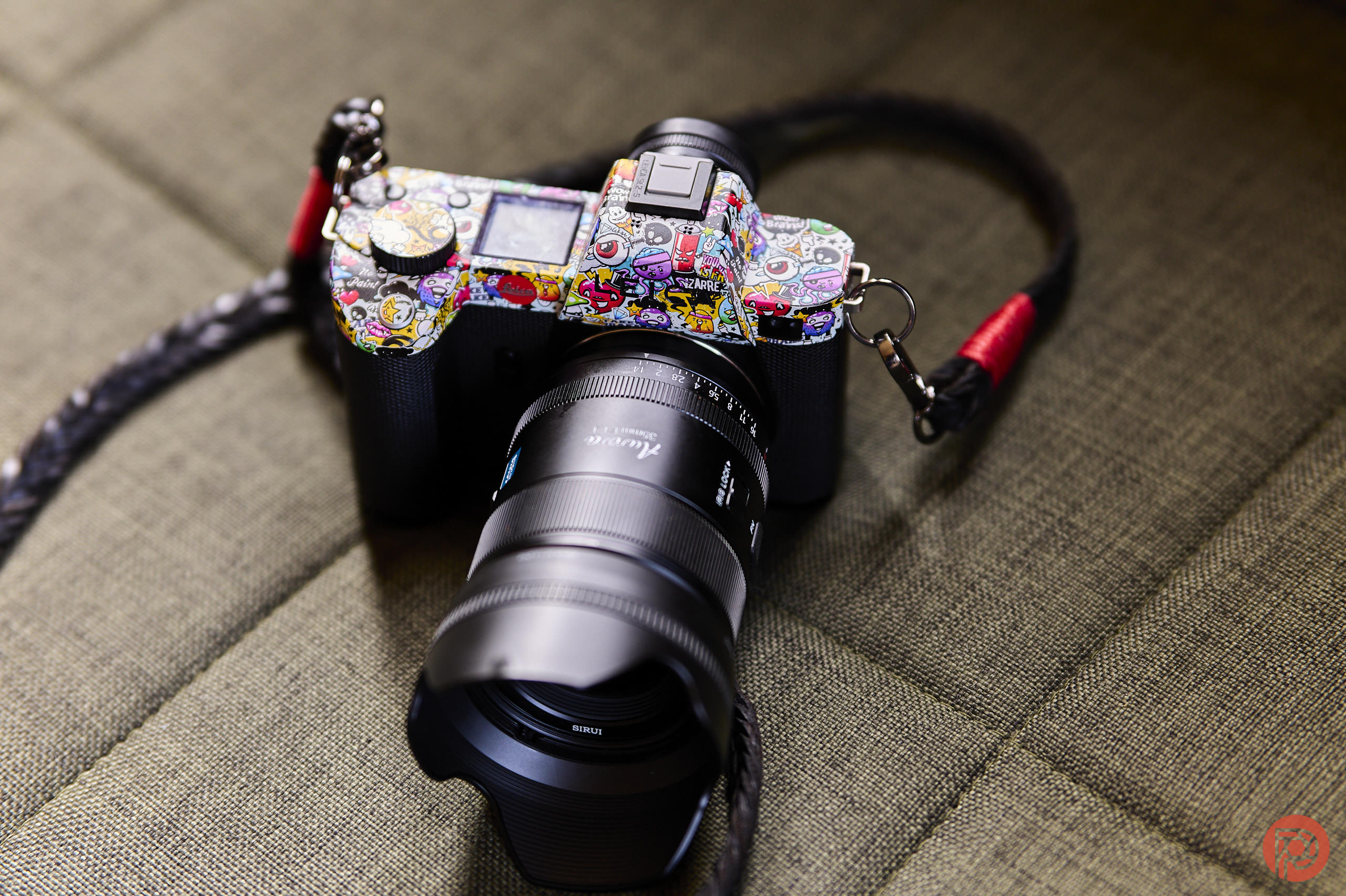
Six years ago, the Leica SL2s arrived as a statement. It was a camera built for those who see tools as extensions of their creative eye, not just boxes that capture light. We reviewed it then, and a year later, one of our own bought one, pairing it with the 28mm f2 SL APO lens. It was a serious investment, the kind that makes you pause and consider what longevity truly means in a world where tech cycles spin faster than shutters. Now, in 2026, with the SL3s sitting on the shelf, Leica has done something unexpected. They released a firmware update for the SL2s. Not a bug fix, not a minor patch, but an update focused on usability. For a camera that has been officially replaced, that is a quiet act of defiance.
We have to be honest: this is not a headline-grabbing feature drop. It is not a new sensor or a burst of AI magic. It is an acknowledgment that the SL2s was built to last, and that Leica's relationship with its users does not end when the next model arrives. In an industry where most brands abandon their previous generation within eighteen months, this update feels like a handshake across time. It tells us that when you pay that premium, you are not just buying glass and metal. You are buying a promise. And while we often hear marketing speak about brand loyalty, this is the kind of quiet proof that matters. We have seen other manufacturers ignore their older lines, leaving users to hunt for third-party workarounds or simply accept obsolescence. Leica, for all its quirks and costs, is choosing a different path. That deserves a moment of appreciation.
For our readers, the practical takeaway is simple: your Leica is not a disposable object. If you own an SL2s, this update means your camera remains a viable, even refined, tool for years to come. If you are considering a purchase, this should give you confidence. You are not buying into a dead end. You are buying into a philosophy where a camera can evolve long after its successor hits the shelves. We would tell anyone on the fence to factor this into their decision. The upfront cost is steep, but the cost of ownership is not just about the price tag. It is about the years of service, the updates that keep coming, and the feeling that the company stands behind what it builds. In a world of disposable electronics, that is a rare and beautiful thing.
So, what do we watch for next? The SL2s just proved that Leica sees value in its older models. The question is whether this becomes a pattern or a one-off gesture. If the next generation of SL cameras continues to receive these usability updates, Leica will cement its reputation as the brand for the long haul. If not, this will remain a pleasant anomaly. We are watching, and we hope Leica keeps proving us right. Because in a market that pushes us to upgrade every two years, a six-year-old camera that still gets better is not just a product. It is a statement. And we are here for it.