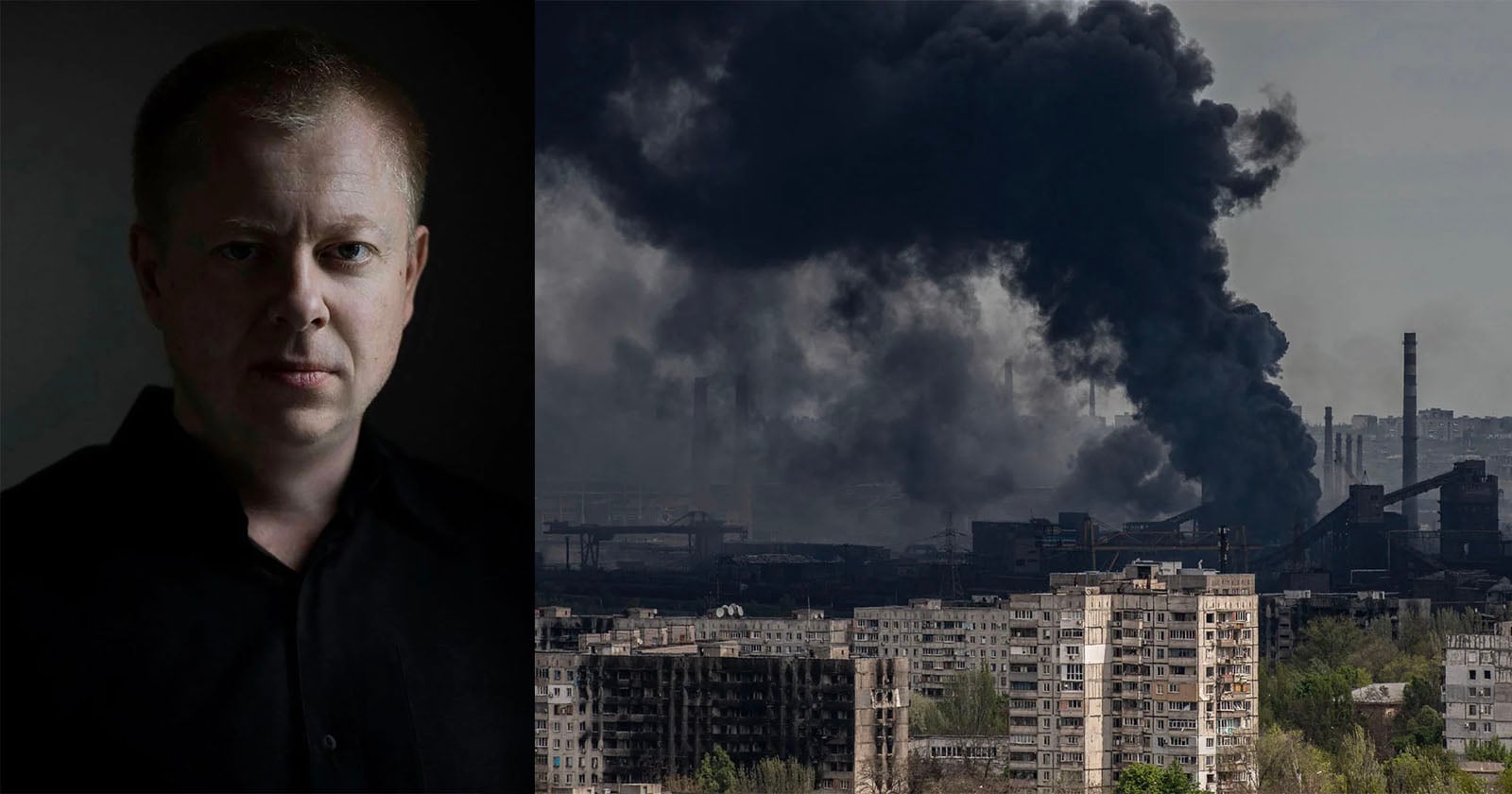
The news broke like a flash of tungsten in a darkroom: Leica has withdrawn one of the twelve finalists from the 2026 Oskar Barnack Award, and the reason is geopolitical. The photographer in question is Russian, and the move comes amidst ongoing concerns that have little to do with the work itself. We are not here to litigate the photographer's guilt or innocence, nor to pretend that art exists in a vacuum. But we are here to ask what this means when a camera company becomes the arbiter of moral eligibility.
For our readers, the practical takeaway is immediate and personal. You are the ones who submit to these awards, who curate your portfolios with the same care Leica applies to its lenses. You understand that a shortlist spot is not just a line on a CV; it is a validation of your eye, a signal to galleries and editors that your voice matters. When a brand pulls a name for reasons that have nothing to do with the photograph, it sends a quiet, unsettling message: your place in the canon is conditional. It is no longer enough to make powerful images; you must also pass an unspoken political vetting. That is a heavy shadow to cast over a competition that purports to celebrate visual storytelling, not statecraft.
We would tell any reader who asks us directly: do not mistake the action for the principle. Leica's decision is not a bold stance against authoritarianism; it is a risk-management move dressed in ethical clothing. The company is protecting its brand in a polarized market, and while that is understandable from a business perspective, it is disingenuous to frame it as a moral victory. The real issue is that this sets a precedent where the value of an image is judged not by its honesty or its composition, but by the passport of its maker. For emerging photographers in Russia, or anywhere else, this creates a chilling effect: you cannot control your government, yet you are expected to bear the consequences of its actions. That is not curation; that is collateral damage.
The open question we are left with is simple: where does this stop? If Leica can withdraw a finalist over Russia, will they next consider the politics of a Chinese photographer documenting the Uyghurs, or an Israeli documenting Gaza? The precedent is now set, and it is a slippery slope polished by good intentions. What we would watch for is the official statement from Leica, which has yet to be released in full. Will they cite a specific violation, or will they lean on the vague language of "concerns"? If the latter, then this was never about the award's integrity. It was about optics. The concrete point to watch is the reaction of the other eleven finalists. If they stay silent, they condone the logic. If they speak up, they risk their own standing. That is the choice Leica has forced upon them, and it is a heavy one for artists who only wanted to show us the world as it is.