Lowepro Goes Greener With the New Fastpack IV Collection
Our take
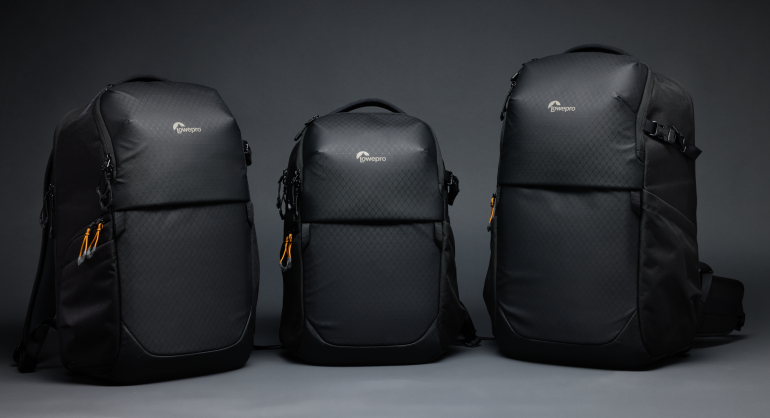
## Our Take: Lowepro's Fastpack IV – A Step Towards Sustainable Photography The world of photography, while inherently focused on capturing beauty and preserving moments, hasn't always been synonymous with environmental responsibility. From the manufacturing of camera bodies and lenses to the disposal of batteries and accessories, the impact can be surprisingly significant. Therefore, Lowepro’s announcement of the Fastpack IV Collection, emphasizing sustainable materials and production methods, resonates deeply. It’s a welcome shift in an industry often accused of overlooking its ecological footprint. Camera bags, as the article rightly points out, are essential companions for photographers, acting as both protective shells and mobile studios. Choosing a durable, functional, and now, environmentally conscious bag is a statement – a recognition that our passion for visual storytelling shouldn't come at the expense of the planet. The increased awareness around sustainable practices in the broader outdoor gear market, exemplified by companies like Patagonia Patagonia's Worn Wear, has undoubtedly created a pressure for brands like Lowepro to respond, and the Fastpack IV feels like a genuine and thoughtful effort. This move isn’t just about appealing to a growing consumer base; it's about acknowledging a responsibility to minimize environmental impact within the photography ecosystem. We've previously explored the challenges of sustainable gear production in The Quest for Eco-Friendly Camera Gear, and Lowepro's initiative represents a tangible step in that direction. The Fastpack IV collection’s focus on recycled materials – specifically, recycled PET plastic – is particularly noteworthy. PET plastic, often derived from discarded water bottles, is a common culprit in landfill waste. Transforming this material into durable, weather-resistant fabrics for camera bags not only reduces waste but also conserves resources compared to using virgin materials. Beyond the materials themselves, the design of the Fastpack IV also seems to prioritize functionality and longevity. A well-designed camera bag isn’t just about protecting gear; it's about facilitating the photographer's workflow. Features like quick access compartments, customizable dividers, and comfortable carrying systems contribute to a more seamless shooting experience. This focus on durability and usability, coupled with the sustainable materials, suggests Lowepro is aiming for a product that’s both environmentally responsible and genuinely useful for photographers of all levels. It's a smart strategy, as consumers are increasingly discerning and seek products that align with their values without sacrificing performance. Considering the broader landscape, the adoption of recycled materials is becoming increasingly common, though the degree of transparency regarding the sourcing and manufacturing processes often varies. Lowepro’s willingness to highlight this aspect of the Fastpack IV is a positive signal, setting a precedent for other brands to follow. The broader significance of Lowepro’s move extends beyond the camera bag market itself. It signals a growing awareness within the photography industry – from manufacturers to retailers to consumers – of the need for more sustainable practices. As photographers, we are often documenting the natural world, making it particularly crucial that our tools and methods minimize harm to the environment. The demand for ethically sourced and sustainably produced gear is only going to increase, and brands that fail to adapt risk losing relevance. This isn't just a trend; it's a fundamental shift in consumer expectations. Furthermore, Lowepro’s initiative could inspire other accessory manufacturers to explore alternative materials and production processes, potentially leading to a more sustainable photography supply chain as a whole. Think about the implications for lens cleaning cloths, straps, and even tripod cases – all areas ripe for eco-friendly innovation. The article’s brief mention of the collection's design is also relevant; minimizing waste during production, optimizing packaging, and designing for repairability are all crucial components of a truly sustainable product lifecycle. Looking ahead, the crucial question becomes: how will Lowepro, and other brands like them, continue to push the boundaries of sustainable photography gear? Will we see further adoption of bio-based materials, closed-loop manufacturing processes, or carbon-neutral shipping options? The Fastpack IV collection is a promising start, but it’s just the beginning. Transparency regarding the entire supply chain – from raw material sourcing to final product distribution – will be paramount in building consumer trust and ensuring genuine sustainability.
Read on the original site
Open the publisher's page for the full experience