Manfrotto Adds a Dedicated Video Tripod to Its ONE System
Our take
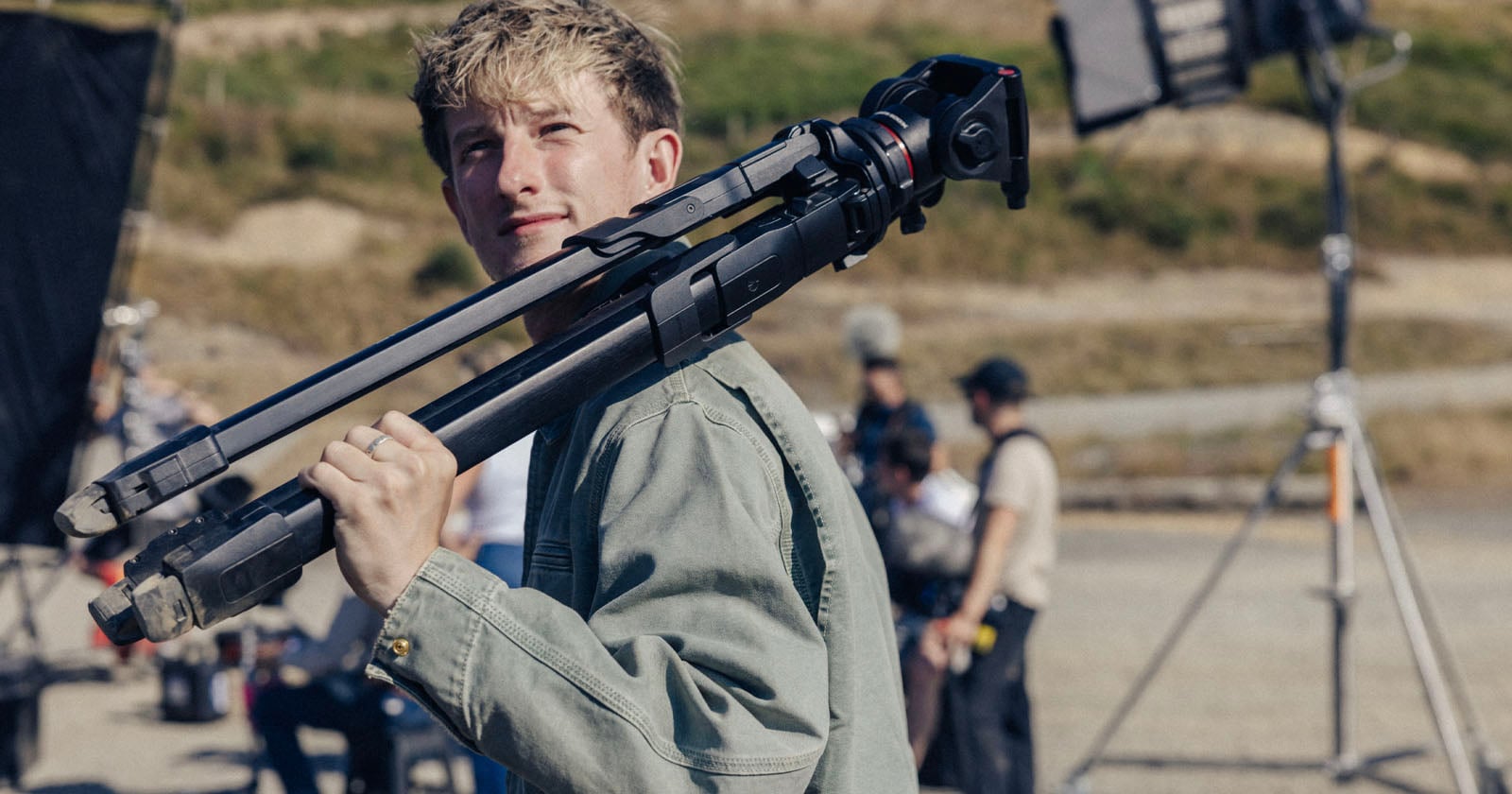
Manfrotto’s introduction of the ONE Video tripod marks a significant evolution in the professional video support landscape, completing their ambitious ONE System. The ONE System, initially launched with still photography tripods, promised a unified modular approach, allowing users to mix and match components for various shooting scenarios. This expansion into video fulfills that promise, addressing a clear demand for a fluid head and video-specific features within the established ONE framework. It’s a move that resonates with the increasing convergence of photography and videography, where creators often juggle both disciplines. For those already invested in the ONE ecosystem, the addition of a dedicated video tripod offers seamless integration and expands the system’s versatility considerably. The broader context here is the ongoing shift towards smaller, more adaptable filmmaking tools, driven by the rise of content creators using mirrorless cameras and compact cinema rigs. Consider the recent advancements in gimbal technology – DJI Ronin-S3 – which demonstrate this trend toward portable, sophisticated stabilization. Manfrotto’s ONE Video seems designed to complement these tools, providing a stable and reliable base for more controlled and deliberate shots.
The significance of this release extends beyond simply adding a video tripod to an existing line. Manfrotto has a long and storied history in the professional photography and videography world, representing a benchmark for quality and reliability. The ONE system, while relatively new, has already garnered attention for its innovative modularity and robust build quality. The ONE Video inherits these qualities, promising a professional-grade video support system that’s both adaptable and durable. The integration of a fluid head, specifically designed for smooth camera movements, is crucial for video applications. Details about the head’s specifications – load capacity, pan/tilt range, and damping adjustments – will be key factors for discerning video professionals. Furthermore, the modularity of the ONE system allows for customization, letting videographers tailor the tripod to their specific needs and camera setups. This contrasts with traditional, often monolithic, video tripods, offering a degree of flexibility that’s increasingly attractive to modern filmmakers. For those seeking a robust, adaptable system, the ONE Video presents a compelling alternative to established brands like Sachtler and Miller, particularly for those already familiar with or invested in the Manfrotto ecosystem. It's worth comparing this approach to the modularity being explored by other manufacturers; for instance, the advancements in modular rigs like those from SmallRig SmallRig Modular System showcase a similar desire for adaptable filmmaking tools.
What truly sets the ONE Video apart is its commitment to a unified system. Previously, videographers might have had to invest in separate still photography and video support systems, each with its own proprietary components and limitations. The ONE Video bridges that gap, allowing users to share components between still and video setups, simplifying their workflow and reducing equipment clutter. This is particularly appealing to hybrid shooters—those who regularly switch between photography and videography—as it minimizes the need for multiple sets of gear. The design considerations around ergonomics and portability are also crucial. While professional video tripods are often heavy and cumbersome, the ONE system's design aims to balance stability with ease of transport, a critical factor for location shooting. The marketing materials highlight a focus on ease of use and intuitive adjustments, suggesting Manfrotto is targeting a broad range of video professionals, from seasoned veterans to emerging content creators.
Looking ahead, the success of the ONE Video will depend on how well it balances performance with its modular design. While the modularity offers significant advantages in terms of flexibility and customization, it’s important that the system doesn’t compromise on the stability and smoothness required for professional video work. The price point will also be a key factor, as it will determine whether the ONE Video can compete effectively with established players in the video tripod market. Ultimately, the long-term implication of Manfrotto’s ONE system is a potential shift towards more integrated and adaptable filmmaking ecosystems. Will other manufacturers follow suit, embracing modularity as a core design principle? And will the lines between still photography and videography support systems continue to blur as creators increasingly demand versatile tools? These are questions that will shape the future of the industry.
Manfrotto has announced the ONE Video, rounding out its ONE System tripods with a dedicated professional video option.
Read on the original site
Open the publisher's page for the full experience