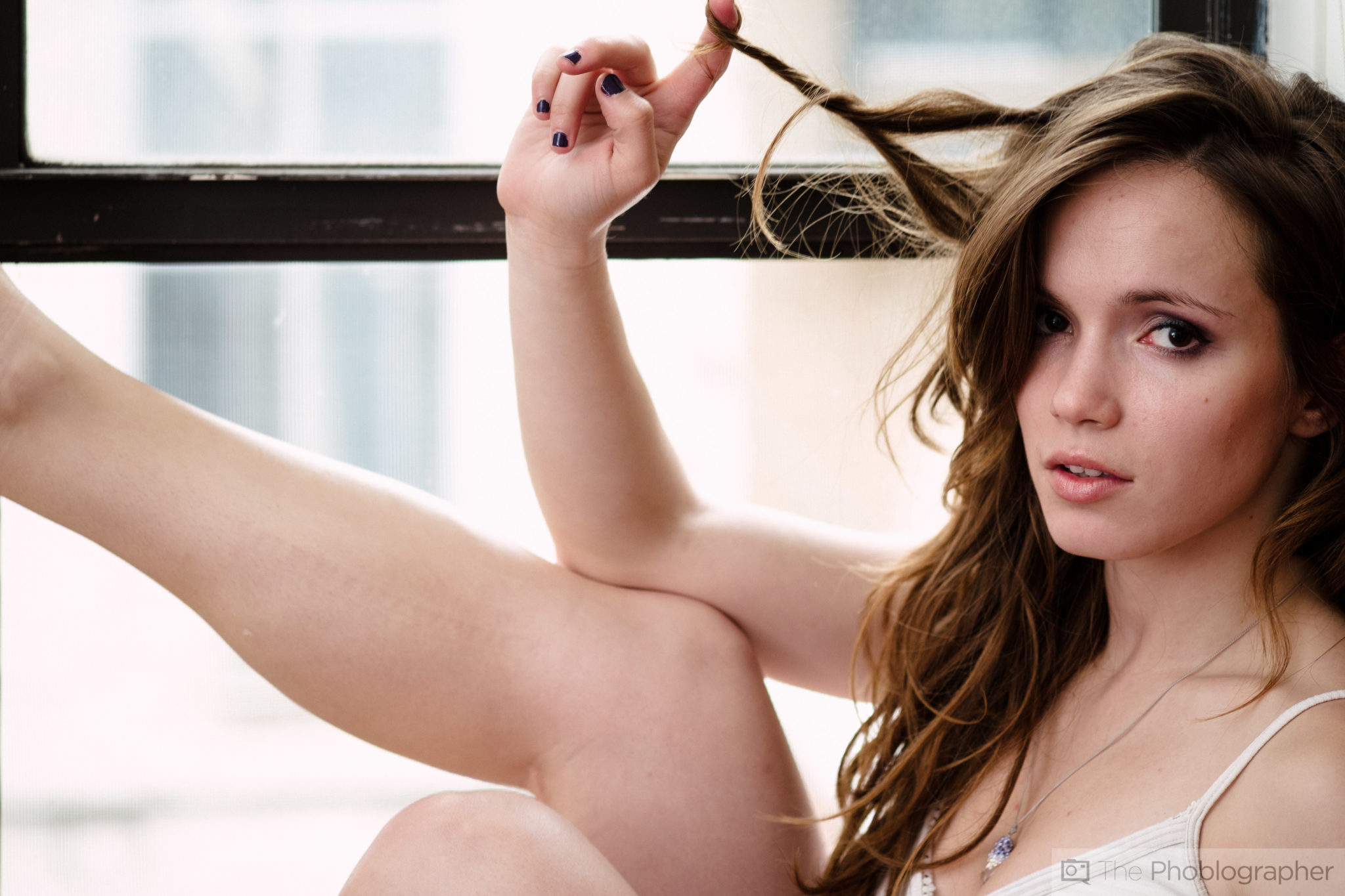
There's a quiet rebellion in setting down the natural light only approach long enough to ask, "What if I learned something new?" For years, the story goes, the only acceptable light was the sun, the window, the sky. Then came the deliberate choice to invest in flash and strobe, and eventually, to take that light off the camera entirely. The result wasn't a rejection of the old way, but an expansion of it. We love that this isn't a story about gear for gear's sake. It's about the courage to be a beginner again, even when you've already found a voice. That's the kind of creative restlessness we admire, the kind that keeps the work alive.
What strikes us most is the tension the author names so honestly: the desire to master something powerful without letting it become complicated. Off-camera flash is a superpower, but it can also be a tangle of triggers, stands, and settings. The takeaway here isn't that you must abandon natural light or that strobes are superior. It's that mastery is a spectrum, and the goal is to feel at home in more than one mode. This resonates deeply with the way we think about any craft. You don't have to choose between the softness of dawn and the sculpted drama of a hard flash. You just have to be willing to experiment, fail, and refine. For our readers, many of whom are balancing artistic vision with practical demands, this is a reminder that the tools are there to serve your eye, not the other way around. We'd tell anyone hesitating to make the leap: start small, keep the camera close, and let the learning curve be part of the art. The process itself becomes a kind of signature.
This conversation feels like a natural companion to the other explorations we've been following. In Capturing Cosmic Beauty: An Astrophotography Journey with Nikon, we see a similar willingness to chase difficult light, where the sky itself becomes the studio. And in Embrace the Drama: Exploring the Allure of Ultra-Low ISO Film, there's a shared appreciation for constraints that push you toward intention. Meanwhile, Experience Photography's Artistry: The 5 Boro Foto Fest Returns reminds us that this is a community practice, one meant to be shared and celebrated. What connects all of these is a refusal to settle for the easy shot, a curiosity that keeps the medium feeling fresh.
Don't let the fear of complexity keep you from a richer visual vocabulary. The journey from natural light purist to off-camera flash enthusiast isn't about abandoning one truth for another. It's about building a more flexible relationship with light, one that lets you say yes to more moments. The specific takeaway we'd offer is this: the best investment you can make isn't in the most expensive strobe or the latest trigger. It's in the hours you spend fumbling, adjusting, and eventually feeling that click of understanding. That moment, when the light finally bends to your will, is worth every bit of the initial frustration. Watch for that shift in your own work, the day you stop apologizing for using flash and start using it with purpose. That's the day the real learning begins.