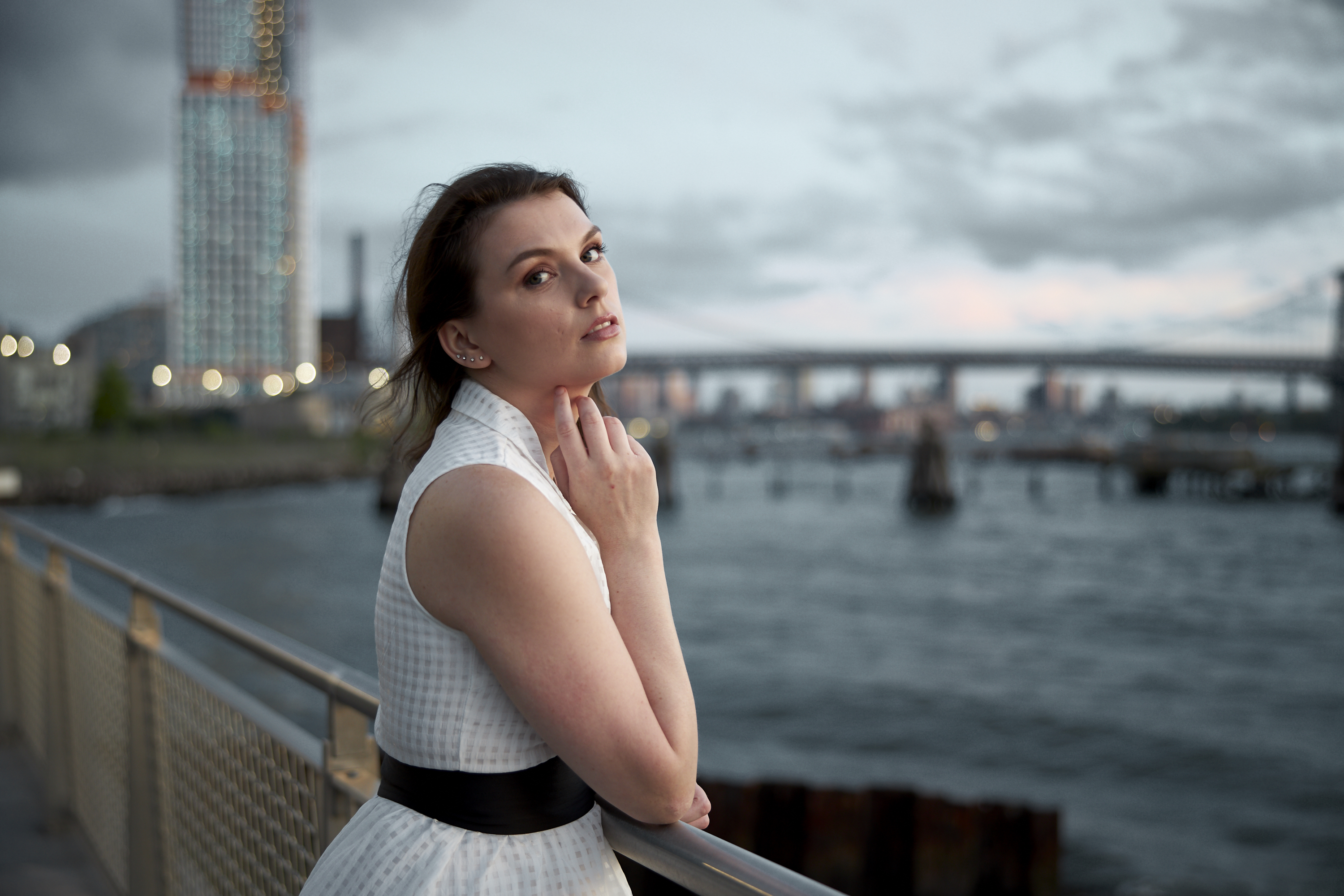
There is a quiet confession that happens in every photographer's journey, and it usually sounds like this: "I'll fix it in post." It is a seductive phrase, one that promises control but often delivers a hollow version of the image you actually saw. The article's honest admission that too many of us lean on auto white balance, only to chase our own tails in editing, lands with the weight of a shared secret. And while the piece frames this as a gentle nudge toward technical mastery, we see it as something more meaningful: an invitation to stop outsourcing your creative decisions to a camera that does not care about your vision. Understanding white balance at the moment of capture is not about being technically perfect; it is about being present. It is the difference between documenting a scene and interpreting it, between a record of a moment and a feeling you get to keep.
For our readers, this is where the practical and the artistic finally shake hands. When you set white balance with intention, you are not just correcting a color cast; you are making a choice about the mood of the frame. A golden hour portrait bathed in warm light tells a different story than the same scene rendered neutral, and that is precisely the point. The article is right to argue that thinking critically about this in-camera saves you from the endless, soul-draining work of rescuing files later. But we would go a step further: treating white balance as a creative tool, rather than a technical hurdle, is what separates a photographer who merely takes pictures from one who makes them. It is the difference between reacting to light and shaping it, between hoping for a result and knowing exactly how you got there. This is not about memorizing Kelvin values; it is about training your eye to see the temperature of a moment and deciding what you want it to say.
We would tell a reader who asked us about this directly: stop treating your camera's auto setting as a safety net and start treating it as a starting point. The article's core insight, that understanding white balance when it happens helps align the image with your creative vision, is the kind of truth that feels obvious only after someone says it out loud. It is not about being reckless with your settings; it is about being deliberate. So, the next time you frame a shot, pause. Ask yourself what the light is doing, not just what the subject is doing. Is the scene cool and shadowed, or warm and golden? What do you want the viewer to feel when they look at it? That question alone, asked in the moment, will do more for your photography than any preset or post-processing slider ever could. It is a shift from passive capture to active authorship, and it is available to anyone willing to stop hiding behind the promise of "later." The specific consequence here is simple: the more you practice this, the less you will rely on the safety of auto, and the more your images will begin to feel unmistakably, authentically yours. That is the detail worth watching for, and the one that will keep you growing long after the technical novelty fades.