‘Maternal Instinct’ on Netflix is a Wedding Photography Nightmare
Our take
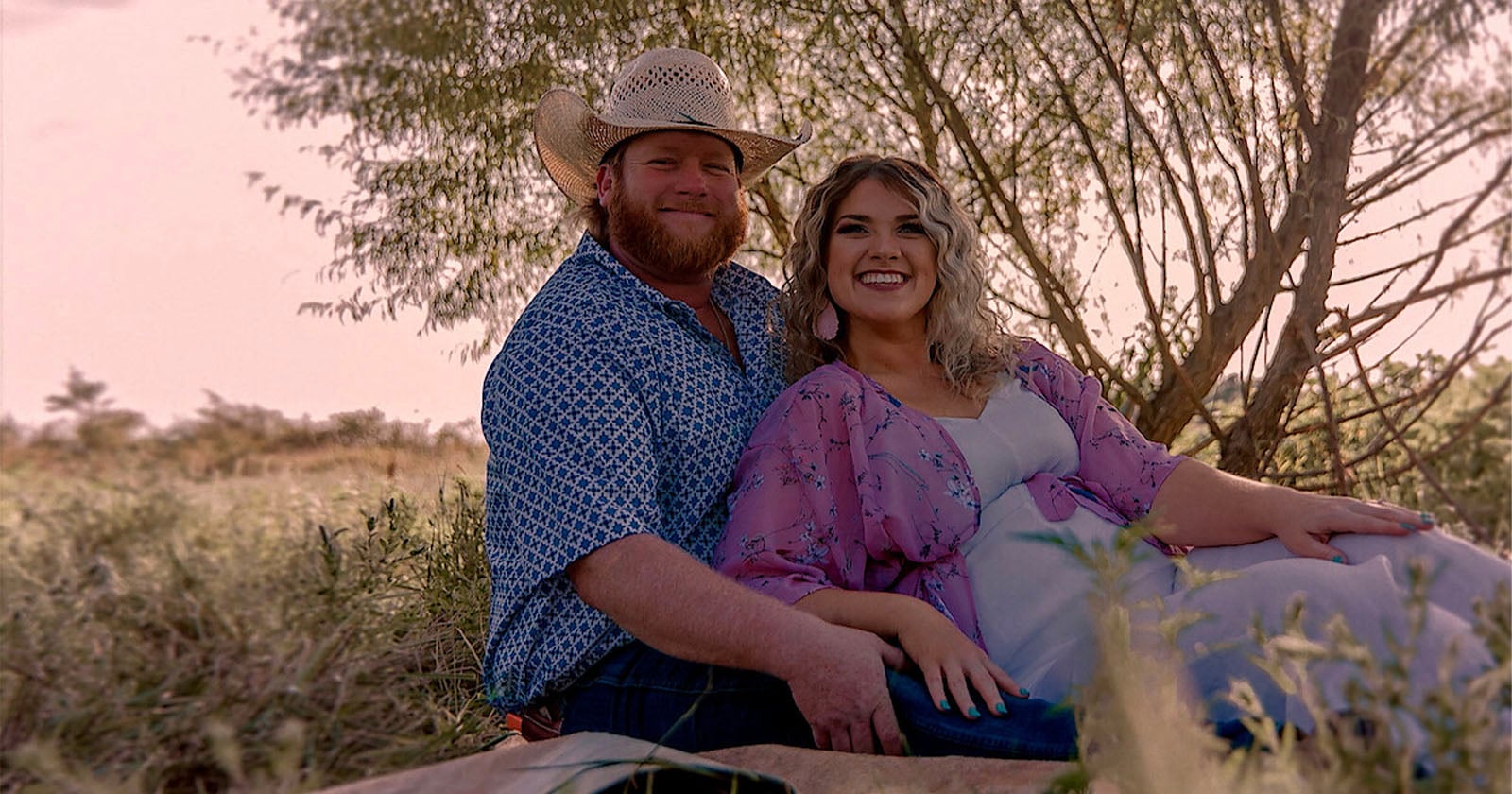
The chilling narrative presented in Netflix’s ‘Maternal Instinct’ – a story where a bride is tragically murdered by her wedding photographer – serves as a stark and unsettling reminder of the vulnerabilities inherent in entrusting deeply personal moments to external creatives. The sister’s fear of hiring a photographer, as recounted in the documentary, resonates with a growing unease within the photography community and beyond. It’s a narrative that forces us to confront uncomfortable questions about trust, professional boundaries, and the potential for unimaginable breaches of that trust. This isn't merely a sensational story; it's a critical examination of the power dynamics at play when individuals commission deeply intimate services, and the responsibility that comes with wielding that power. It’s worth considering how our industry, and industries alike, navigate consent and safety in increasingly vulnerable service exchanges. The conversation surrounding ethical practice and safeguarding extends far beyond the lens, as demonstrated in articles like Four Decades of Photography That Defined Iconic Fashion Brand Yves Saint Laurent, which highlights the evolving relationship between photography and representation, and Photographer Jake Guzman Captures America’s Almost-Alien Landscapes, showcasing the journey of a photographer finding his vision while navigating the complexities of capturing the world.
The incident underscores a critical gap in the vetting process for wedding vendors, often relying heavily on online reviews and curated portfolios which can obscure potential red flags. While professional organizations exist, their oversight often proves inadequate in preventing such devastating occurrences. It’s easy to get caught up in the aesthetic - the perfectly styled couple, the flattering lighting, the promise of capturing “the moment.” But this tragedy forces us to acknowledge the essential human element – the character, integrity, and psychological stability of the individual behind the camera. The digital age has democratized photography, allowing anyone with a camera and an Instagram account to offer their services. This accessibility is, in many ways, a blessing, fostering creativity and opportunity. However, it simultaneously complicates the process of ensuring quality and, crucially, safety. Considering the challenges in building a sustainable photographic business is also something our community is actively exploring, as detailed in We Want to Build a Better Phoblographer. Help Us, illustrating the constant need for adaptation and community support within a dynamic creative landscape.
Beyond the immediate horror of the case, ‘Maternal Instinct’ prompts a broader discussion about the responsibility of platforms like Netflix in handling sensitive subject matter and the potential impact of true crime storytelling on victims' families. It also raises the question of how the wedding industry, as a whole, can better prioritize safety and accountability. This isn’t about demonizing photographers; it’s about recognizing that any profession involving close contact with vulnerable individuals necessitates rigorous screening, ongoing training, and a culture of ethical awareness. The curated aesthetic of wedding photography – the emphasis on romance, intimacy, and trust – becomes all the more jarring when juxtaposed with the stark reality of this case. It’s a reminder that the pursuit of the perfect image should never overshadow the fundamental responsibility to ensure the safety and well-being of those being photographed.
Ultimately, ‘Maternal Instinct’ leaves us with a profound and unsettling question: how do we, as consumers and as an industry, redefine trust and safety in a world where vulnerability is often the price of artistic expression? What new protocols, certifications, or accountability measures are needed to protect individuals entrusting their most cherished moments to external creatives? The legacy of this tragedy should be a catalyst for change, prompting a deeper examination of the ethical responsibilities that underpin the wedding industry and beyond.
"I was scared to hire a photographer for my wedding," says the sister of Reagan Simmons Hancock in the harrowing Netflix documentary Maternal Instinct. It's not surprising. Her sister was murdered by her wedding photographer.
Read on the original site
Open the publisher's page for the full experience