Maven Magnifying Diopter Filters: Making Macro Photography Affordable
Our take
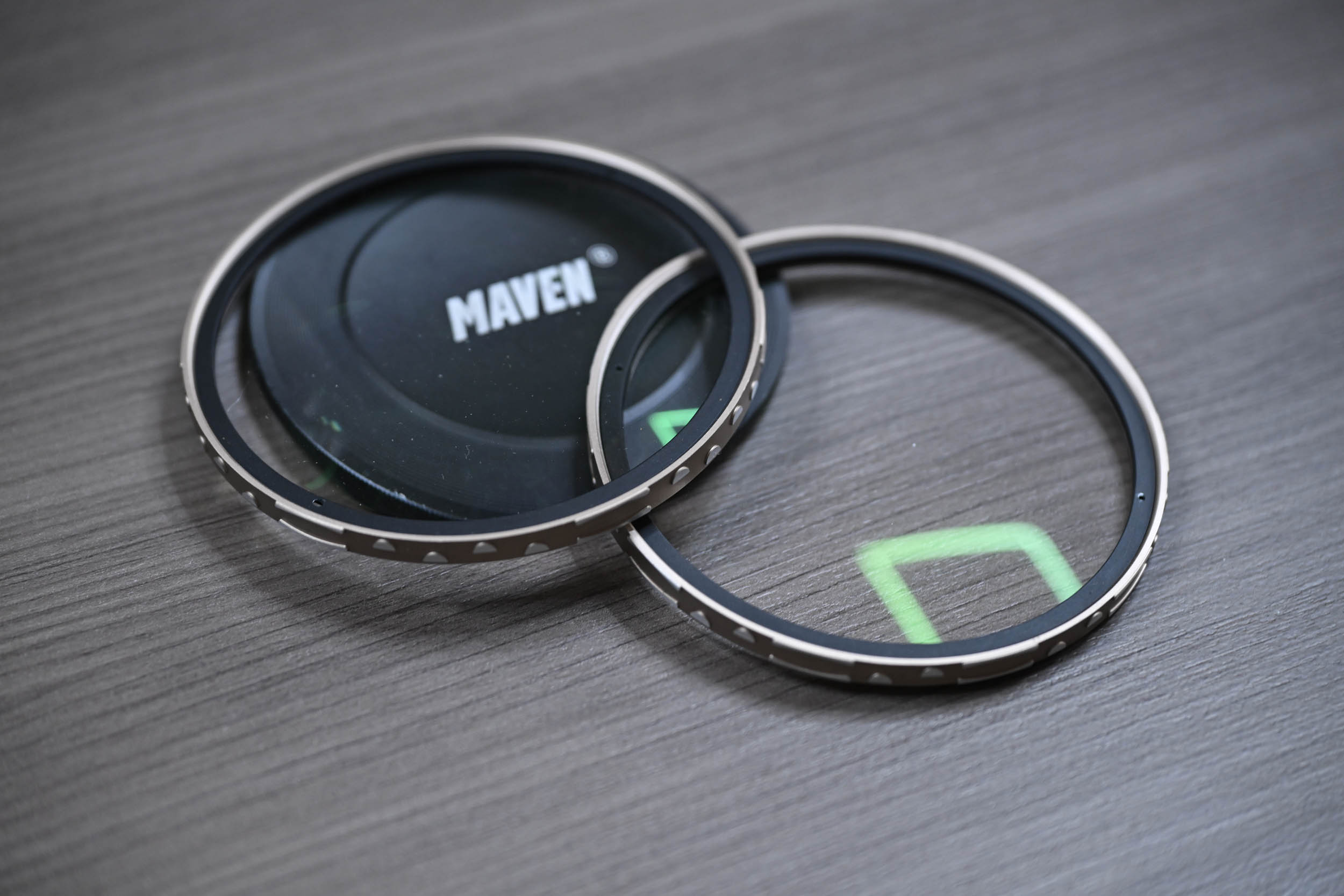
The allure of macro photography – the ability to reveal a hidden world of intricate detail within the everyday – has long captivated photographers. However, the barrier to entry has traditionally been significant, often involving a considerable investment in specialized lenses. Dedicated autofocus macro lenses can easily cost upwards of $1000, and while manual options exist, they demand a level of patience and skill that can deter many aspiring macro enthusiasts. This is precisely the challenge Maven’s Magnifying Diopter Filters address, offering a compelling and surprisingly accessible alternative. The development isn't just about affordability; it’s about democratizing a photographic genre, making the beauty of the miniature readily available to a wider audience. We’ve previously explored the expanding world of accessible photography gear – see Budget-Friendly Filmmaking Gear – and the rise of innovative solutions aimed at lowering the cost of entry. Similarly, the conversation around lens alternatives continues to evolve, as evidenced by articles like Adapting Vintage Lenses for Modern Cameras which showcase the ingenuity of photographers seeking unique looks without breaking the bank. Maven’s diopter filters fit squarely within this trend, representing a clever and practical solution.
The genius of the diopter filter system lies in its simplicity and compatibility. Rather than requiring a complete lens replacement, these filters effectively magnify the image projected by your existing lens, bringing subjects into sharp macro focus. This broad compatibility – working with "just about any good lens you already have" – is a crucial differentiator. It removes the financial hurdle and allows photographers to experiment with macro without a significant upfront investment. This is particularly appealing to those who are unsure if they'll truly dedicate themselves to the genre. It’s a low-risk way to explore the possibilities, whether it's capturing the delicate structure of a flower petal, the intricate patterns on an insect's wing, or the textures of everyday objects. The potential for creative exploration is vast, and the relatively modest cost of the filters makes it an easy proposition to try. The broader impact extends beyond individual photographers, potentially inspiring a renewed appreciation for the small wonders that often go unnoticed.
The significance of this development shouldn't be underestimated. It taps into a larger trend of accessible creativity, a desire to engage with artistic pursuits without the need for expensive equipment. It also speaks to the increasing ingenuity within the photography accessory market. Companies are finding clever ways to enhance existing gear and provide specialized capabilities without demanding a full system overhaul. This approach benefits both consumers, who gain access to more tools and techniques, and manufacturers, who can cater to a wider range of budgets and skill levels. The rise of mobile photography has already demonstrated the power of accessible tools to unleash creativity; Maven’s diopter filters suggest a similar shift is occurring within the realm of traditional photography. This is a particularly welcome development in a market often dominated by high-end, specialized equipment. Consider the growing popularity of alternative lens systems, such as tilt-shift converters, as discussed in Exploring Tilt-Shift Photography, which further demonstrates this trend toward adaptable and affordable photographic solutions.
Looking ahead, it will be interesting to see how Maven and other manufacturers continue to innovate within this space. Will we see further refinements to diopter filter technology, perhaps incorporating features like improved coatings or more precise magnification adjustments? Will this trend towards affordable macro solutions lead to a broader resurgence of interest in the genre, inspiring a new generation of macro photographers? The accessibility offered by these filters has the potential to unlock a wealth of creative potential, and it’s likely we’ll see a surge in macro photography content across various platforms. The question remains: will this shift democratize macro photography enough to fundamentally alter the landscape of the genre, or will it simply serve as a gateway for a new wave of enthusiasts before they eventually upgrade to dedicated macro lenses?
Read on the original site
Open the publisher's page for the full experience