Mayor Mamdani Says Landlords Can’t Secretly Use AI Images to Advertise Properties
Our take
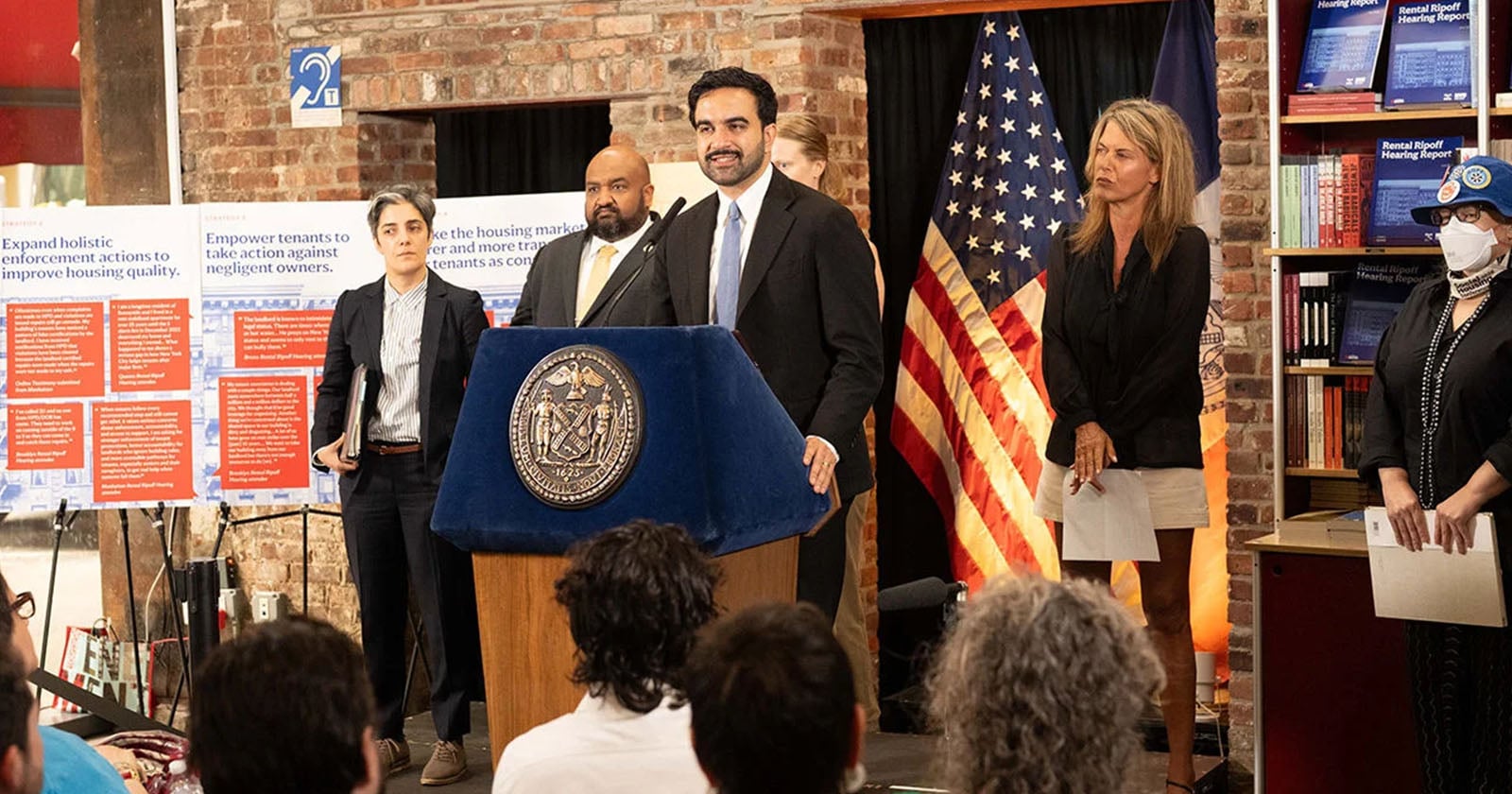
## The Algorithmic Facade: Why Mayor Mamdani’s Crackdown on AI-Enhanced Listings Matters New York City’s Mayor Zohran Mamdani's recent actions regarding AI usage in advertising, first with the “click-to-cancel” initiative targeting image editing software companies and now with this focus on landlord practices, signal a significant shift in how we understand transparency and authenticity in the digital marketplace. The move to prevent landlords from secretly employing AI-generated or edited images to portray properties in a misleading light goes beyond a simple regulatory tweak; it addresses a growing anxiety about the erosion of trust in visual representation. This isn’t just about apartment hunting; it’s about the broader implications of AI’s increasing ability to fabricate reality and how that impacts consumer confidence across industries. As we've seen with the rise of deepfakes and AI-generated art, the line between genuine and synthetic is blurring, and the potential for deception is accelerating. This legislation, if successfully implemented, could set a precedent for other cities and states grappling with the ethical and legal challenges posed by readily accessible AI tools – a discussion further explored in The Ethics of AI-Generated Content. The issue is particularly acute in real estate, where visual appeal is paramount and a prospective tenant's decision is heavily influenced by what they see. The core of the issue isn’t simply about aesthetics; it’s about fairness and informed decision-making. Imagine searching for an apartment advertised as having "abundant natural light" and "renovated kitchen" only to discover, upon viewing, that the images were subtly altered to enhance brightness or digitally add appliances that don’t exist. This isn't a case of minor exaggeration; it's a deliberate attempt to create a false impression, potentially leading renters into unsuitable living situations. Mamdani’s stance acknowledges this deceptive potential and seeks to level the playing field, ensuring renters have access to reasonably accurate representations of the properties they're considering. Furthermore, this action aligns with a growing consumer sentiment for authenticity and transparency, especially among younger generations who are increasingly discerning about the information they consume online. The challenge, of course, will be enforcement. Identifying AI-altered images requires sophisticated detection techniques, and landlords may find creative ways to circumvent the regulations. This is where the initial intervention targeting Adobe and similar software providers becomes crucial, creating a framework where accountability can be more effectively distributed. A related piece on the challenges of AI detection in visual media explores these complexities further: AI Detection: A Moving Target. The significance of this development extends far beyond the rental market. It highlights a critical need for regulatory frameworks that address the ethical implications of increasingly sophisticated AI tools. While AI offers incredible potential for innovation and efficiency, its misuse can erode trust and create unfair advantages. The real estate sector, with its heavy reliance on visual marketing, is simply the first domino to fall. Consider the implications for online retail, where product images can be digitally enhanced to appear more appealing, or even for tourism, where destinations can be virtually “improved” to attract visitors. The core principle at stake is the right of consumers to make informed decisions based on accurate information. Simply put, if visual representations are no longer reliable, the entire foundation of trust in online commerce is undermined. This isn't about stifling innovation; it's about establishing guardrails to ensure that AI is used responsibly and ethically. The legal landscape is still evolving, and we're likely to see further legislation aimed at regulating the use of AI in various industries. A recent legal analysis on AI liability offers a deeper dive into the emerging legal challenges: AI Liability: Who is Responsible?. Looking ahead, the question becomes: how do we balance the benefits of AI with the need for transparency and authenticity? Will this New York City initiative inspire similar measures in other jurisdictions? More crucially, how can we develop technological solutions – perhaps AI-powered detection tools – that can effectively identify and flag AI-altered images in real-time? The onus will be on both regulators and technology providers to collaborate and create a system that protects consumers without hindering the responsible development and deployment of AI.
New York City mayor Zohran Mamdani is having a very busy week. Just a day after announcing a "click-to-cancel" rule aimed at companies like Adobe, Mamdani is cracking down on "deceptive landlord practices," including using AI-generated and AI-edited images designed to make properties look more appealing.
Read on the original site
Open the publisher's page for the full experience