Meta Removes AI Image Generation Feature That Used Public Instagram Posts Following User Backlash
Our take
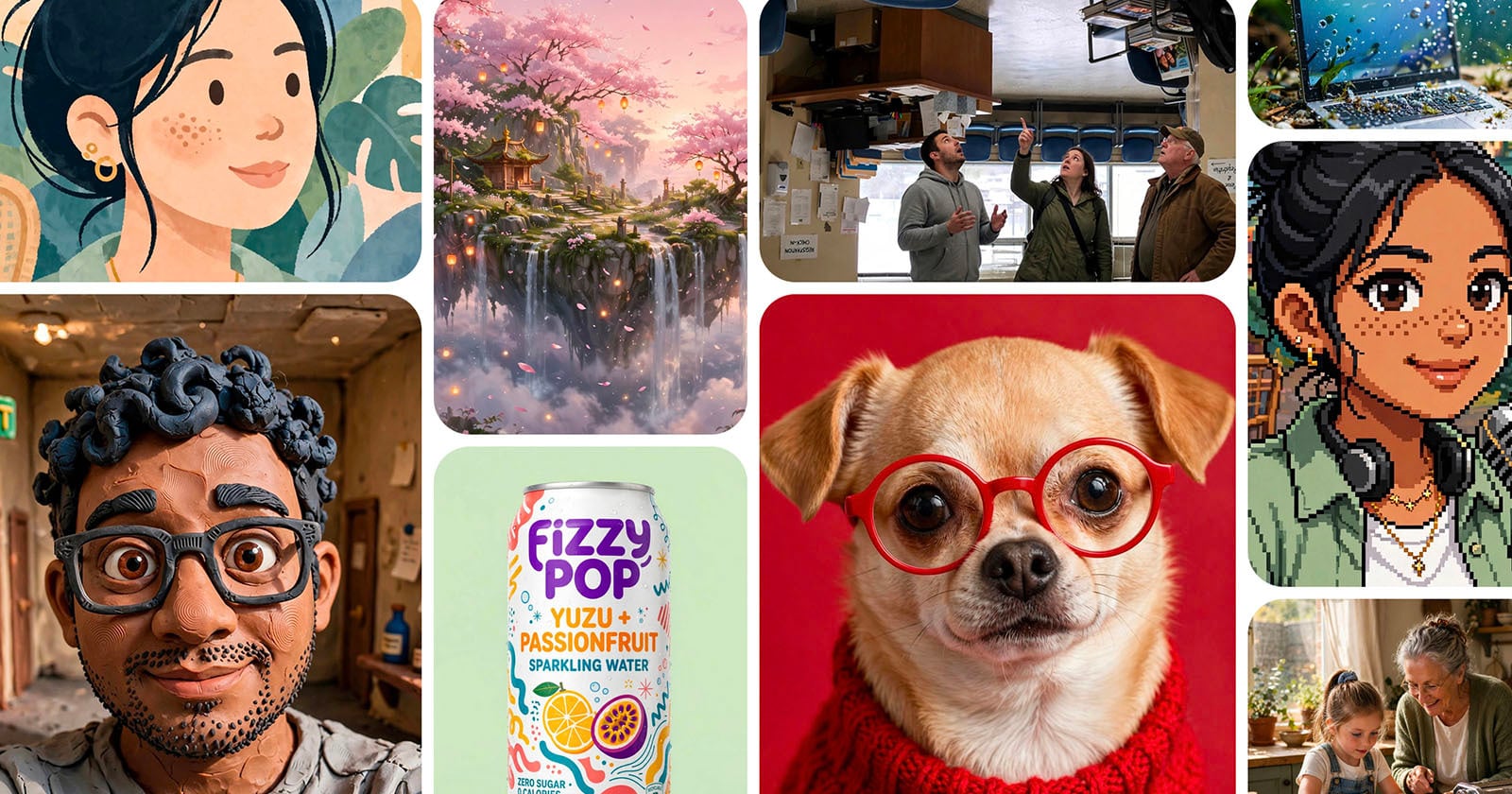
The recent removal of Meta’s AI image generation feature, Meta AI Muse, following widespread user backlash highlights a crucial inflection point in the intersection of generative AI and creative platforms. The initial rollout, which automatically enrolled public Instagram accounts in a dataset used to train the AI, sparked immediate concerns about copyright, consent, and the potential devaluation of artistic labor. This controversy comes amidst a broader landscape of AI-related legal challenges; Apple’s recent lawsuit against OpenAI, [Apple Sues OpenAI, Alleging Former Employees Stole Confidential Hardware Trade Secrets], underscores the growing scrutiny surrounding data usage and intellectual property rights in the rapidly evolving AI sector. Furthermore, the ongoing regulatory actions, such as the FCC’s fines on companies importing DJI technology, [FCC Fines Multiple Companies It Says Are Bringing DJI Tech into the U.S.], demonstrate a broader governmental awareness of the need for oversight in technologically advanced fields. The rapid development and deployment of AI tools are outpacing the establishment of clear ethical and legal frameworks, leaving creators and users vulnerable.
The core issue isn't simply about AI’s ability to generate images; it’s about the sourcing of the data used to power those models. While many AI developers argue that using publicly available data falls within fair use guidelines, the automatic and potentially unnoticed enrollment of Instagram users raises serious questions about informed consent and control over one's creative output. The fact that Meta, a company deeply invested in the creative economy, rolled out this feature with such limited user agency suggests a prioritization of innovation over ethical considerations. Consider also the practical implications for professional photographers and artists who rely on Instagram to showcase and monetize their work; the potential for their imagery to be replicated and repurposed by AI models without compensation or attribution is a legitimate cause for concern. This situation echoes the debates surrounding stock photography and the appropriation of artistic styles, but with the added complexity of AI’s generative capabilities. The Falcam Hasselblad X2D cage, [Falcam’s Hasselblad X2D Cage Offers Protection and a Secret AirTag Compartment], while seemingly unrelated, speaks to the broader desire among creators to protect their tools and work—a sentiment amplified by the current AI landscape.
The swift reversal of Meta AI Muse, while a victory for advocates of creator rights, shouldn’t be viewed as a definitive resolution. It's likely a temporary pause, a recalibration of strategy in the face of public pressure. The demand for AI-powered creative tools isn't going away; instead, developers will need to find more sustainable and ethically sound models for data acquisition and usage. This could involve exploring opt-in datasets, compensating creators for the use of their work, or developing AI models that rely on synthetic data rather than existing imagery. The challenge lies in balancing the potential of AI to democratize creativity with the need to protect the rights and livelihoods of artists and photographers. The current backlash highlights the importance of transparency and user control—features that should be baked into the design of any AI-powered creative platform from the outset.
Looking ahead, it's clear that the legal and ethical debates surrounding AI-generated content will only intensify. The question isn’t whether AI will transform the creative landscape, but how. Will it become a tool that empowers artists and expands creative possibilities, or will it be a disruptive force that undermines the value of human creativity? The answer likely depends on the willingness of tech companies to prioritize ethical considerations and collaborate with creators to establish a fair and sustainable ecosystem. One crucial aspect to watch will be the evolution of copyright law in response to generative AI—how will courts interpret fair use in the context of AI-trained models, and what protections will be afforded to creators whose work is used to train those models?
Meta has removed a controversial AI feature after criticism over its default settings, which automatically opted public Instagram accounts into allowing their posts to be used as references for AI-generated images.
Read on the original site
Open the publisher's page for the full experience