Meta’s New AI Image Generator Can Make Pictures From Anyone’s Public Instagram Page
Our take
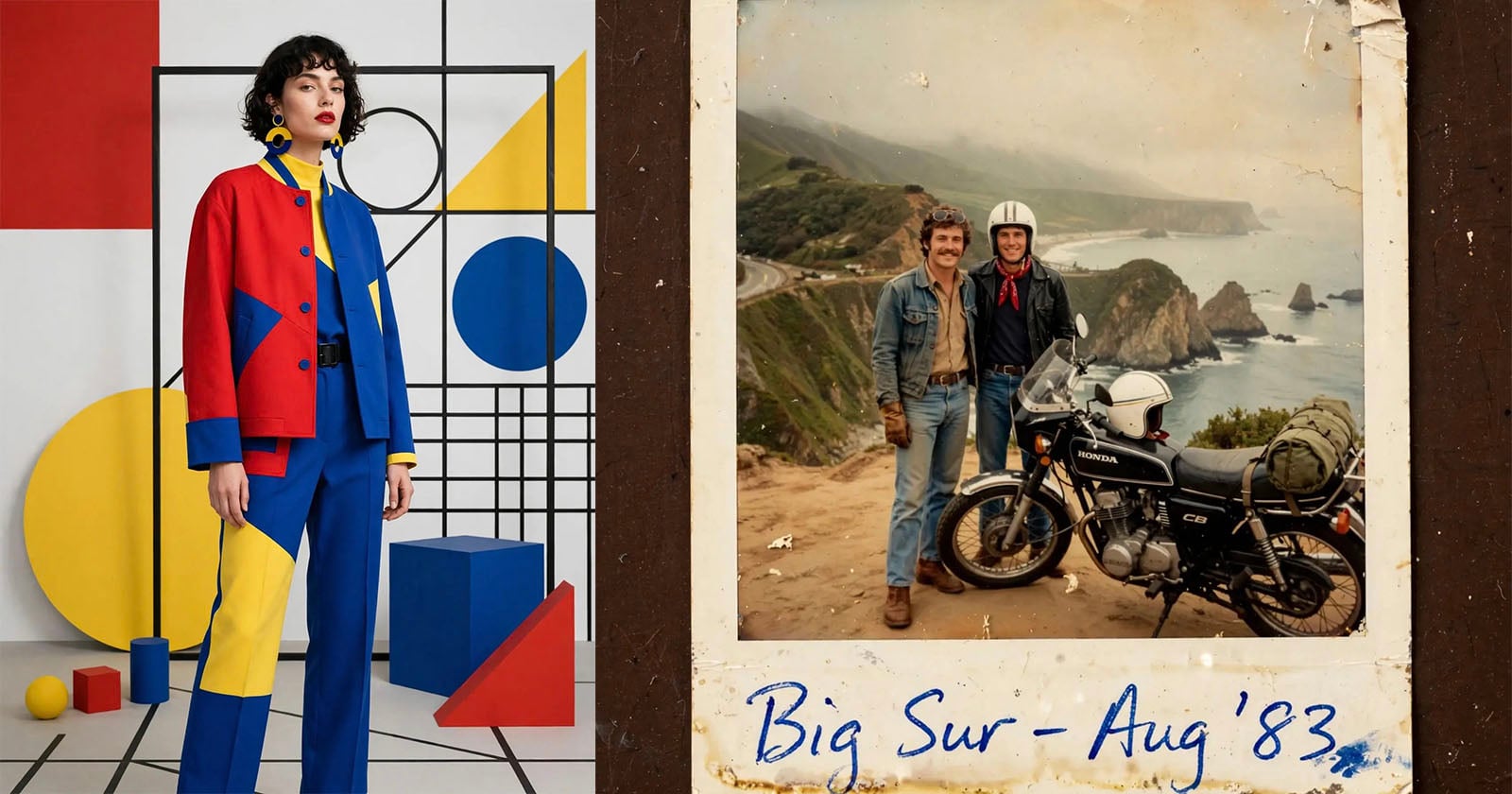
Meta’s unveiling of Muse, its first image generation model, marks a significant, and perhaps unsettling, evolution in the landscape of AI-driven creativity. Rolling out across Instagram, WhatsApp, and the Meta AI app, Muse’s ability to create images from public Instagram profiles presents both exciting possibilities and complex ethical considerations. This isn't the first foray into AI image manipulation – Google has been steadily integrating AI into its offerings, including [Google Photos Adds Video Remix That AI-Generates ‘Shareable Clips’] – but Muse’s direct linkage to existing user data and its immediate integration into widely used platforms elevates the stakes considerably. The implications for artistic expression, copyright, and personal privacy are substantial, demanding careful consideration as this technology matures. The recent discussions around the future of camera operation, as explored in [CEO Imagines a Future Without Camera Operators and Capture One Supports Hasselblad], highlight the broader anxieties surrounding AI’s potential displacement of creative roles, a concern that Muse’s capabilities will undoubtedly amplify.
The core innovation lies in Muse’s multimodal capabilities, allowing it to understand and generate images based on textual prompts combined with visual references derived from Instagram profiles. This moves beyond simply generating images from scratch; it enables the creation of variations on existing styles, potentially mimicking specific photographers or artists – a power that raises immediate concerns about intellectual property and artistic integrity. While Meta emphasizes the public nature of the Instagram data used to train Muse, the ease with which users can now generate images that closely resemble the work of others presents a legal and ethical gray area. Moreover, the ability to create personalized imagery based on someone's public presence could lead to unexpected and potentially unwanted interpretations of their persona, blurring the lines between authentic self-representation and AI-generated simulacra. The recent unveiling of IMAX's new large-format film camera, [IMAX Reveals New Large-Format Film Camera That Filmed ‘The Odyssey’]—a testament to the enduring power of captured reality—serves as a pointed contrast to the increasingly synthetic nature of image creation.
Beyond the immediate copyright and privacy concerns, Muse’s arrival underscores a broader shift in how we perceive and interact with images. The ability to effortlessly generate convincing visuals has the potential to further erode trust in online content, making it increasingly difficult to distinguish between authentic experiences and AI-fabricated realities. This has implications not only for artists and photographers but also for anyone who relies on visual communication to convey information or build relationships. The democratization of image creation can be a powerful force, allowing individuals to express themselves in new and innovative ways, but it also requires a heightened awareness of the potential for misuse and manipulation. The curated aesthetic that defines Instagram, and indeed much of contemporary online culture, risks being further diluted by a flood of AI-generated content, leading to a homogenization of visual styles and a potential decline in originality.
Looking ahead, the key question revolves around how Meta, and the broader AI community, will address the ethical challenges posed by Muse and similar technologies. Robust mechanisms for attribution, consent, and copyright protection are essential to safeguard the interests of artists and prevent the unauthorized replication of their work. Furthermore, fostering media literacy and critical thinking skills will be crucial to empower users to navigate a world increasingly saturated with AI-generated imagery. The line between inspiration and imitation is already becoming blurred; Muse’s arrival accelerates that process, demanding a proactive and thoughtful response to ensure that AI's creative potential is harnessed responsibly and ethically. Will regulatory frameworks and industry standards evolve quickly enough to keep pace with the rapid advancements in AI image generation, or will we find ourselves in a future where the authenticity of visual content is perpetually in question?
Meta's Superintelligence Labs division has launched its first image model, which is rolling out across Instagram, WhatsApp, and the Meta AI app.
Read on the original site
Open the publisher's page for the full experience