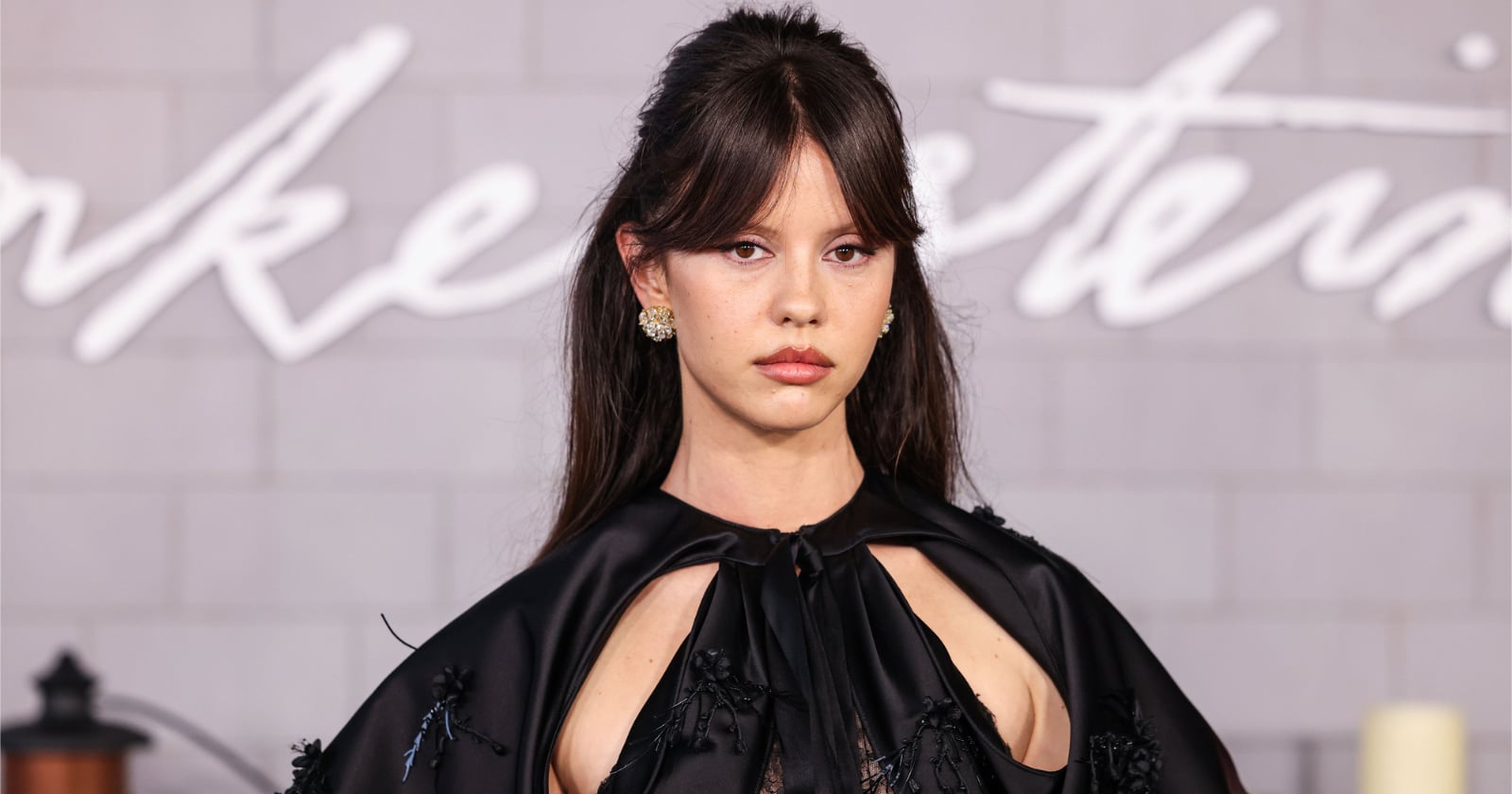
Mia Goth's AI-generated image, featuring a t-shirt that reads "MY EX IS MY BIGGEST FAN", is not just a celebrity grievance. It is a flashing warning sign for every person who posts a face, a body, or a likeness online. Goth has publicly called out Instagram for allowing the fake image to circulate and go viral, and our take is blunt: the platform should have stopped this before it started. That it did not reveals a gap in accountability that should concern every user, not just the famous ones.
The incident arrives at a peculiar moment for Instagram. Meta has been busy testing a full-screen vertical video overhaul, reportedly pushing the app toward a more immersive, curated feed, a shift we examined in Step Into the Feed: Meta Puts Vertical Video at the Forefront. Simultaneously, the platform rolled out Edits, a tool for building custom carousels, which we covered in Curating Visual Stories: Instagram Edits Unveils Custom Carousels. These updates promise more control for creators, more beauty in the feed, more artistry in the scroll. But this promise sits uncomfortably beside the platform's failure to police a degrading synthetic image of a real person. What is the point of a curated visual story if the platform hosting it cannot distinguish between a creative edit and a harmful fabrication?
For our readers, people who move between fitness, fashion, and the fine line between authentic and aspirational, the practical takeaway is stark. An AI can now put words in your mouth, a shirt on your body, a narrative on your life, and the platform may not stop it until the damage is done. The viral nature of Goth's image is a feature of the system, not a bug: engagement is rewarded; truth is not always verified. We are not arguing that every post must be pre-screened, that would crush creativity, but when an image is flagged or reported, a default "let it ride" stance is no longer acceptable. If Instagram wants to be a place where artistry and authenticity thrive, it must treat consent as a non-negotiable part of the process.
One detail to watch: Goth's t-shirt referenced her ex-husband, Shia LaBeouf, a man with whom she recently filed for divorce. The AI did not target a stranger. It weaponized personal history. The next such image could target anyone, a coworker, an ex-partner, a client in a wellness brand's campaign. If platforms continue to treat deepfakes as a moderation problem rather than a rights violation, the consequence is clear: your likeness becomes raw material for someone else's story. Authenticity, our audience's most guarded asset, will require active defense, not passive hope.