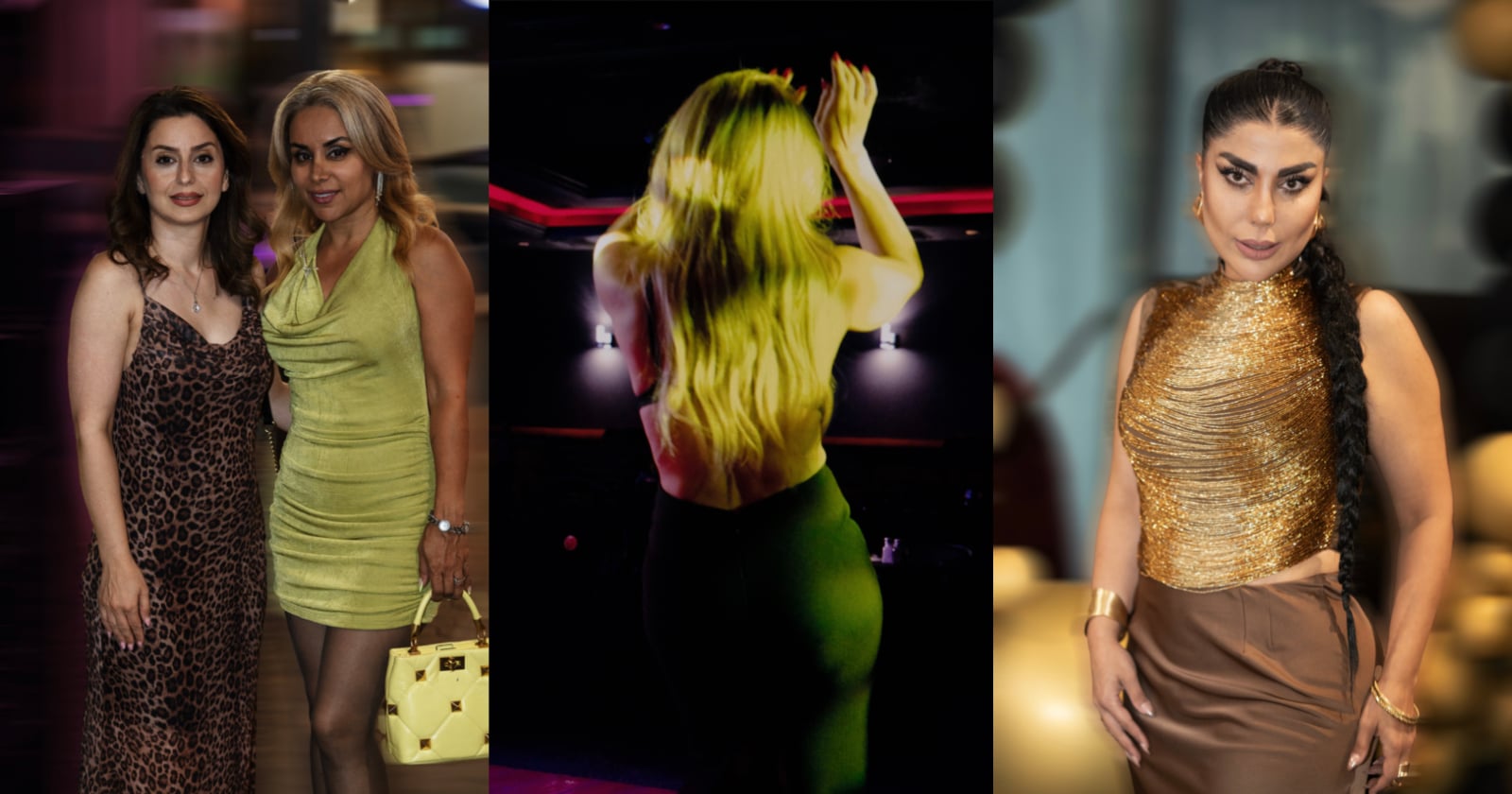
The quiet power of a single gesture is often the loudest statement of all. When an Iranian photographer turns her lens to the women who dance, she is not just documenting movement; she is capturing a living archive of defiance. In a space where public expression is policed, the act of dancing becomes a private language of freedom, a physical manifesto written in rhythm rather than words. This is not about performance for an audience; it is about reclaiming a body that the state claims to own. For our readers who understand that creativity is a lifeline, this story resonates on a deeply familiar frequency. It mirrors the ethos behind Collaborate & Create: Boudoir Sessions Offered Across Florida's Coast, where the camera becomes a tool for self-possession, and Cultivating Connection: Creating Comfortable Portrait Experiences, where the art lies not in the pose, but in the trust that allows a person to simply exist as they are.
The editorial instinct here is to frame this as a purely political story, but that would be a disservice to the artistry involved. The photographer's work is a reminder that resistance is rarely a direct confrontation; it is often a subtle reclamation of aesthetics. It is the sway of the hips in a dusty courtyard, the confident toss of hair in a dimly lit living room, the deliberate choice of a leopard print dress that screams individuality in a world of uniformity. This is where the aspirational meets the authentic. We are not looking at victims; we are looking at victors who have chosen joy as their weapon. The parallel with our own world of visual storytelling is striking. When we curate a portfolio or direct a subject to feel at ease, we are engaging in a similar act of translation, turning vulnerability into strength. The lens does not judge; it witnesses. And in that witness, there is a quiet rebellion against the ordinary, the generic, and the expected.
What does this mean for you, our reader, who might be a photographer, a dancer, or simply someone who appreciates the poetry of a well-composed frame? It means looking at your own creative practice with fresh eyes. It challenges the notion that art must be loud to be heard. The most compelling narratives are often the ones whispered in the space between two heartbeats. This story asks us to consider the weight of our own choices, however small they may seem. A portrait session is not just about lighting and angles; it is about affirming someone's existence. Just as the women in these photographs are using their bodies to tell a story that is theirs alone, you are using your lens to shape a narrative. It is a form of collaboration that transcends the frame, a dialogue between the subject and the world. The photographer in Tehran and the photographer in West Palm Beach are, in a profound way, engaged in the same conversation about autonomy and expression.
Our take is simple: do not look away. Let this be a lesson in the power of the everyday. While we may not all face such stark choices, we all have a responsibility to notice the small acts of courage around us. The specific detail to watch is how the photographer's personal history informs the composition, how the weight of memory shapes the lightness of a step. It is in that intersection, where the personal becomes political and the artistic becomes essential, that we find the true value of this work. For our readers, the takeaway is a call to action: treat every creative endeavor as an act of authenticity. Whether you are picking up a camera or stepping in front of one, remember that you are participating in a long tradition of resistance through beauty. The dance is not over when the music stops; it lives on in the image, a permanent echo of a moment when a woman chose to move.