Movie About Gerda Taro, The Photojournalist Behind Robert Capa, Gets World Premiere
Our take
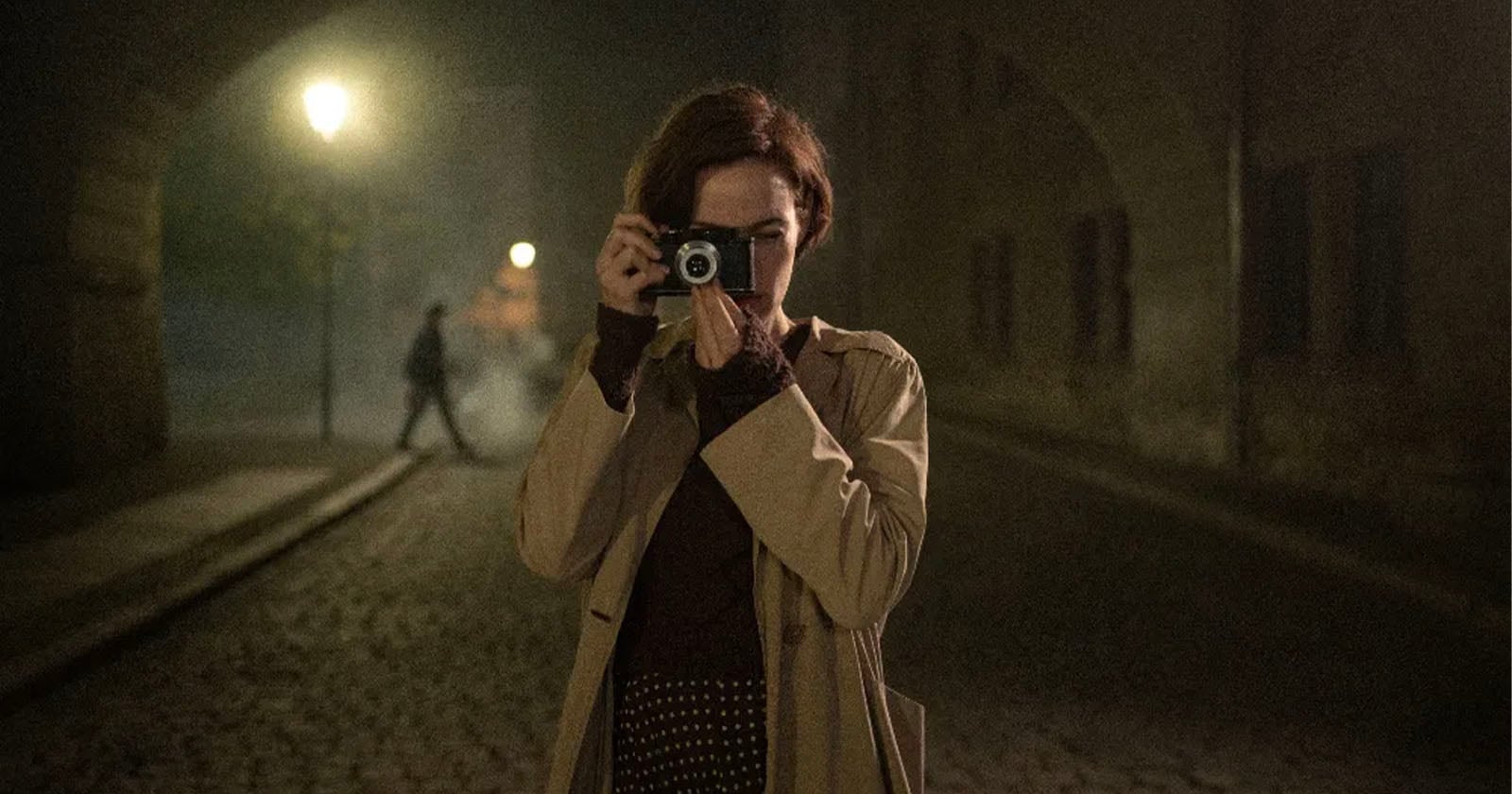
The world of photojournalism, and particularly the history often overshadowed by its male counterparts, has gained a vital spotlight with the world premiere of a feature film about Gerda Taro at the Venice Film Festival. Taro, alongside Robert Capa, formed a legendary partnership, but her story – tragically cut short when she was killed while covering the Spanish Civil War, making her the first female photojournalist to die in action – has long deserved this level of recognition. It’s particularly resonant given the ongoing conversations surrounding representation and equity within visual storytelling, and the persistent need to amplify the voices and legacies of women who paved the way. The film’s debut arrives at a time when discussions about the ethical considerations of war photography are also heightened, prompting a deeper reflection on the risks and sacrifices inherent in documenting conflict. For those interested in the broader conversation around photographic practices, particularly those prioritizing a raw, unfiltered aesthetic, exploring discussions like Feedback on recent Digitals (SOOC)? can offer interesting parallels in approach and artistic intent. Similarly, understanding the equipment and workflows of working photographers, as highlighted in The Best Fujifilm Travel Photography Kit Used By a Real Photographer, can provide a glimpse into the practical realities faced by those documenting the world, and the technologies they rely on.
The significance of this film extends beyond simply correcting a historical oversight. Taro’s work was groundbreaking, not just for her gender, but for the quality and immediacy of her images. She and Capa pioneered techniques of mobile reportage, bringing the realities of war directly to audiences in a way that had never been seen before. The film promises to delve into the complexities of their relationship, both professional and personal, and the pressures they faced as they navigated a dangerous and male-dominated field. It’s a chance to examine the evolving role of the photojournalist, the challenges of bearing witness to human suffering, and the enduring power of images to shape public opinion. Moreover, the film's timing is noteworthy, occurring amidst a renewed focus on the vulnerabilities of visual storytellers, as evidenced by incidents like Real Estate Photographer’s Drone Blasted Out of the Sky, highlighting the tangible dangers photographers face, even in seemingly less volatile environments. This underscores the bravery of those who venture into conflict zones.
The film’s reception at Venice will undoubtedly influence its wider distribution and impact. A strong response could inspire further exploration of overlooked figures in photographic history, particularly women and those from marginalized communities. It also presents an opportunity to re-evaluate the narratives we construct around war and conflict, ensuring that the voices and experiences of those directly affected – and those who risk their lives to document them – are not lost to time. The artistry of Taro’s work, and the meticulous curation of her photographic legacy, mirrors the values we champion: a dedication to authenticity, a vibrant engagement with the world, and an aspirational vision of how photography can illuminate the human condition. The film’s focus on a woman operating within a traditionally male sphere also speaks to a broader cultural shift, a desire to acknowledge and celebrate the contributions of women across all fields.
Ultimately, the premiere of this film raises a compelling question: how can we better ensure that the stories of those who risked everything to capture the truth are not only remembered but also serve as a catalyst for a more equitable and nuanced understanding of history? Will this film spark a broader re-evaluation of the photographic canon, prompting us to seek out and amplify the voices that have been historically silenced? It’s a question worth watching, and one that holds significant implications for the future of visual storytelling and our collective understanding of the world.
A feature film about Gerda Taro, the first female photojournalist to be killed while covering war, was given its world premiere at Venice Film Festival this week.
Read on the original site
Open the publisher's page for the full experience