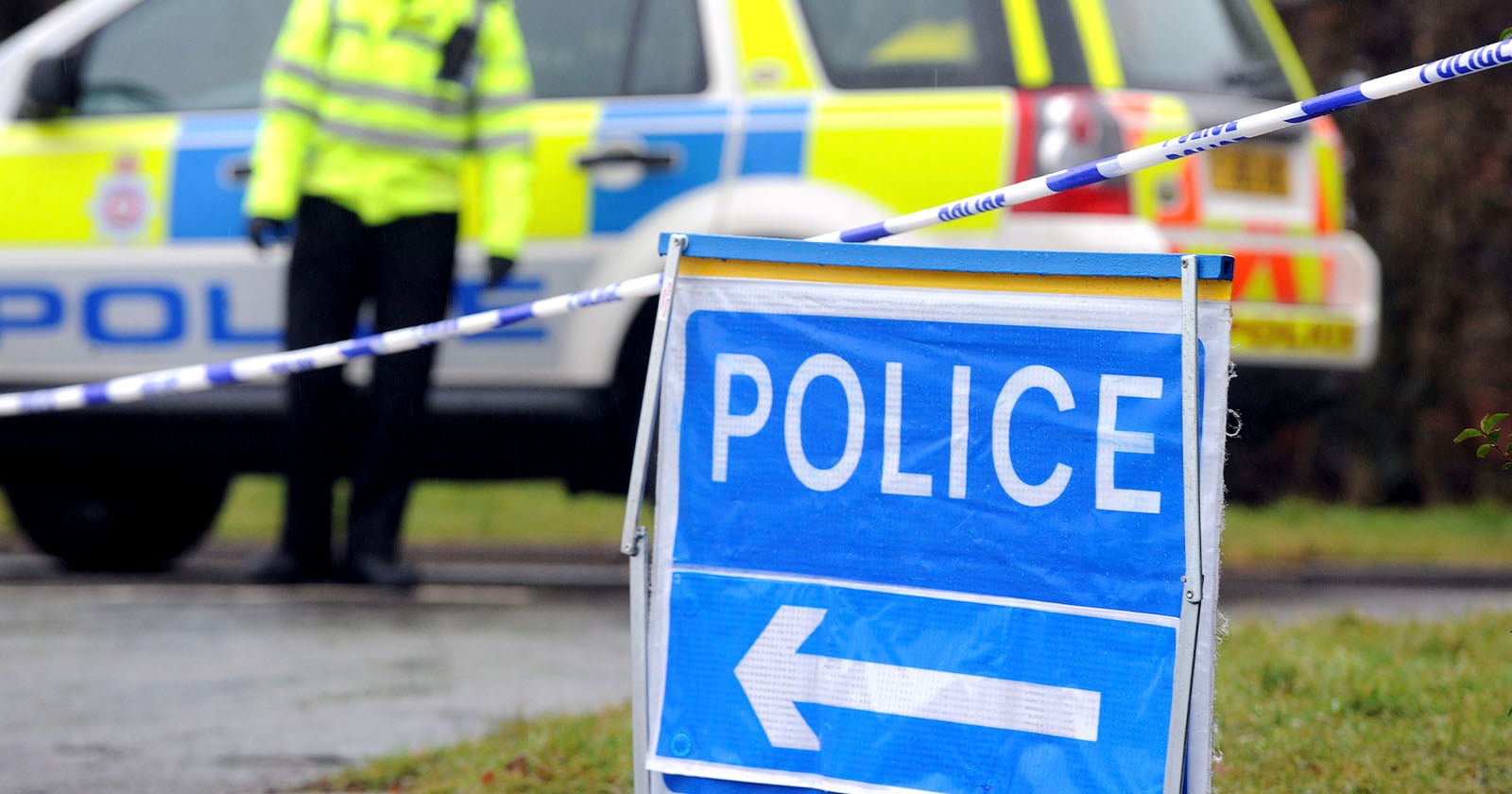
There is a particular kind of quiet magic in watching a camera club arrange still-life on a London park's grass, oblivious to the legal tightrope they are not even aware they are walking. The recent piece on the UK's street photography laws captures that moment perfectly, recalling a student's innocent observation that soon unravels into a labyrinth of outdated statutes and modern misunderstandings. We are not lawyers here, and that is precisely the point. The law, as it stands, is a patchwork quilt sewn by a society that has not decided whether the public street is a stage, a studio, or a private living room. For the working photographer, this is not an abstract debate; it is the difference between a confident shutter press and a hesitant glance over the shoulder.
What strikes us is the gap between perception and reality. The UK does not seem to know its own street photography laws, a confusion that breeds a culture of caution that is poison to authentic visual storytelling. We see this tension echoed in the broader photographic community, where the pursuit of a single perfect frame often feels like navigating a legal minefield. Compare this to the pure, uncomplicated joy of Capturing Cosmic Beauty: An Astrophotography Journey with Nikon, where the subject is a nebula, not a person, and the only permission you need is from the weather. Or consider the communal celebration of Experience Photography's Artistry: The 5 Boro Foto Fest Returns, where the streets become a gallery and the public is an eager participant, not a legal obstacle. The contrast is telling: we celebrate the art form in festivals while simultaneously strangling its most spontaneous expressions in daily practice.
Our honest take is that this uncertainty is a choice, not a necessity. The law may be grey, but the photographer's intent is often clear, and that intent should be the guiding star. We would tell any reader who asks that the practical workaround is not paranoia, but preparation. Know the difference between a public thoroughfare and a private space, understand the nuance of "expectation of privacy," and, above all, engage with your subjects. A smile and a nod from behind the lens can dissolve more tension than any legal brief. The real issue is that the current ambiguity punishes the curious amateur while doing little to protect the truly invasive. It is a lazy way to legislate, and it leaves the art form vulnerable to the whims of a single over-zealous security guard or a misinformed bystander who has watched one too many true-crime documentaries.
As we look ahead, the question is not whether the law will change, but whether the culture will. We are watching a generation of photographers who are more connected, more aware, and more willing to push boundaries, yet they are armed with cameras that are increasingly seen as weapons of surveillance rather than tools of expression. The specific detail we are watching is the next court case or the next viral video of a photographer being challenged for doing nothing wrong. That moment will be the catalyst, forcing the conversation into the open. Until then, we advise our readers to shoot first, ask questions later, but always be prepared to have a kind, articulate conversation about why you are doing it. That is the only real law that matters.