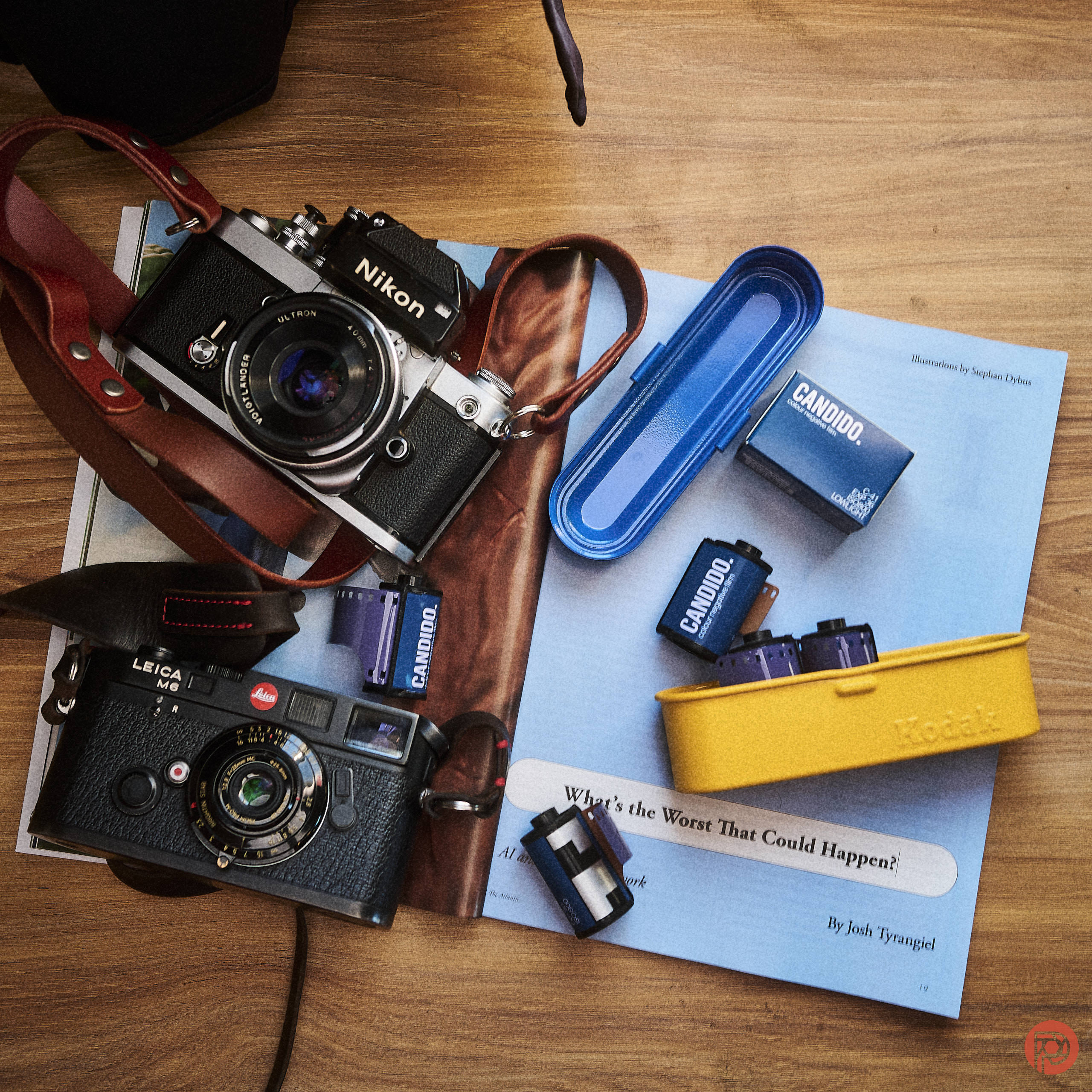
There is a quiet poetry in a used camera. It arrives with scuffs that tell stories, a shutter count that whispers of weddings and wanderings, and a price tag that feels like a small act of rebellion against the relentless march of newness. For two decades, the hunt has been a ritual, a mix of trust and suspicion. So when we read about the recent surge of interest in outlets like KEH and MPB, and the inevitable question of honesty that surfaces on forums like Reddit, we feel a familiar tug. The market is hot, yes, but heat can blur judgment. The real question is not whether these platforms are scams, but whether they are curating their inventory with the same care they apply to their marketing budgets. Ads can be beautiful; a shutter mechanism is either sound or it is not.
Our take is simple: treat every listing like a first draft, not a final print. The author's twenty years of buying used gear is not just a credential; it is a testament to the fact that experience is the only real filter. We have seen the glossy product shots of a camera body that looks pristine, only to discover the sensor is a constellation of dust and the grip is slick with the sweat of a thousand studio sessions. The practical move is not to avoid these large retailers, but to approach them with the same discerning eye you would bring to a gallery opening. Look for the fine print on their grading systems. Ask about their return policies as if they were a lease agreement. The best places to buy used gear are not necessarily the ones with the loudest ads, but the ones that can tell you exactly what is wrong with a piece before you even ask. That is the authentic deal.
For our readers, the creative collaborators and health-conscious enthusiasts who value both form and function, this is not a warning against the hunt. It is an invitation to become a more engaged collector. We would tell you to use the big names as a starting point, not a conclusion. Cross-reference the Reddit threads, read the long-form forum posts from hobbyists who have been burned and have lived to tell the tale. The true value here is in the community's shared memory. When you ask, "Is this a scam?" you are really asking, "Has anyone else walked this path before me?" The answer is almost always yes, and their insights are worth more than any sponsored review. We would also say this: never buy a camera that you have not held, or at least seen in a detailed, unglamorous video. A photograph of a camera is a promise; a video is a witness.
The concrete point to watch is the return policy. In this hot market, a generous return window is not a luxury; it is the only honest insurance. The moment a retailer makes it difficult to send a body back, they are telling you everything you need to know about their confidence in their own inventory. As you scroll through the listings, let the curator in you take over. Ask not if the deal is good, but if the story it tells is one you want to continue. The right used camera is out there, waiting for you to give it a second life. And when you find it, the scuffs will not be flaws; they will be proof that you, too, are a part of the journey.