Need a Good Laugh? Watch the $100K Winner of Elon Musk’s AI ‘Odyssey’ Contest
Our take
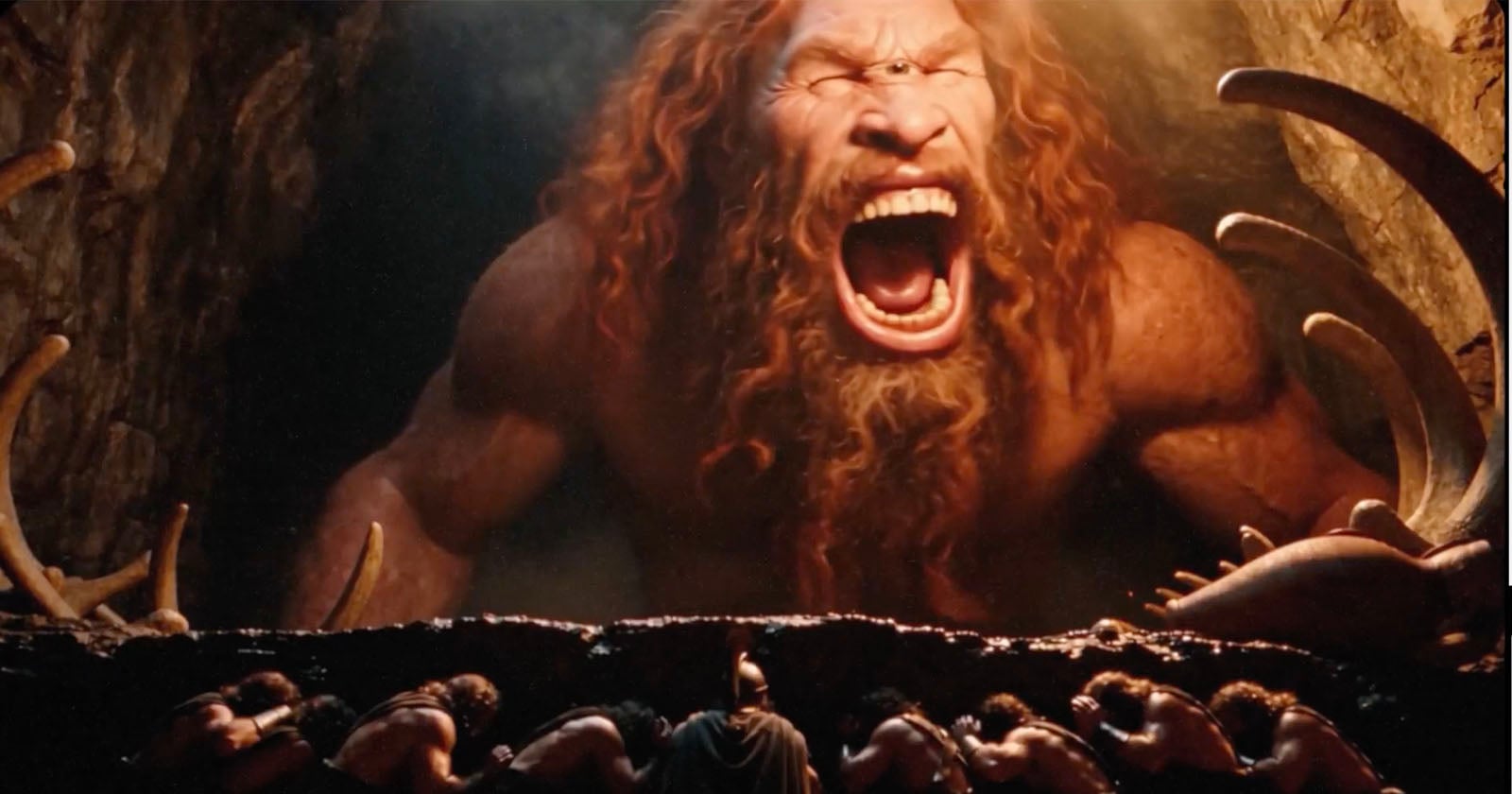
The recent announcement of the winner of Elon Musk’s $100,000 AI ‘Odyssey’ contest, a reimagining of Homer’s epic poem, is more than just a quirky display of technological prowess; it’s a fascinating, and perhaps unsettling, commentary on artistic interpretation, the evolving role of AI, and the very nature of creative authority. The fact that the contest arose from Musk’s public dissatisfaction with Christopher Nolan's cinematic adaptation adds a layer of intriguing meta-narrative. Nolan’s *Odyssey*, celebrated for its innovative time-bending structure and visual spectacle, has undeniably resonated with audiences, but Musk’s rejection of it highlights a fundamental tension between fidelity to the source material and artistic license. This echoes debates surrounding adaptations across various mediums, and now, with AI entering the creative space, the stakes are amplified. We’ve previously explored how AI is already impacting creative workflows, as seen with apps like [This AI-Powered App Tells People How to Pose], demonstrating the increasing integration of algorithms into everyday creative processes. The Odyssey contest, however, represents a leap beyond simple assistance, suggesting a potential for AI to independently generate entire artistic works.
The winning entry, described as a visually striking depiction of a cyclops confronting warriors, underscores the potential – and the inherent challenges – of AI-driven storytelling. While the image itself is compelling, the contest’s very premise raises questions about what constitutes “good” storytelling. Musk’s established preference clearly shapes the parameters of success, but does this effectively validate the AI's creative merit or merely reflect a singular, potentially biased, aesthetic? The debate touches upon broader concerns regarding algorithmic bias and the limitations of AI in replicating the nuances of human creativity – the emotional depth, thematic complexity, and subtle symbolism that elevate a work from mere spectacle to profound artistic expression. Consider, for example, the recent advancements in camera technology detailed in [Panasonic Lumix S9 Firmware Empowers the Lens Fn Button], highlighting the precision and control that human photographers strive for; can an AI truly replicate that intentionality? The contest, in essence, becomes a showcase of AI’s ability to mimic style, rather than a genuine exploration of narrative innovation.
The significance of this event extends beyond the realm of classical literature and AI art. It speaks to a broader shift in how we perceive authorship and originality. As AI becomes increasingly capable of generating content, the lines between human and machine creativity blur, forcing us to re-evaluate our definitions of art and artistic value. The Mars exploration efforts of the Curiosity Rover, documented in [‘Footprints’ Photographed on the Surface of Mars by Curiosity Rover], also exemplify the use of AI in analyzing vast datasets and identifying patterns, showcasing its potential in fields far removed from artistic creation. Yet, both endeavors share a common thread: the quest for discovery and the potential for unexpected revelations, whether uncovering ancient narratives or exploring new worlds. The Odyssey contest suggests that AI might not replace human artists, but it will undoubtedly become a powerful tool, capable of generating novel perspectives and challenging our preconceived notions of what art can be.
Ultimately, the success of Elon Musk’s AI Odyssey contest isn’t about the quality of the winning image, but about the implications of its existence. It’s a glimpse into a future where AI plays an increasingly prominent role in the creative process, forcing us to confront complex questions about artistic ownership, algorithmic bias, and the very essence of human expression. The question isn’t whether AI can create "good" art, but rather, what kind of art will it create, and how will its presence reshape our understanding of creativity itself? Will we see a proliferation of AI-generated narratives tailored to specific preferences, or will AI serve as a catalyst for entirely new forms of artistic expression that we cannot yet imagine?
Despite its enormous and ongoing success at the box office, as well as being lauded for its innovative filmmaking, the world's richest man, Elon Musk, has repeatedly made it known that he does not like Christopher Nolan's version of The Odyssey.
Read on the original site
Open the publisher's page for the full experience