Nikon is Developing Nine Cinema Lenses That Cover Larger Than Full-Frame
Our take
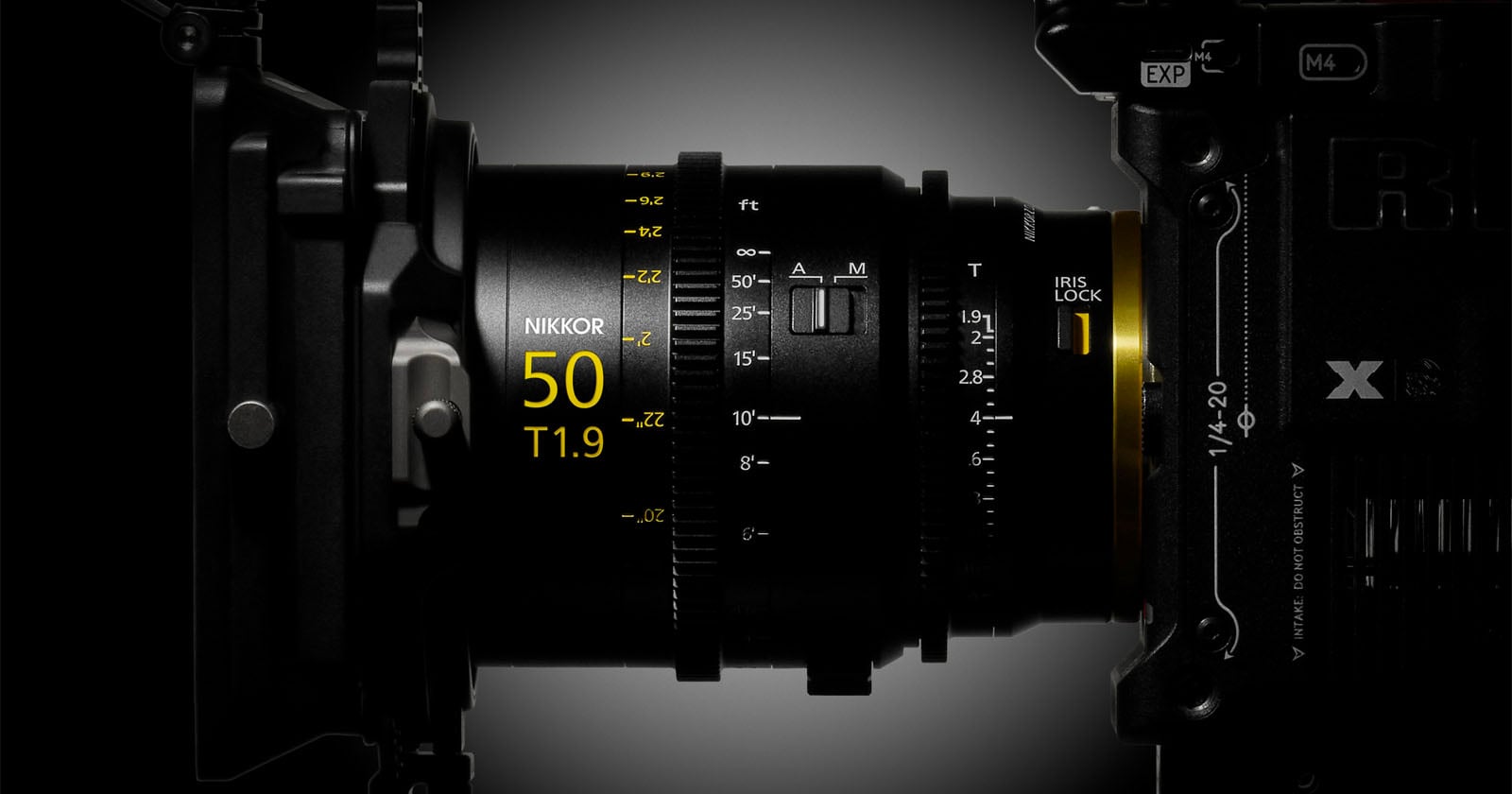
Nikon’s announcement of nine Nikkor Z Cinema T1.9 lenses designed to cover sensors larger than full-frame is a significant development, signaling a renewed commitment to the cinema market and a fascinating evolution of their Z-mount system. For our audience—creative collaborators and discerning enthusiasts who appreciate both artistic expression and technical innovation—this news represents more than just a new line of lenses; it’s a validation of the growing demand for high-quality, adaptable cinema tools within a rapidly evolving landscape. The move directly addresses the rising popularity of cameras with larger sensors, like the V-Raptor X VV, allowing filmmakers to capture a wider field of view and shallower depth of field, hallmarks of a cinematic look. This aligns with broader trends in the industry, where filmmakers are increasingly seeking flexibility and high performance from their equipment, often blurring the lines between traditional cinema and mirrorless workflows. Consider the recent advancements in computational photography and the increasing accessibility of high-resolution cinema cameras—it’s clear the bar for image quality is constantly being raised, and Nikon’s investment here demonstrates their intention to remain a key player. We recently explored The Rise of Hybrid Cinema Workflows and this announcement feels like a direct response to that trend, providing filmmakers with a more integrated solution.
The strategic importance of this development cannot be overstated. Nikon, while historically a powerhouse in still photography, has been steadily expanding its presence in the cinema sector. The Z-mount system, introduced with the Z series cameras, was always designed with cinema applications in mind, offering a wider flange distance than traditional DSLR mounts, which facilitates the use of larger elements and more complex optical designs. These new lenses further solidify that commitment. The T1.9 aperture, while not the absolute fastest available, strikes a balance between brightness, depth of field control, and manageable size and cost. It’s a practical choice for a wide range of shooting scenarios. Furthermore, the “T1.9” designation itself is a nod to established cinema lens standards, instantly communicating the lenses’ intended purpose to professionals. This isn't a casual foray; it’s a deliberate and thoughtful expansion into a demanding market, and it positions Nikon to capitalize on the growing demand for versatile, high-performance cinema lenses. Related to this, our piece on Understanding Cinema Lens Terminology helps unpack the significance of these choices for filmmakers.
Beyond the technical specifications, Nikon’s move underscores a broader shift in the industry. The traditional separation between still photography and cinema equipment is diminishing, with many filmmakers opting for hybrid setups that combine the portability of mirrorless cameras with the image quality and control of cinema lenses. Nikon’s decision to develop lenses specifically designed for larger sensors demonstrates an understanding of this evolving workflow. It’s not just about providing lenses for existing cameras; it’s about anticipating the future of filmmaking. The nine-lens lineup suggests a comprehensive approach, potentially covering a range of focal lengths to meet diverse production needs. This level of commitment signals a long-term strategy, and it’s likely we’ll see further integration of cinema-focused features and technologies within Nikon’s ecosystem. The aesthetic considerations are also paramount; Nikkor lenses have a long-standing reputation for producing beautiful, organic images, and the expectation will be that these cinema lenses maintain that signature look while delivering the technical performance required by professionals.
Looking ahead, the success of these lenses will depend on a number of factors, including pricing, availability, and integration with existing cinema workflows. However, the initial announcement is undeniably positive for Nikon and for filmmakers seeking high-quality, adaptable cinema tools. Will Nikon continue to expand its cinema offerings beyond lenses, perhaps with dedicated cinema cameras or more advanced firmware features? The development of these lenses certainly lays the groundwork for a more robust cinema presence, and we'll be closely watching to see how Nikon leverages this momentum. Exploring the Future of Sensor Technology provides further context on why these larger sensors are driving this demand and the potential for even greater innovation in the years to come.
Nikon has revealed that it is currently developing nine Nikkor Z Cinema T1.9 cinema lenses that are specifically designed for its Z-mount cameras, including the V-Raptor X VV, which has a sensor larger than full-frame.
Read on the original site
Open the publisher's page for the full experience