Nikon Loses its Patent Lawsuit Against Viltrox
Our take
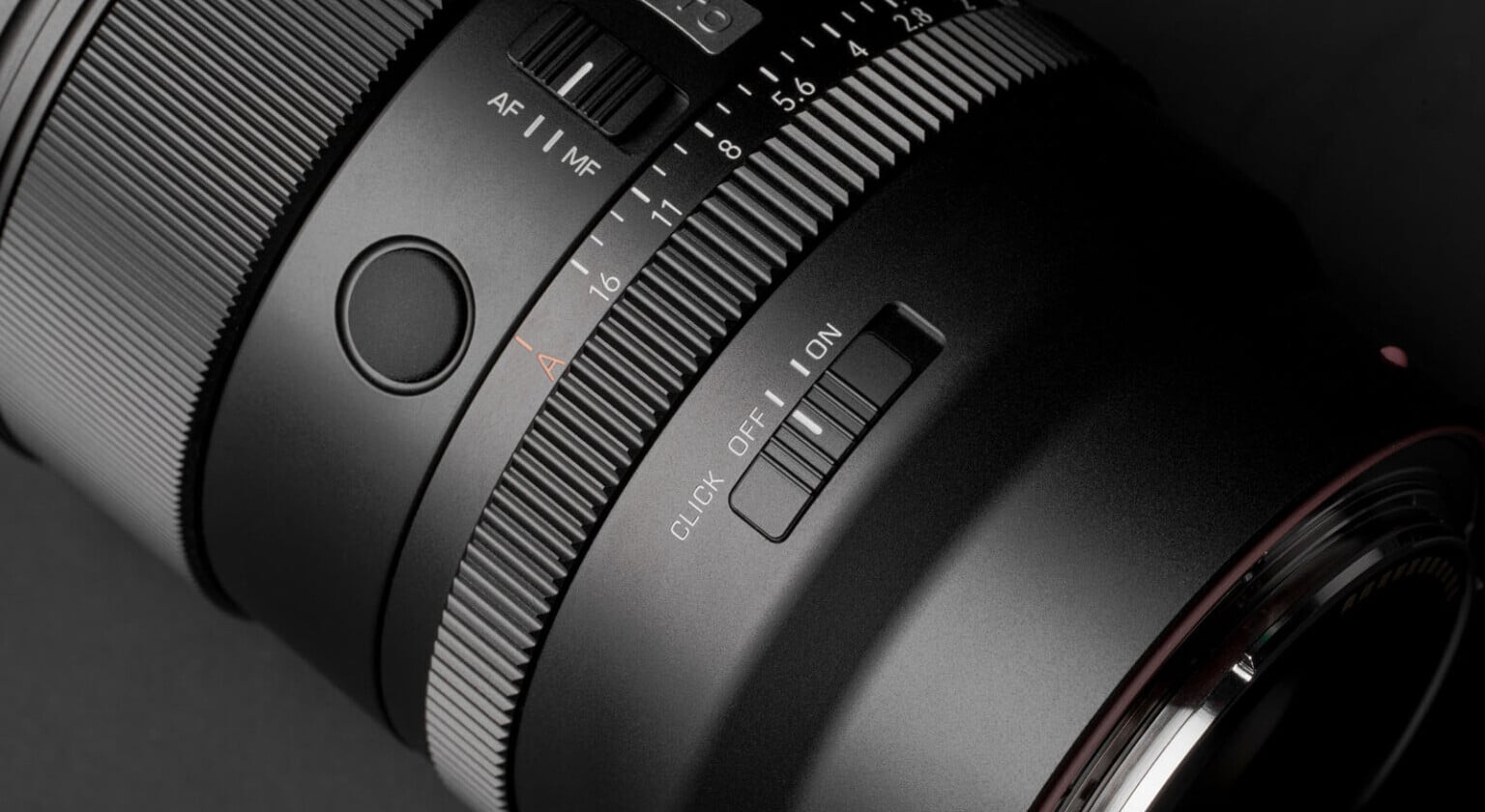
The recent news that Nikon has lost its patent lawsuit against Viltrox in China sends ripples through the photography world, particularly for those invested in mirrorless systems and third-party lens options. Nikon’s legal action, initiated earlier this year, centered around allegations of intellectual property infringement concerning their Z-mount technology – a crucial element for compatibility between camera bodies and lenses. This outcome, while perhaps unexpected by some, underscores the increasingly complex landscape of patent protection and innovation within the industry. It also echoes concerns around restrictive practices, a topic recently highlighted by Tinder’s pause of an AI photo editing tool after user discomfort [Tinder Pauses AI Photo Editing Tool After Woman Creeped Out By It], demonstrating the delicate balance between technological advancement and user experience. The broader conversation about accessibility and affordability in photography is further highlighted when considering how readily available and competitively priced Viltrox lenses have become.
The implications of this ruling extend beyond a simple victory for Viltrox. Nikon's Z-mount, while offering excellent optical performance, has faced criticism regarding its relatively closed ecosystem, limiting third-party lens options compared to, say, Sony's E-mount. This lawsuit was seen by many as an attempt to reinforce that exclusivity and restrict competition. Viltrox, a rising star in the third-party lens market, has consistently delivered lenses at compelling price points, catering to a broader range of photographers and videographers. Their success—and now, this legal victory—validates the demand for accessible alternatives. We've seen how even older camera RAW files can benefit from readily available presets [Even Older Camera RAW Files Look Good With Our Presets], proving the power of accessible tools and workflows. The decision in this case could encourage other manufacturers to challenge existing patents and foster a more open and competitive lens market, benefiting photographers across the board. Such moves can also impact the longevity and usability of older camera systems, as exemplified by the recent debate surrounding "The Last Good Canon DSLR?" [The Last Good Canon DSLR?].
While Nikon undoubtedly possesses legitimate intellectual property rights, the stringent enforcement of those rights can inadvertently stifle innovation and limit consumer choice. The Chinese court’s decision suggests a willingness to scrutinize such claims, potentially setting a precedent for future patent disputes in the region. The complexities of patent law are often opaque to the average consumer, but the underlying principle is clear: a balance must be struck between protecting innovation and fostering a vibrant market. Nikon’s legal strategy, in this instance, appears to have backfired, potentially damaging their reputation among consumers who value affordability and open compatibility. The company now faces the challenge of adapting to a more competitive landscape while maintaining the quality and innovation associated with the Nikon brand.
Looking ahead, this case serves as a cautionary tale for camera manufacturers regarding their patent strategies and the potential repercussions of overly aggressive enforcement. The rise of third-party lens manufacturers like Viltrox demonstrates a clear market demand for alternative options, and restricting access to these options could ultimately harm the industry as a whole. Will other manufacturers be emboldened to challenge existing camera mount patents, potentially leading to a more fragmented, yet ultimately more diverse, lens ecosystem? Or will Nikon reassess its approach to Z-mount licensing and embrace a more collaborative model to foster broader compatibility and innovation? The coming years will be crucial in determining the future of the mirrorless lens market and its impact on photographers worldwide.
In January, Nikon filed a lawsuit in China against lens manufacturer Viltrox, alleging intellectual property infringement related to Nikon's Z-mount technology. Nikon has reportedly lost that lawsuit.
Read on the original site
Open the publisher's page for the full experience