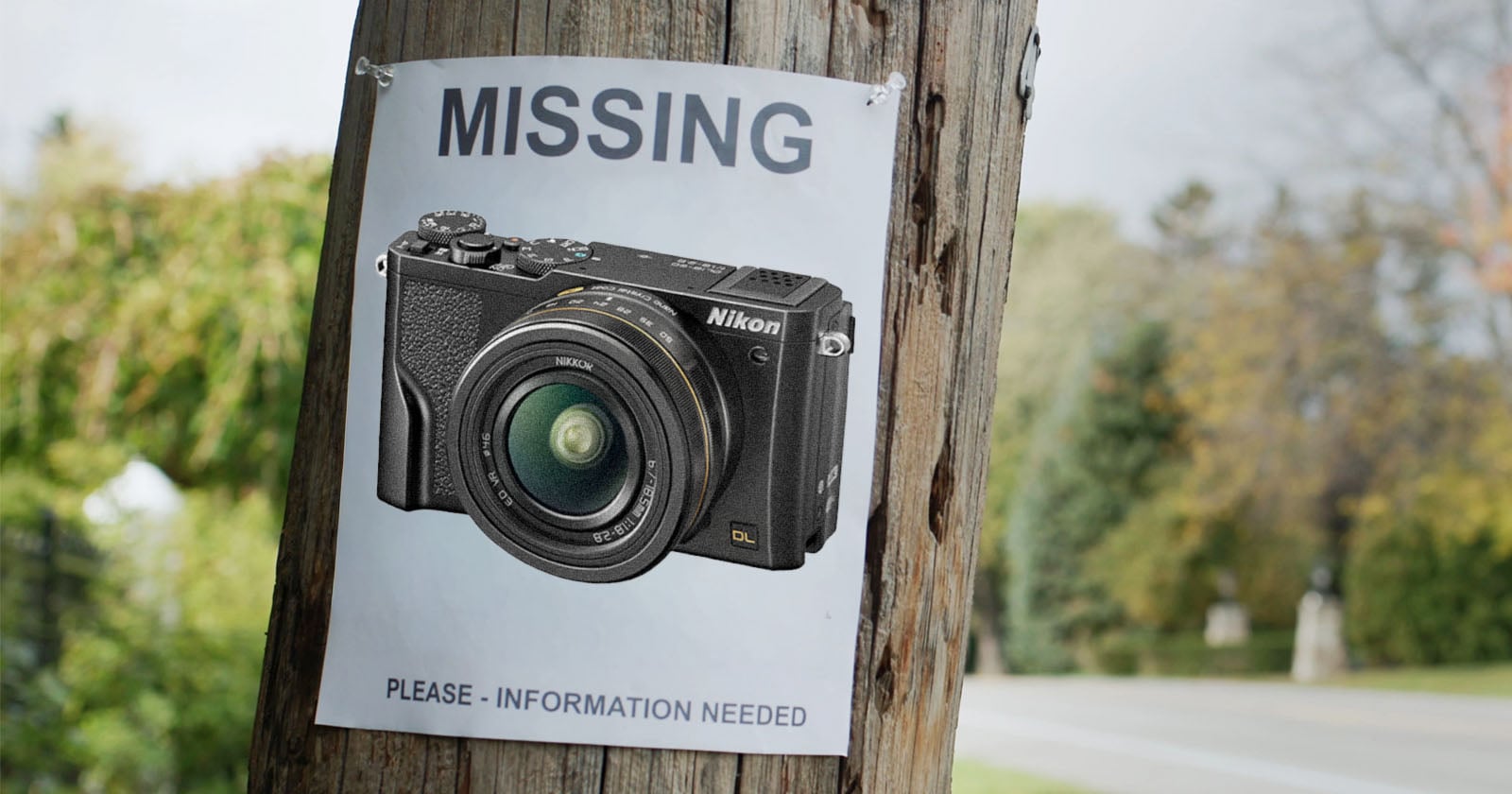
February 2016 feels like a lifetime ago. The camera world was still buzzing with the energy of the DSLR era, and Nikon was riding high on the momentum of its professional lineup. When the company teased the DL Series alongside the formidable D5 and D500, it felt like a promise of something special: premium compacts with Type 1 sensors, designed for enthusiasts who wanted power without the bulk. The announcement was met with genuine excitement. Then, silence. Months passed, and the cameras never shipped. It was a quiet, confusing end to what should have been a defining moment in Nikon's history. It is a story that lingers, not because of what was built, but because of what was abandoned.
This is where our own coverage starts to feel personal. We have always championed the idea that creativity and technology should feel accessible, not intimidating. The DL Series was meant to be exactly that: a bridge between the convenience of a point-and-shoot and the artistic control of a mirrorless system. Its cancellation left a void that competitors were all too happy to fill, but the loss was more than just market share. It was a signal that even the biggest names in the industry can hesitate at the exact moment they need to commit. It reminds us of the recent tension in the lens world, where intellectual property battles like the one between Nikon and Viltrox show how protective and cautious the industry has become, sometimes at the expense of innovation. And while we watch the current landscape, it is hard not to wonder if the DL cameras were a missed opportunity to redefine what a premium compact could be.
For our readers, the practical takeaway is not about mourning a camera that never was. It is about understanding the rhythm of this industry. Great gear is not just about specs on a release sheet; it is about execution and follow-through. When a product is promised and then pulled, it creates a trust gap that no amount of future releases can fully erase. We would tell anyone considering a new camera to look at what is actually available and proven, rather than waiting for the next big thing that might never arrive. At the same time, we would remind them that some of the best creative work comes from working within constraints. Just as astrophotography can turn a simple night sky into a canvas, or a collaborative boudoir session can turn a single location into a story, the tool matters far less than the eye behind it.
The DL Series remains a fascinating footnote, a quiet reminder that the gap between announcement and availability can be the most fragile part of any product's journey. We would watch the next move from Nikon and others with a critical eye, not for the flashy specs, but for the follow-through. The real question is not whether the DL cameras would have been good, but whether the industry has learned that a promise kept is worth more than a thousand press releases. For now, we are left with the image of a poster on a pole, asking for information about a camera that never made it. That image is worth more than any spec sheet.