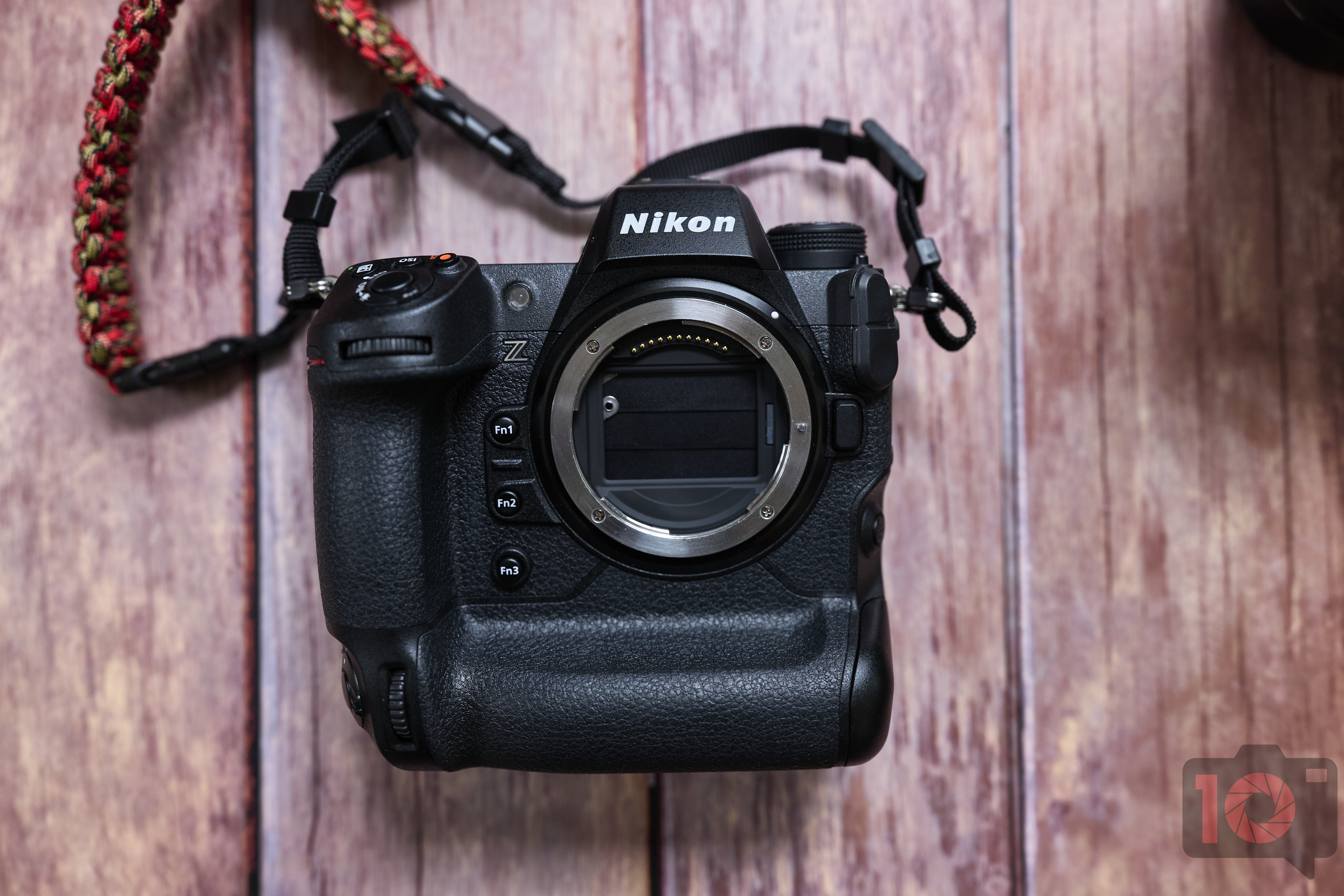
Nikon has a quiet way of making us lean in. The company rarely files patents that feel like love letters to the everyday photographer, so when one surfaces, we pay attention. This new sensor design, one that lets different regions of the sensor expose for different lengths of time, is the kind of idea that sounds simple until you sit with it. It is not about capturing more light or less light. It is about giving the sensor the freedom to think in layers, the way a painter might block in shadows before touching the highlights. For anyone who has ever fought a harsh midday sun or a backlit window, this is the technical whisper we have been waiting to hear.
What excites us most is what this means in practice, not just on paper. Dynamic range has always been the quiet hero of a great image, the invisible hand that lets a landscape hold both a glowing sky and a mossy forest floor. Current sensors force a compromise: expose for the highlights and lose the shadows, or lift the shadows and watch the sky blow out. Nikon's proposed approach would let different zones of the sensor work on their own timelines, then merge them into a single frame. That is not a gimmick. That is a tool that could turn a tricky product shoot or a fast-moving event into something far more forgiving. We would tell any reader asking about this to stop thinking about megapixels for a moment and start thinking about how often they have deleted a keeper because the contrast was just too brutal. This patent is an admission that the scene is not the problem; the sensor's rigidity is.
There is a creative freedom hiding in this technology that goes beyond fixing mistakes. When exposure becomes a regional choice rather than a global compromise, the photographer gets to make deliberate decisions about what matters in the frame. Want to keep the motion blur in a dancer's skirt while freezing her face? That becomes a sensor-level decision, not a post-production miracle. Want to shoot a portrait with a window behind your subject and still hold the texture of their jacket? Done. This is not about making photography easier in a lazy sense; it is about making the camera a more willing collaborator. We would tell our readers to watch for how Nikon handles the merger of those different exposure zones, because the real art is in the transition. If the seams between regions are invisible, this could be the quietest revolution we have seen in years.
The honest question we keep circling is whether this stays a patent or becomes a product. Patents are filed and forgotten all the time, and Nikon is not known for rushing innovation to market. But the fact that they are exploring this at all tells us they see the limits of current sensors as a creative bottleneck, not a technical ceiling. For our readers, the takeaway is simple: pay attention to how your camera handles high-contrast scenes today, because the next generation might not make you choose. And if you are the kind of shooter who loves to chase golden hour light or moody interiors, this is the specific detail to watch for in upcoming release cycles. We would rather see one thoughtful implementation of this idea than a hundred incremental sensor bumps. Give us the ability to expose a scene the way we see it in our minds, and we will handle the rest.